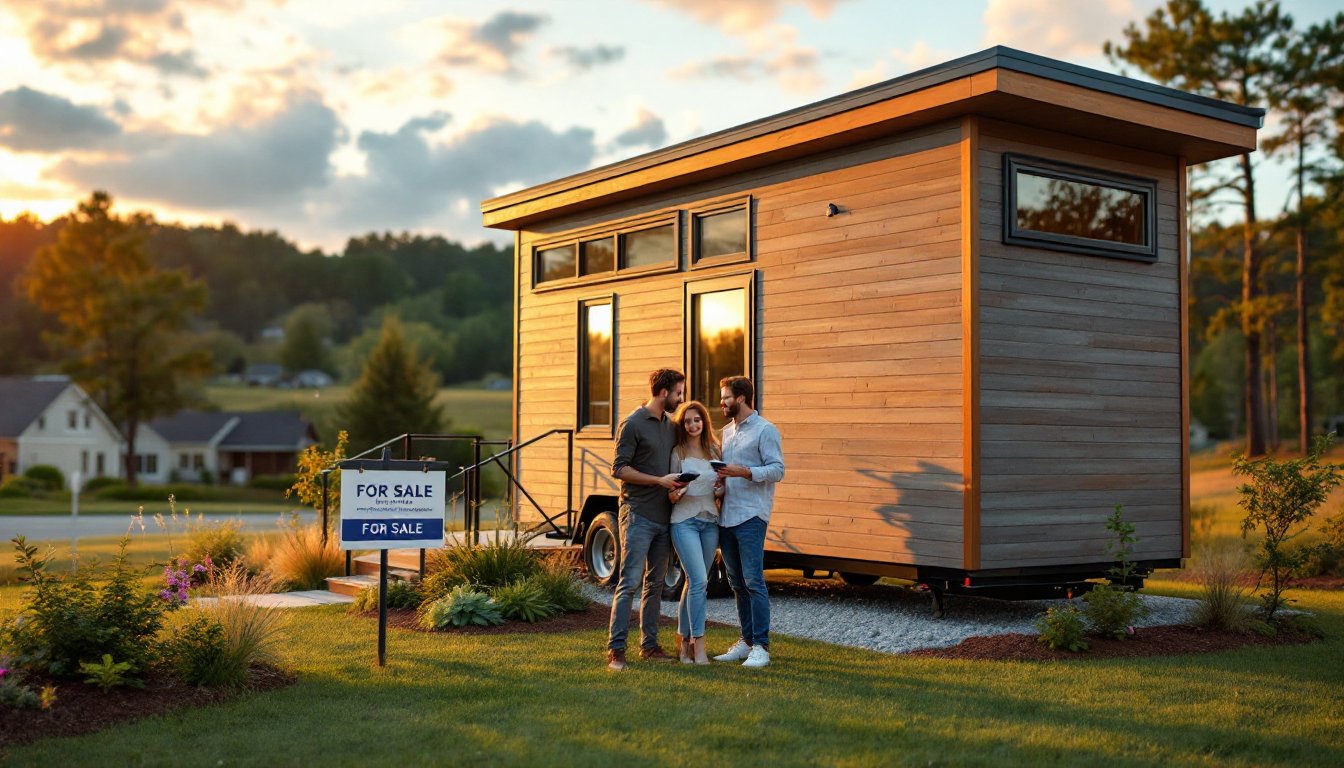
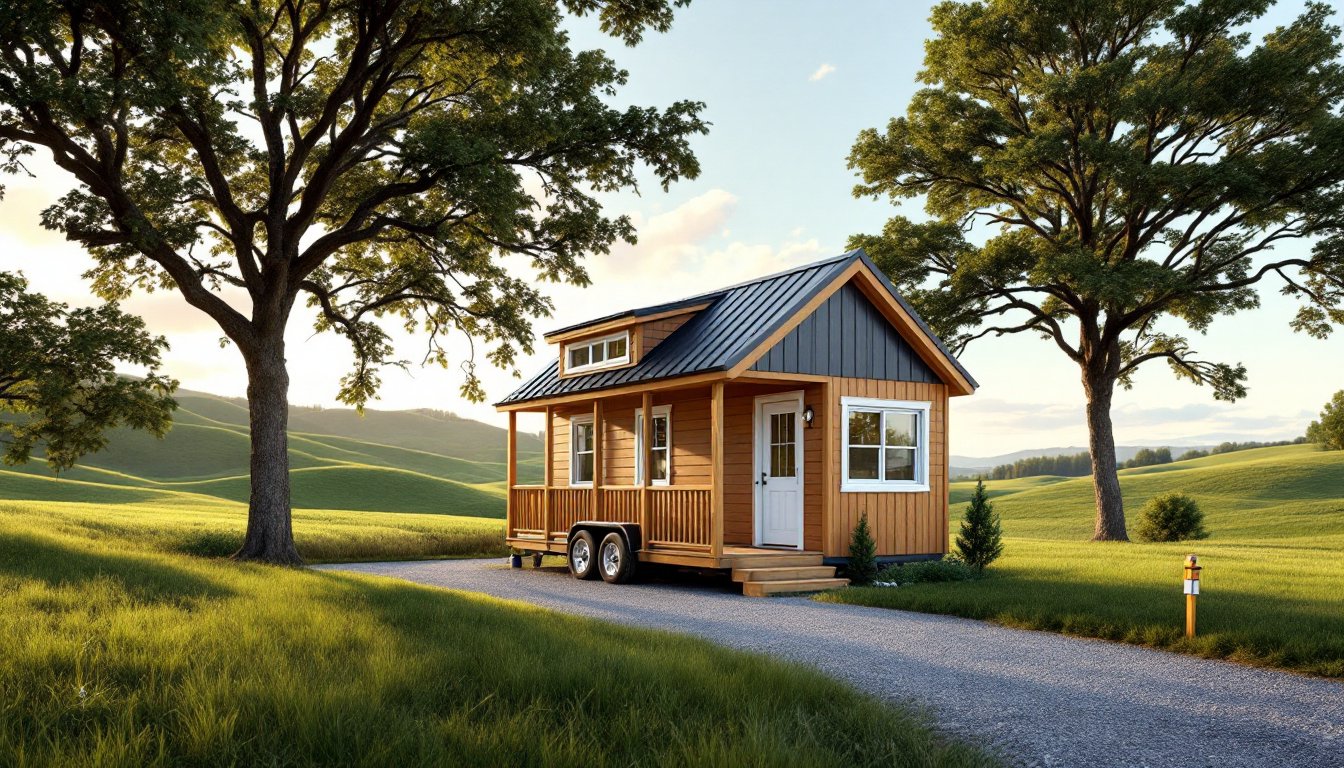
Murfreesboro, Tennessee is quietly becoming one of the South’s most appealing destinations for tiny home buyers. The combination of affordable land, lower-than-average cost of living, and a growing community of people embracing downsizing has created a sweet spot for compact living. Whether you’re a first-time homebuyer looking for an entry point into real estate, a retiree scaling down, or someone seeking lifestyle flexibility, tiny homes for sale in Murfreesboro offer genuine value and opportunity. This guide walks you through what the market looks like right now, how to find the right property, and the practical questions you should ask before making an offer.
Table of Contents
ToggleKey Takeaways
- Tiny homes for sale in Murfreesboro, Tennessee offer an affordable entry into homeownership, with prices ranging from $60,000 to $150,000 and lower cost of living compared to Nashville and other major metros.
- Most tiny homes in Murfreesboro are 300–500 square feet, manufactured units with one bedroom, open-plan layouts, and efficient mechanical systems that require professional inspection before purchase.
- Financing for tiny homes can be more challenging than traditional mortgages—FHA loans, credit unions, and specialized lenders often provide better terms than conventional banks.
- Zoning regulations vary across Murfreesboro neighborhoods; verify that tiny homes are permitted on your desired lot and research deed restrictions or HOA rules before making an offer.
- Resale potential exists but depends heavily on location, condition, land ownership status, and community type—buy with a 3–5 year minimum commitment unless pursuing a strategic investment.
- Test your tolerance for small-space living by visiting existing tiny homes and renting short-term stays before committing, as 350 square feet requires genuine lifestyle intentionality.
Why Murfreesboro Is Becoming a Tiny Home Hotspot
Murfreesboro sits in Rutherford County, about 30 miles southeast of Nashville. The city has experienced steady population growth, thanks partly to Middle Tennessee State University, but hasn’t seen the explosive housing price inflation that’s gripped Nashville proper. That gap makes Murfreesboro attractive to buyers priced out of urban markets.
The local real estate market supports tiny homes for several practical reasons. Land is still reasonably priced compared to Tennessee’s major metros. Property taxes remain moderate, and zoning regulations in many areas permit small dwellings without the restrictions you’d find in some suburban municipalities. Also, the area’s rental market and investment activity suggest long-term stability.
Beyond economics, Murfreesboro has developed a real community around sustainable and intentional living. Local builders, real estate agents, and municipalities increasingly support tiny home development. The city’s walkable downtown, regional parks, and proximity to cultural amenities in Nashville also appeal to tiny home buyers who don’t want to sacrifice quality of life for square footage. You’re not just buying a house: you’re joining a shift toward practical, affordable homeownership.
What to Expect: Typical Tiny Home Features and Price Range
Common Layouts and Square Footage
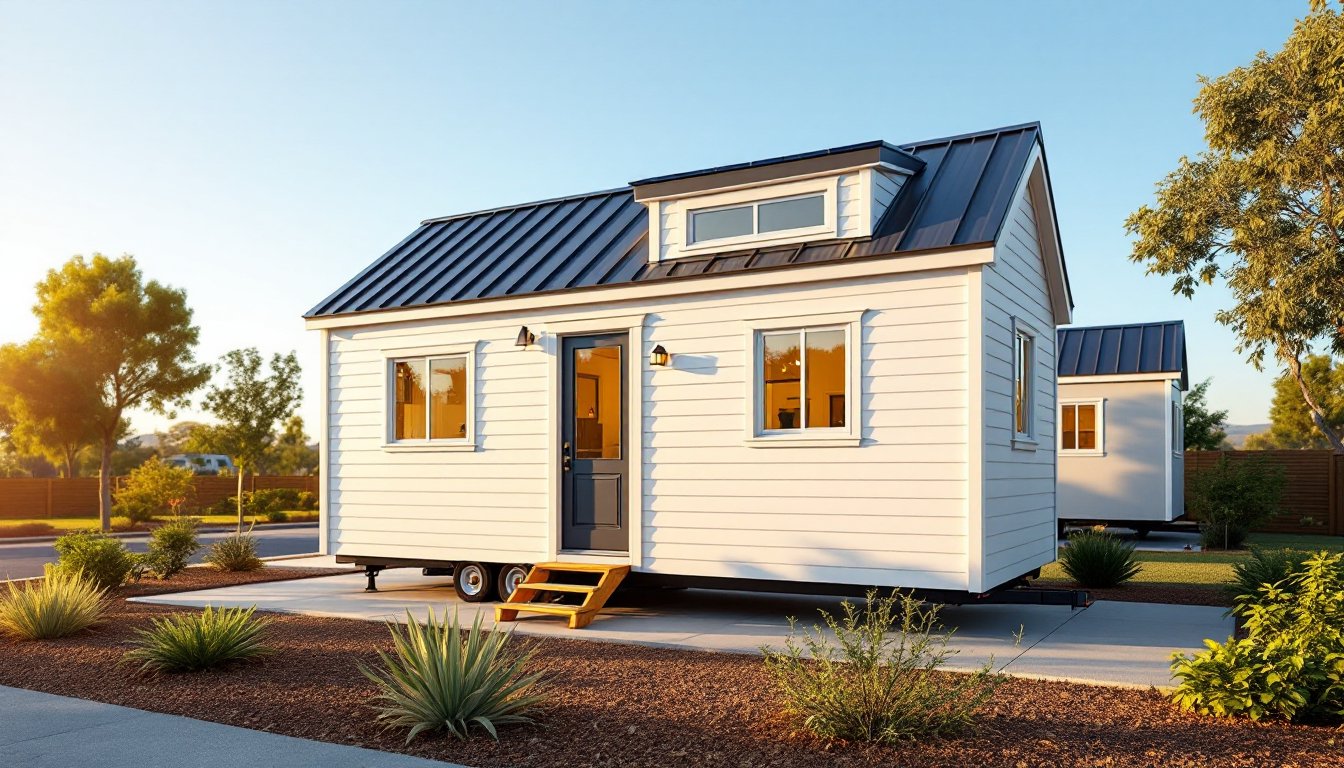
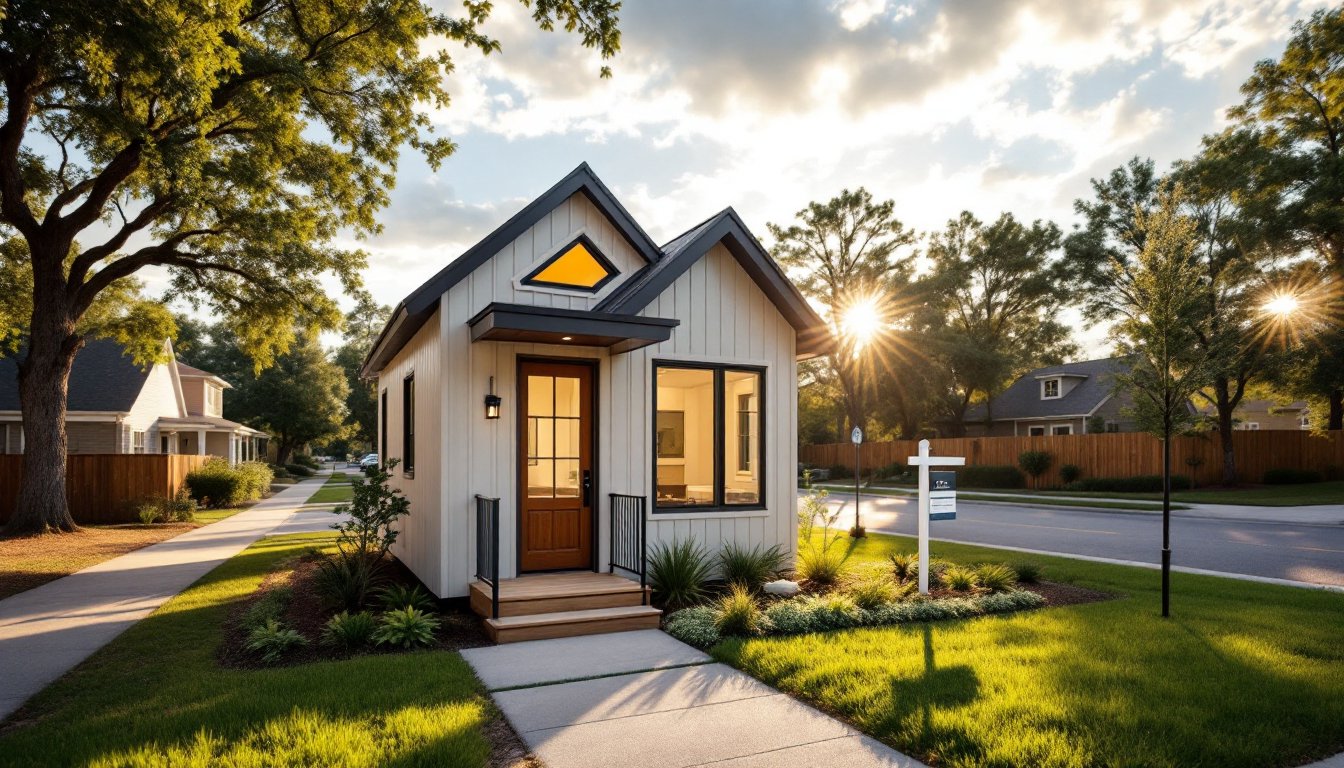
Most tiny homes in Murfreesboro fall between 300 and 500 square feet. Some are even smaller, true “minimum viable housing” under 300 square feet, while a handful push toward 600 square feet and edge into the “small home” category. The typical layout includes one bedroom, one full bathroom, an open-plan living and dining area, and a compact kitchen. Storage is intentional: built-in shelving, lofted sleeping areas, or multipurpose furniture are standard.
Mobile or manufactured tiny homes, those built in a factory and transported to site, dominate the local market. These are built to HUD standards and often feature efficient mechanical systems and thoughtful space planning. Site-built tiny homes (constructed on-site) also exist but are less common and typically cost more. Understanding the difference matters: a mobile home comes with a title and can appreciate like real property if it sits on owned land, while a rental lot arrangement limits your equity and resale options.
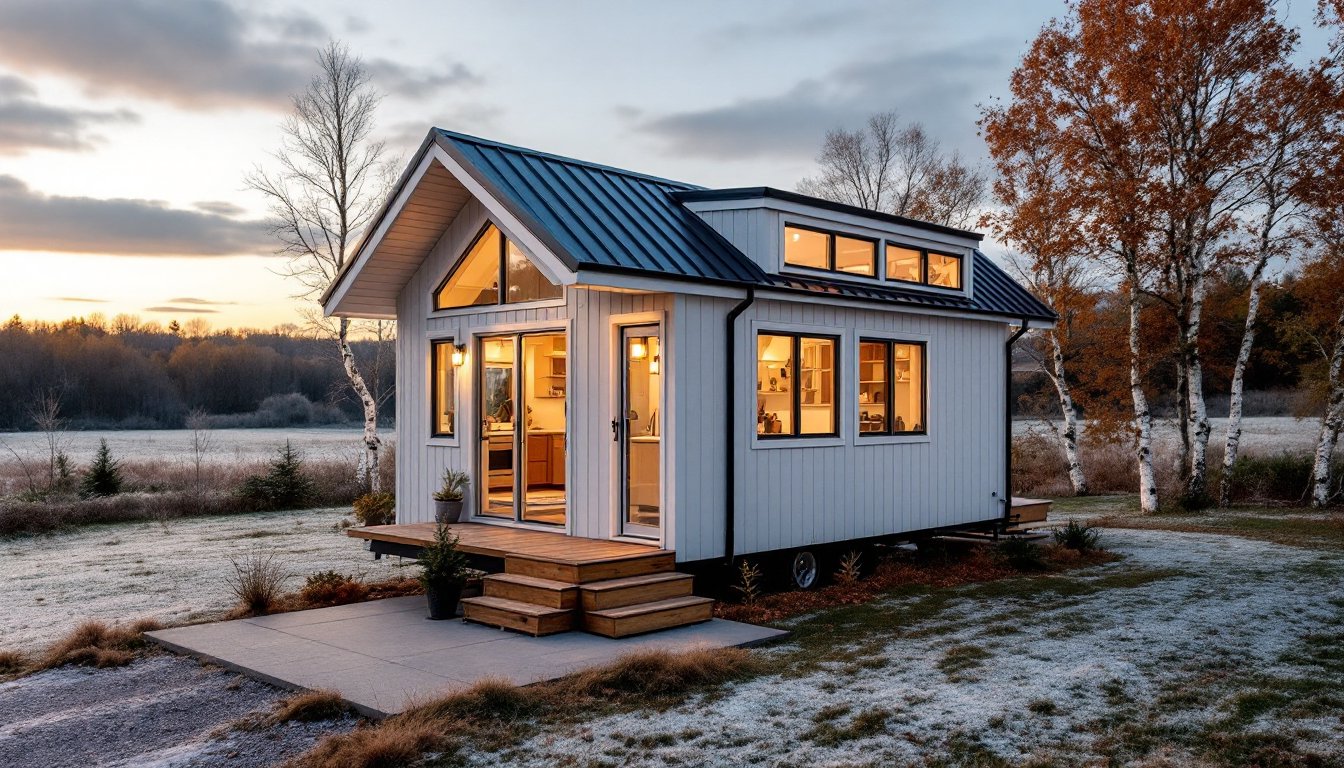
Single-story layouts are most popular, though loft bedrooms and sleeping areas are common to maximize usable space. Open floor plans reduce that cramped feeling, and large windows help. Kitchens are tight but functional, expect a standard fridge, range, and counter space for prep work, but not a separate pantry or island.
Average Costs and Financing Options
Tiny home prices in Murfreesboro typically range from $60,000 to $150,000, depending on age, condition, amenities, and whether land is included. A new manufactured tiny home with land runs closer to the higher end: a used unit or a bare structure might sit at $70,000–$90,000. As with any real estate, regional and market-specific factors affect pricing: contact local realtors for current listings.
Financing can be trickier than traditional mortgages. Many lenders treat manufactured homes as personal property rather than real estate, which affects loan terms and interest rates. FHA loans can work for tiny homes if they meet certain criteria, though qualification is more involved than for site-built houses. Some buyers explore personal loans, RV loans (for mobile tiny homes), or construction financing. Credit unions and specialized lenders often have more flexible programs than big national banks. Essential Tiny Homes Tips for Comfortable Small-Space Living can help you understand financing nuances before approaching a lender.
Saving a substantial down payment, 20–30% if possible, strengthens your negotiating position and improves financing terms. Even with these challenges, the lower purchase price means owning a tiny home outright is more feasible than buying a traditional house.
How to Find and Evaluate Tiny Homes in Murfreesboro
Start with local real estate websites and MLS searches filtered for “small homes” or “manufactured homes” in Murfreesboro and Rutherford County. Many tiny homes sell through general real estate channels, not niche tiny home marketplaces. Real estate agents familiar with the area, especially those who specialize in investment or first-time buyer properties, are invaluable. They know which communities welcome tiny homes and which have deed restrictions or HOA rules that prohibit them.
Tiny home communities and parks are worth exploring too. Murfreesboro has several communities designed specifically for small dwellings, offering common areas, managed maintenance, and a built-in neighbor network. Some are age-restricted (55+), others are mixed. Research shows these communities often appreciate steadily and offer strong resale prospects.
When evaluating a specific property, inspect the structure and systems as you would any home. Check the roof, foundation (or frame, if mobile), plumbing, HVAC, and electrical. Get a professional home inspection, this is non-negotiable, even for smaller homes. Ask about the age of major components: a roof at 20+ years is a red flag: newer mechanicals mean lower immediate repair costs.
For mobile or manufactured tiny homes, verify the title status, lot rent (if applicable), and any park rules. Some parks restrict resales or charge substantial lot fees. Confirm the home sits on owned land or clarify the lease terms. These details directly affect your long-term costs and resale flexibility. Sites like HomeAdvisor offer repair cost estimators that help you budget for potential work.
Tiny Homes Strategies: Smart Approaches to Small Space Living provides deeper insight into evaluating livability and layout fit before you commit.
Key Considerations Before Buying a Tiny Home
Zoning and regulations matter. Confirm that tiny homes are permitted on the lot or in the community where you’re interested. Some Murfreesboro neighborhoods have minimum square footage requirements or rules against mobile homes. City and county zoning maps are public, check before you fall in love with a property.
Resale potential is real but not guaranteed. Tiny homes sell, but the buyer pool is smaller than for traditional houses. A well-maintained unit in a desirable community with clear title to land has good resale prospects. A mobile home in a declining park with unclear lot ownership is riskier. Honestly assess whether the location and condition would appeal to future buyers.
Utilities and off-grid readiness vary. Most Murfreesboro tiny homes connect to municipal water, sewer, and electric. Some in rural areas use well water and septic systems, cheaper long-term but requiring maintenance knowledge. A few buyers pursue solar and composting systems: these are possible but add upfront cost and require more technical skill. Understand what you’re getting into before purchasing.
Space requires intentionality. Living in 350 square feet is genuinely different from living in 1,500. You’ll have less room for guests, less storage for seasonal items, and less ability to separate work, sleep, and leisure zones. Visit existing tiny homes and stay in small spaces (Airbnbs, tiny home hotels) to test your tolerance. Best Tiny Homes: Top Picks for Compact Living in 2025 showcases layouts and real-world examples.
Insurance and liability are straightforward. Standard homeowners insurance applies to owner-occupied tiny homes on owned land. Manufactured homes on leased lots may require different coverage. Get a quote before buying.
Resale timing and market conditions matter. Like any real estate, timing your exit affects profit and hassle. Murfreesboro’s market is growing, but tiny home liquidity isn’t comparable to a three-bedroom suburban house. Buy expecting to stay 3–5 years minimum unless it’s a strategic investment in a high-growth community.
Research from Curbed on tiny home trends and from Apartment Therapy on small-space living can inform your decision. These sources regularly cover market shifts and livability realities.
Conclusion
Tiny homes in Murfreesboro represent a genuine alternative to traditional housing, especially for buyers seeking affordability and intentional living. The market is real, prices are reasonable, and the community is growing. Do your assignments: understand financing options, inspect thoroughly, verify zoning, and honestly assess whether small-space living fits your lifestyle. With preparation and realistic expectations, a tiny home in Murfreesboro can be the practical, affordable entry into homeownership you’ve been looking for.