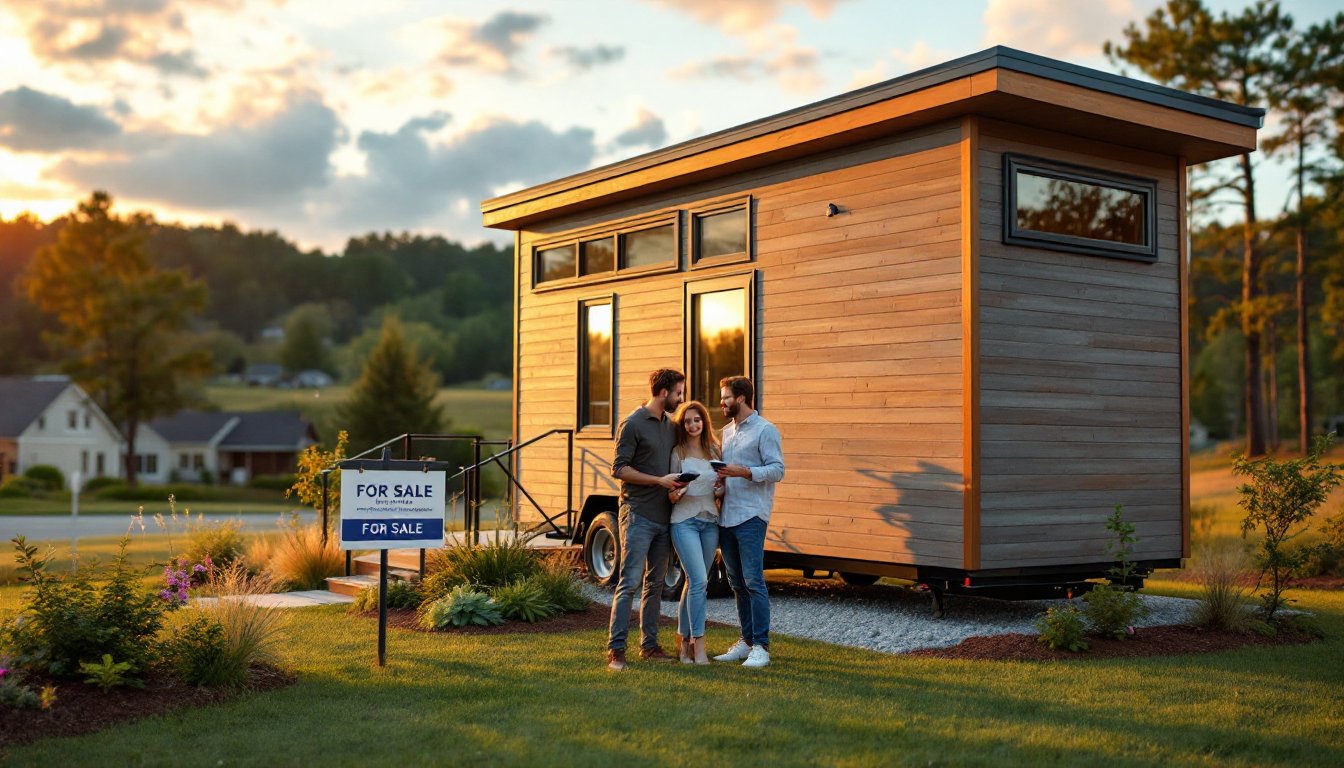
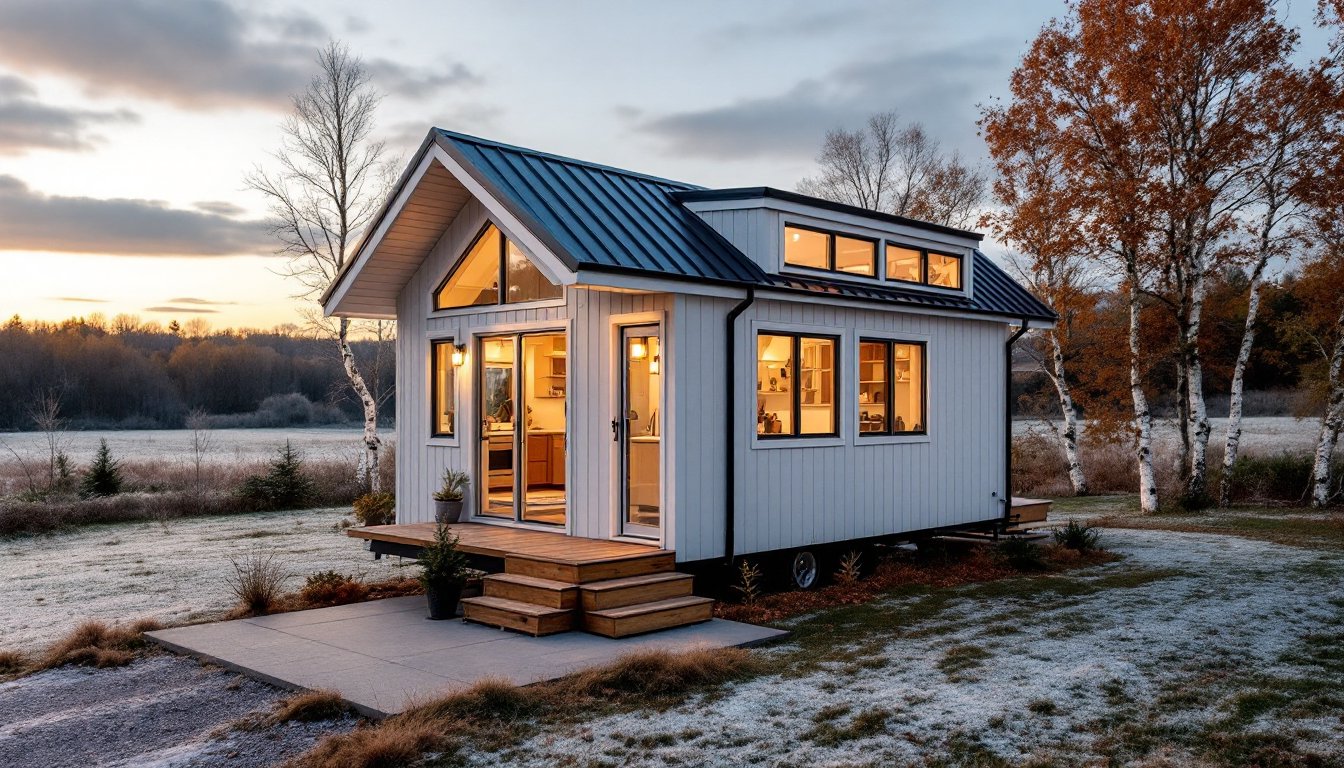
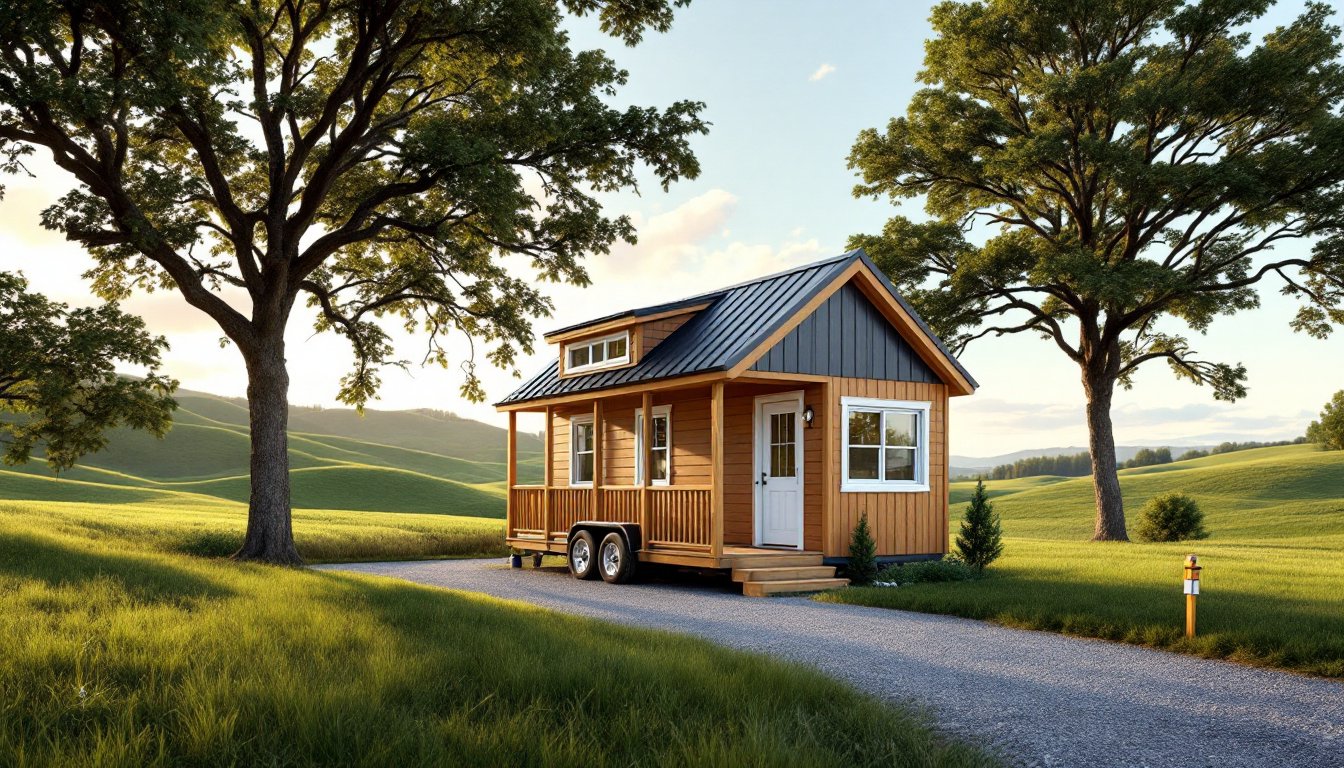
What is a tiny home? It’s a dwelling that typically measures under 400 square feet, designed to maximize every inch of living space. These compact houses have gained massive popularity over the past decade as people seek simpler lifestyles, financial freedom, and reduced environmental impact.
Tiny homes range from custom-built structures on wheels to converted shipping containers and prefabricated units. They appeal to minimalists, retirees, young professionals, and anyone tired of oversized mortgages. This guide covers everything readers need to know about tiny homes, from their defining features and types to the real benefits and challenges of downsizing.
Table of Contents
ToggleKey Takeaways
- A tiny home is a compact dwelling typically under 400 square feet, designed to maximize space through multi-purpose furniture, vertical storage, and open floor plans.
- Tiny homes come in various types including houses on wheels, foundation-built structures, shipping containers, prefabs, and accessory dwelling units (ADUs).
- The average tiny home costs between $30,000 and $60,000, offering significant savings compared to the median U.S. home price of over $400,000.
- Living in a tiny home reduces environmental impact through lower energy consumption, fewer building materials, and options for solar panels and composting systems.
- Before going tiny, research local zoning laws carefully, as many municipalities have restrictions on minimum square footage and where tiny homes can be placed.
- Tiny home living requires lifestyle adjustments including constant organization, limited storage, and creative solutions for cooking and hosting guests.
Defining Tiny Homes and Their Key Features
A tiny home is a residential structure that measures between 100 and 400 square feet. Some definitions stretch to 600 square feet, but most tiny home enthusiasts stick to the smaller end of the spectrum. For context, the average American home spans about 2,300 square feet, making tiny homes roughly one-sixth that size.
Size Standards
The tiny home movement doesn’t follow a single official standard. But, the International Residential Code (IRC) defines a dwelling unit as requiring at least one room of 120 square feet. Many tiny homes meet this minimum while keeping total square footage well below 400.
Core Design Elements
Tiny homes share several key features that make small-scale living functional:
- Multi-purpose furniture: Beds fold into walls, tables convert to desks, and storage hides in stairs
- Vertical space usage: Loft bedrooms, tall cabinets, and wall-mounted solutions maximize every cubic foot
- Compact appliances: Smaller refrigerators, two-burner stoves, and combination washer-dryers fit the scale
- Open floor plans: Eliminating unnecessary walls creates the illusion of more space
- Large windows: Natural light makes small spaces feel bigger and more inviting
Construction Quality
Even though their size, tiny homes often use high-quality materials. Many builders construct them with the same techniques used in traditional homes, proper insulation, durable siding, and standard electrical and plumbing systems. A well-built tiny home can last decades with proper maintenance.
Common Types of Tiny Homes
Tiny homes come in several distinct styles, each offering different advantages depending on lifestyle needs and local regulations.
Tiny Houses on Wheels (THOWs)
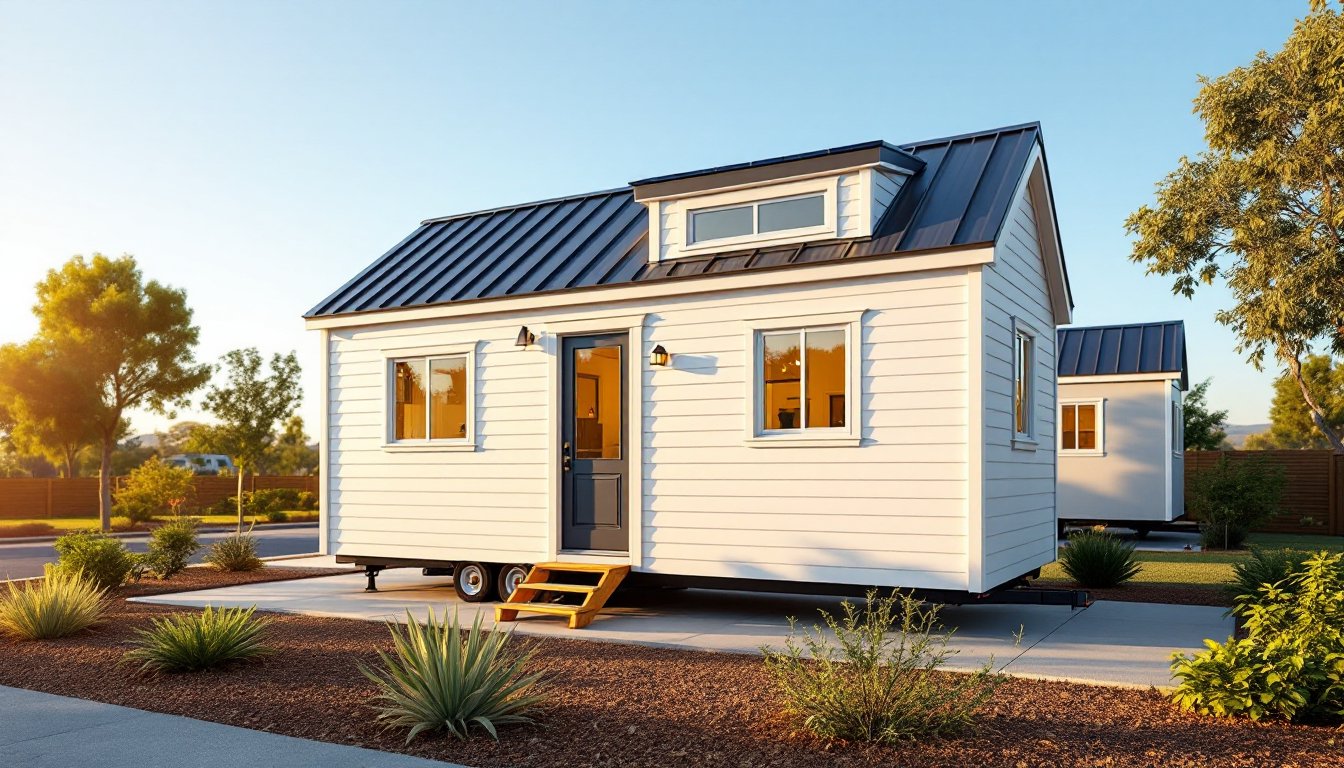
These are the most recognizable type of tiny home. Built on trailers, they can move from location to location. THOWs typically range from 150 to 300 square feet and often bypass traditional building codes by classifying as RVs. They’re ideal for people who want mobility and flexibility.
Foundation-Built Tiny Homes
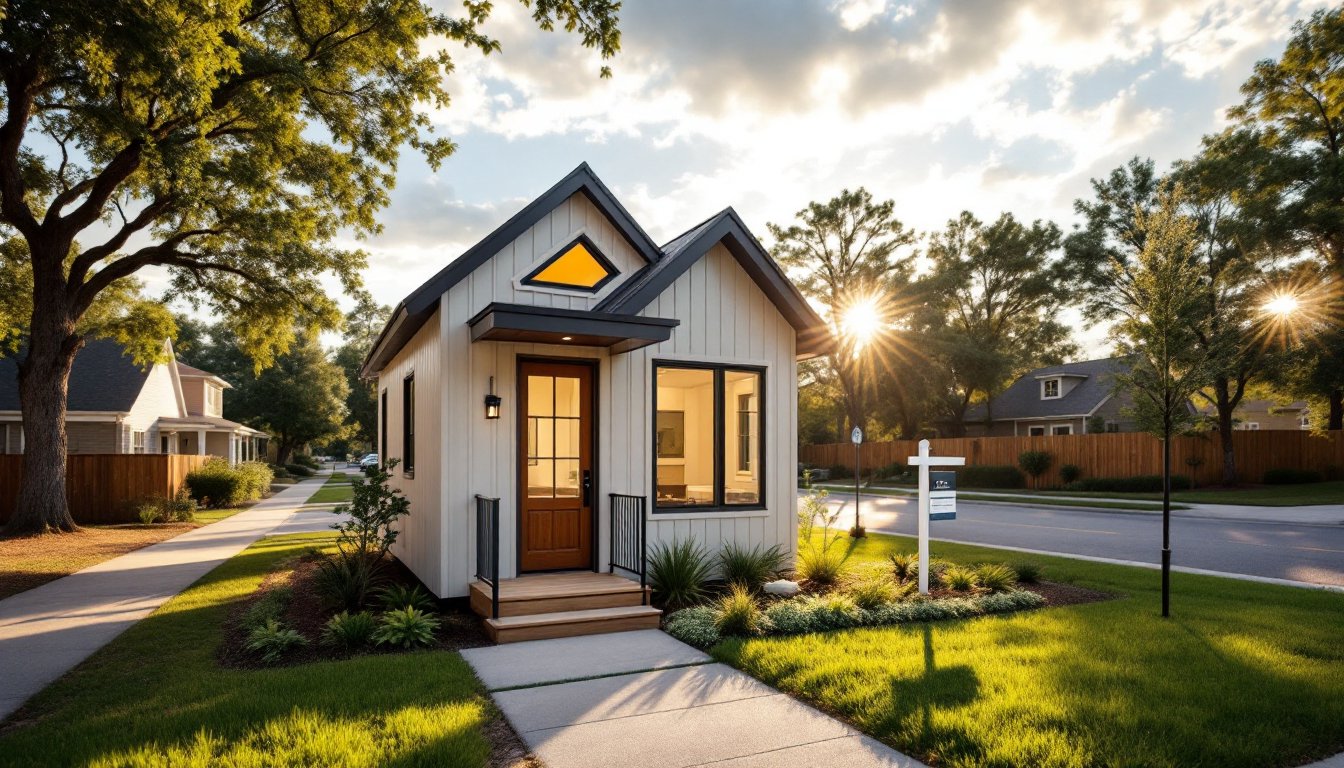
These permanent structures sit on concrete foundations like traditional houses. They must meet local building codes, which sometimes requires minimum square footage. Foundation-built tiny homes offer more stability and often easier access to utilities and financing.
Shipping Container Homes
Converted shipping containers provide a sturdy, affordable shell for tiny home construction. A standard 20-foot container offers about 160 square feet, while a 40-foot container provides roughly 320 square feet. These structures are extremely durable and can be stacked or joined for additional space.
Prefabricated Tiny Homes
Factory-built tiny homes arrive at their destination partially or fully assembled. This construction method reduces build time and costs while maintaining quality control. Prefab tiny homes range from basic shells to fully finished units ready for immediate occupancy.
Accessory Dwelling Units (ADUs)
ADUs are tiny homes built on the same property as an existing house. They serve as guest houses, rental units, or homes for aging parents. Many cities have relaxed zoning laws to encourage ADU construction as a solution to housing shortages.
Benefits of Living in a Tiny Home
Choosing a tiny home brings several practical and lifestyle advantages that attract people from all walks of life.
Financial Freedom
Tiny homes cost significantly less than traditional houses. The average tiny home costs between $30,000 and $60,000, though custom builds can exceed $100,000. Compare this to the median U.S. home price of over $400,000. Lower purchase prices mean smaller or no mortgages, reduced property taxes, and cheaper insurance.
Monthly expenses drop dramatically too. Heating and cooling a 300-square-foot space costs a fraction of what larger homes require. Utility bills for tiny homes often run $30 to $100 per month.
Environmental Impact
Tiny homes use fewer building materials and consume less energy. A smaller footprint means less land disturbance and reduced resource consumption. Many tiny home owners add solar panels, composting toilets, and rainwater collection systems to further minimize their environmental impact.
Simpler Lifestyle
Limited space forces intentional living. Tiny home residents carefully consider each possession, keeping only what adds value to their lives. This minimalist approach often leads to less stress about material goods and more focus on experiences and relationships.
Location Flexibility
Tiny homes on wheels allow owners to change scenery without changing homes. Some tiny home owners travel seasonally, while others relocate for work opportunities. Even foundation-built tiny homes offer flexibility, they’re easier to sell or rent than large properties.
Challenges and Considerations Before Going Tiny
Tiny home living isn’t for everyone. Several practical challenges require honest assessment before making the switch.
Zoning and Legal Issues
Many municipalities restrict where tiny homes can exist. Zoning laws may require minimum square footage for dwellings, prohibit living in RV-classified structures, or limit where people can park tiny homes on wheels. Research local regulations thoroughly before purchasing or building a tiny home.
Financing Difficulties
Traditional mortgages rarely cover tiny homes, especially those on wheels. Buyers often use personal loans, RV loans, or pay cash. Interest rates on these alternatives typically exceed standard mortgage rates. Some builders offer in-house financing, but terms vary widely.
Space Limitations
Living in under 400 square feet requires constant organization. Storage space is limited. Hosting guests becomes challenging. Couples sharing a tiny home need strong communication skills and respect for personal space. Families with children face even greater space constraints.
Resale Concerns
The tiny home market remains relatively small. Selling a tiny home can take longer than selling traditional real estate. Customized designs may not appeal to all buyers. Location matters significantly, a tiny home in a desirable area sells faster than one in a less popular region.
Lifestyle Adjustments
Tiny home living requires adapting daily routines. Cooking in a small kitchen takes creativity. Bathroom space is minimal. Laundry often means trips to a laundromat or using compact appliances. These adjustments feel liberating to some and restrictive to others.