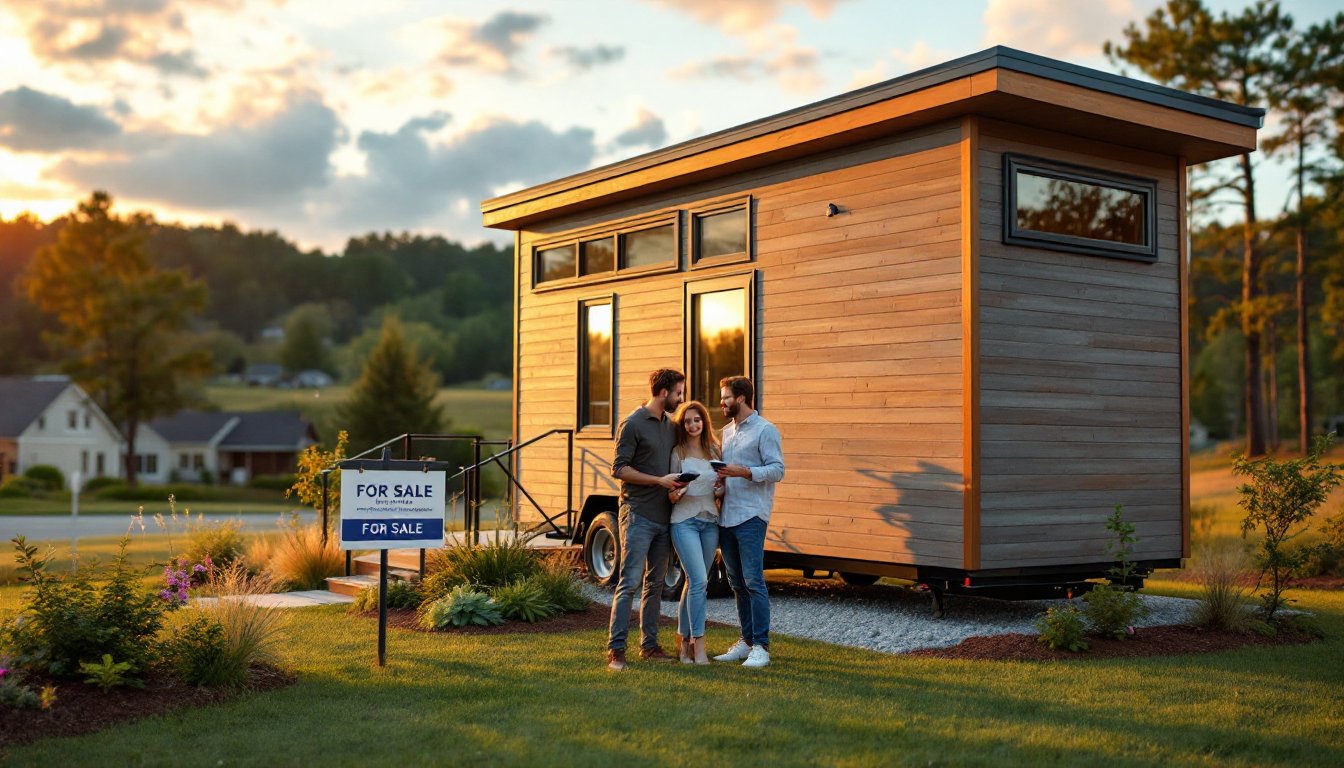
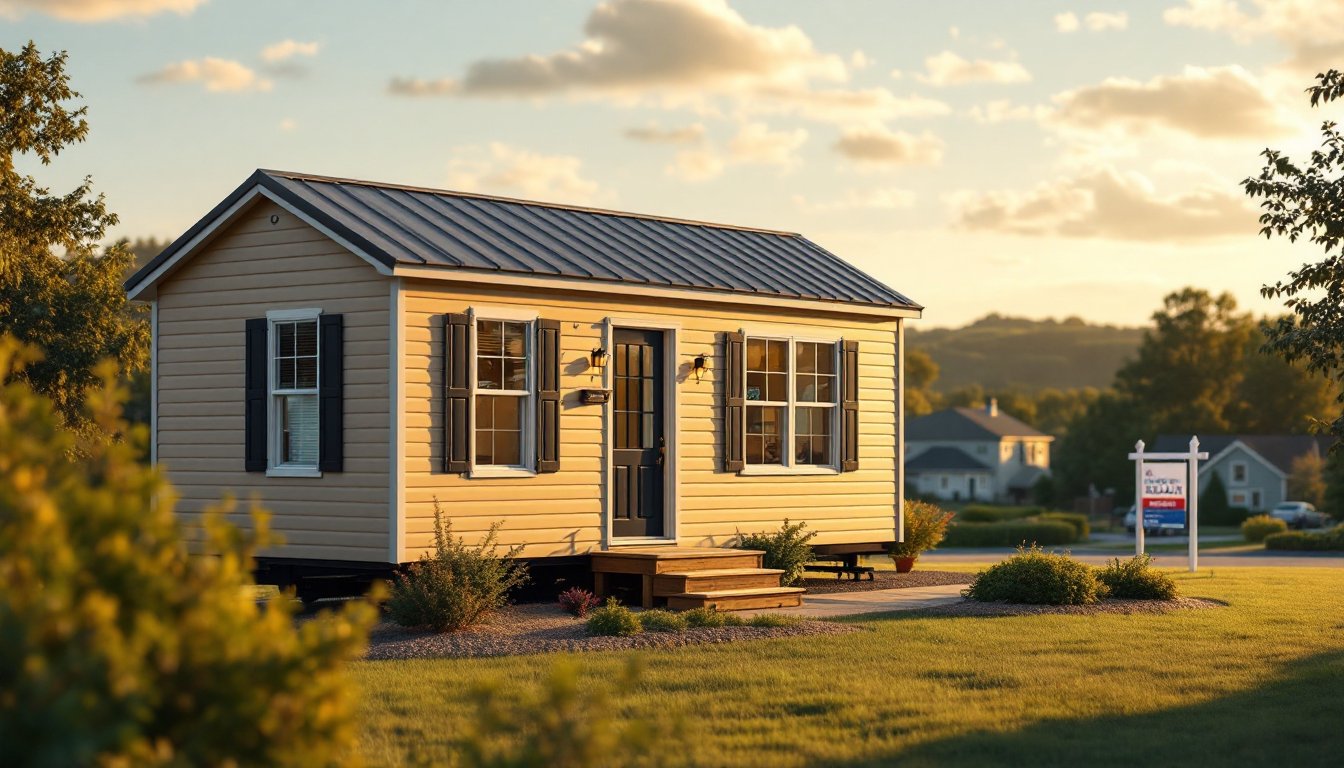
Tennessee is becoming a hotspot for tiny home living. With its moderate cost of living, diverse landscapes, and growing communities of downsizers, the Volunteer State offers genuine appeal for anyone considering the tiny home lifestyle. Whether you’re drawn to lower property costs, simpler maintenance, or a more intentional way of living, Tennessee provides a practical foundation. This guide walks you through what you need to know about building, buying, or moving into a tiny home in Tennessee, from zoning realities to real costs to communities already thriving there.
Table of Contents
ToggleKey Takeaways
- Tennessee tiny homes offer an affordable entry point due to moderate property costs, no state income tax, and reasonable utility bills ranging from $80–$150 monthly, making total housing costs often fall between $400–$800 per month.
- Zoning laws vary significantly by location in Tennessee—what’s permitted in rural counties may be prohibited in Nashville or Memphis—so contacting your county planning office upfront is essential before designing or building your tiny home.
- Popular regions like East Tennessee (Knoxville area), Chattanooga, and Nashville’s suburbs offer established or emerging tiny home communities with growing infrastructure and lower costs than the cities themselves.
- Climate-responsive design is critical for Tennessee tiny homes; prioritize cross-ventilation, deep eaves, and passive cooling for humid summers, plus proper insulation (R-15 walls, R-30–R-38 ceilings) for mild winters.
- Construction costs for a tiny home in Tennessee range from $35,000–$75,000 with DIY efforts to $60,000–$120,000 with contractors, plus land acquisition between $2,500–$50,000 depending on location and proximity to amenities.
- Regional architectural styles and durable exterior materials like metal roofing and fiber cement siding improve both approval odds in design-conscious counties and long-term maintenance in Tennessee’s humid climate.
Why Tennessee Is Perfect for Tiny Home Living
Tennessee’s appeal for tiny homes comes down to economics and lifestyle. Property prices remain well below national averages, especially outside Nashville and Memphis, making land affordable enough that a tiny home on your own lot becomes realistic rather than aspirational. The state’s topography ranges from rolling hills in East Tennessee to flat farmland in West, so you’re not locked into one climate or landscape.
Taxation is another practical draw. Tennessee has no state income tax, which adds up over time. Property taxes are moderate, and many counties actively welcome small-footprint development as a solution to housing shortages. Spring and fall weather are mild enough that utilities stay reasonable, and the region’s culture of DIY and practical building works naturally with tiny home philosophy.
Community matters too. Tiny Homes for Beginners: outlines why the tiny house movement appeals to budget-conscious homeowners, and Tennessee has seen real momentum, from hobbyists building on their own land to organized micro-communities popping up near Knoxville, Chattanooga, and the Nashville periphery. The state’s affordability means you’re buying in early, not joining a saturated market.
Understanding Zoning Laws and Building Codes in Tennessee
Zoning and codes are where tiny home reality meets bureaucracy. Tennessee doesn’t have a statewide tiny home classification, so rules depend entirely on where you’re building. This is the single biggest reason to do your assignments upfront, what’s allowed in one county might be prohibited twenty miles away.
Nashville and Urban Area Requirements
Nashville’s Metro Planning Department has been more progressive about accessory dwelling units (ADUs) and small homes, but “more progressive” is relative. Minimum lot sizes still run large in many neighborhoods, and Nashville’s building code follows the current International Building Code (IBC). You’ll need setbacks, parking spaces (in some zones), and utility hookups to code. Permits are required, inspections are thorough, and timelines can stretch, budget 3–6 months for approval alone.
Other metro areas like Memphis follow similar frameworks but with different specifics. Permit costs scale with home value and square footage, and you’ll typically need a licensed architect or engineer to sign off on plans. Cities also enforce uniform building heights and exterior standards, so your tiny home has to play by neighborhood rules.
Rural Tennessee Options
Rural counties offer flexibility but demand diligence. Many unincorporated areas have minimal zoning, which sounds ideal until you realize there’s no clear code, you’re essentially working with county commissioners and lot-by-lot judgment calls. Some counties explicitly allow RVs and small structures: others don’t define what’s permitted, leaving you to argue your case.
Septic systems and well water are common in rural areas and must meet Tennessee Department of Environment and Conservation (TDEC) standards. If your tiny home sits on a small acreage lot, you’ll need percolation tests and proper setbacks from property lines and water sources. Foundation types (pier and beam, concrete slab, etc.) may face restrictions based on soil and flood zones. Always request written approval before building, not after, county officials can demand removal if your structure violates unstated rules later on.
Popular Tiny Home Communities and Locations
Tennessee has several organized tiny home communities and desirable regions where building is increasingly feasible.
East Tennessee around Knoxville and Asheville’s influence has seen a surge in small-footprint developments. The terrain is beautiful, outdoor culture is strong, and property is cheaper than Western North Carolina. Communities like Blount County and Sevier County have emerged as micro-hub areas where tiny home residents cluster informally or through planned communities.
Chattanooga has become a magnet for remote workers and small-home builders. The city’s downtown revitalization and focus on walkability align with tiny home values. Several micro-communities have launched within 15–30 minutes of downtown, offering both land for custom builds and turnkey tiny homes.
Nashville’s suburbs and exurbs remain competitive on price relative to the city itself. Towns like Franklin, Murfreesboro, and areas further south (Williamson, Maury counties) have started zoning for ADUs and small homes as infill development. These locations offer urban-lite amenities with lower costs than in-city living.
Rural West Tennessee and the Cumberland Plateau offer the most affordable land and minimal zoning friction, but you trade density and services for peace and privacy. Communities around Clarksville and Nashville’s outer counties appeal to retirees and homesteaders.
Investigating specific communities requires calling county planning offices and asking directly: “Are tiny homes or structures under X square feet allowed?” Don’t rely on websites alone, staff can clarify unwritten standards and flag upcoming zoning changes.
Cost Considerations and Affordability in Tennessee
Tennessee tiny home costs break into land, construction, and ongoing expenses, each varies wildly by location.
Land in rural counties runs $5,000–$15,000 per acre depending on proximity to amenities and utilities. A half-acre lot for a tiny home might cost $2,500–$10,000 outright. Urban areas and established micro-communities command more: $20,000–$50,000 for a ready-to-build lot near Knoxville or Chattanooga.
Construction for a built-from-scratch tiny home (say, 300–400 sq ft) typically runs $35,000–$75,000 if you DIY significantly, or $60,000–$120,000 if using a contractor and finished interior. Prefab tiny homes delivered to your site cost $40,000–$100,000 depending on finishes. These numbers fluctuate based on material costs, labor availability, and whether you’re building on level, accessible land or a slope requiring additional foundation work.
Permits and inspections in rural areas might total $500–$2,000. Urban and metro areas can run $3,000–$8,000. Engineering or architectural stamps add $1,500–$4,000 if required.
Utilities are where Tennessee shines cost-wise. Electric, water, and gas bills for a tiny home average $80–$150/month in most of the state, thanks to reasonable rates and mild climate. Septic systems (if needed) run $3,000–$8,000 upfront and minimal annual maintenance.
Property taxes average 0.5–0.8% of assessed home value annually, so a $80,000 tiny home might cost $400–$650/year. Essential Tiny Homes Tips covers how to manage lifestyle costs in a compact footprint. Across the state, total housing costs (land, mortgage, tax, utilities) for a tiny home often land at $400–$800/month, a fraction of regional rental prices.
Designing Your Tennessee Tiny Home
Design for a Tennessee tiny home means thinking about climate, local character, and practical living.
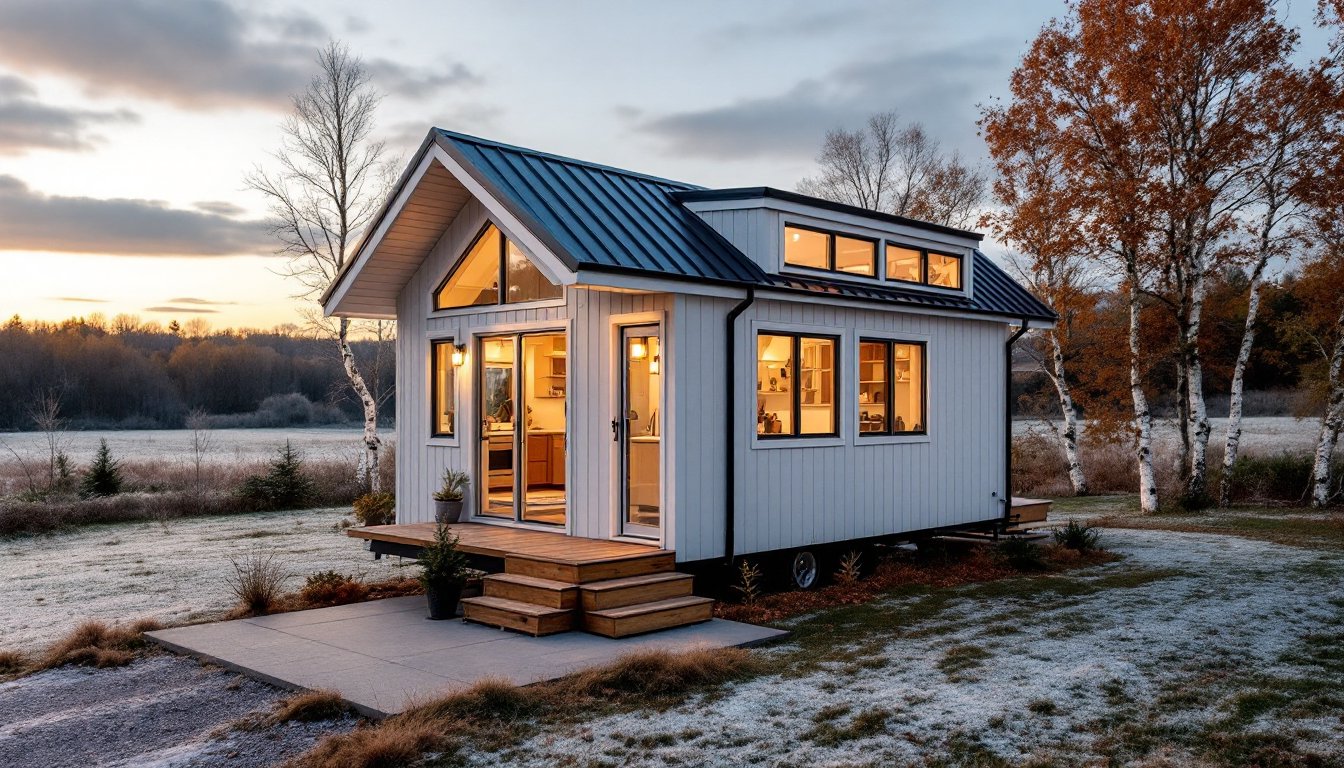
Climate-responsive design matters. Tennessee summers are humid: prioritize cross-ventilation, deep eaves for shade, and smart window placement. Many tiny homes use passive cooling strategies (operable windows, night ventilation, light-colored roofs) to cut AC reliance. Winters are mild but not negligible, ensure proper insulation (R-15 minimum in walls, R-30–R-38 in ceilings per IRC standards) and plan for heating without excessive bulk.
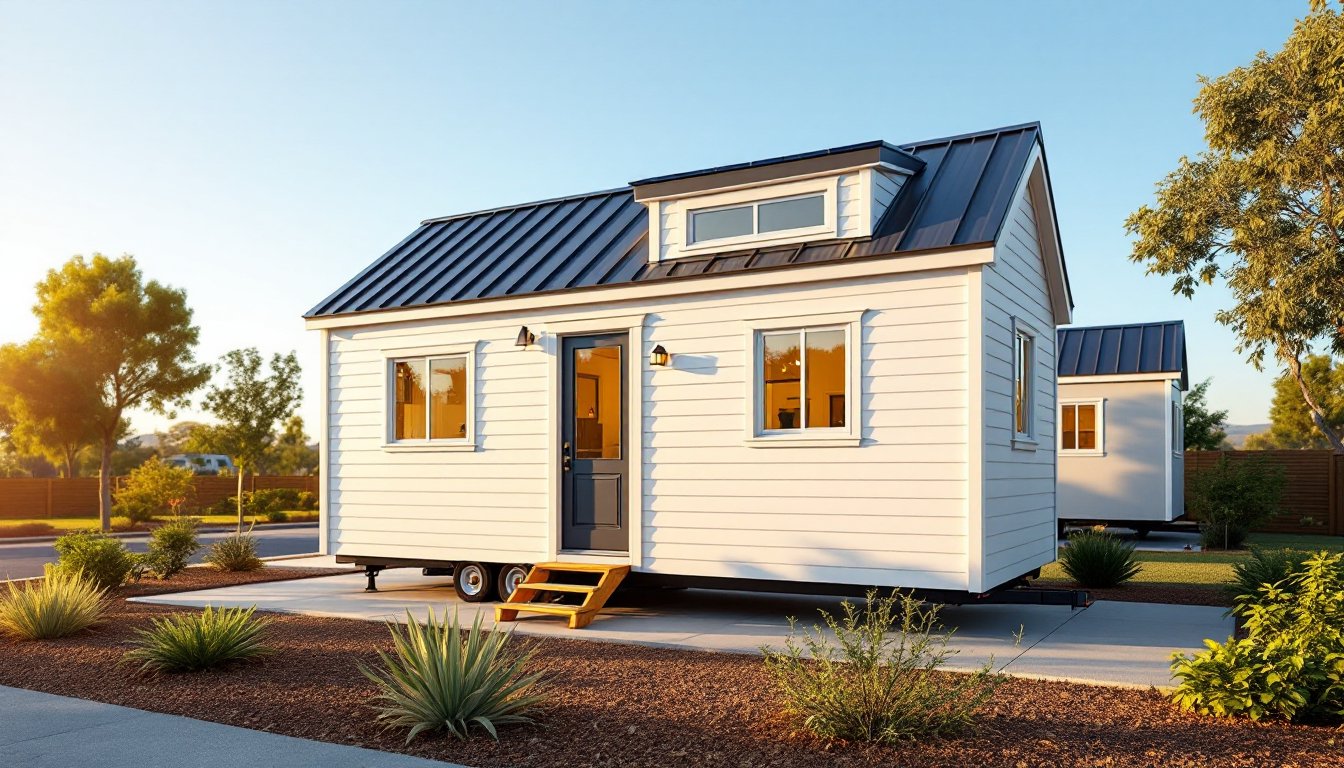
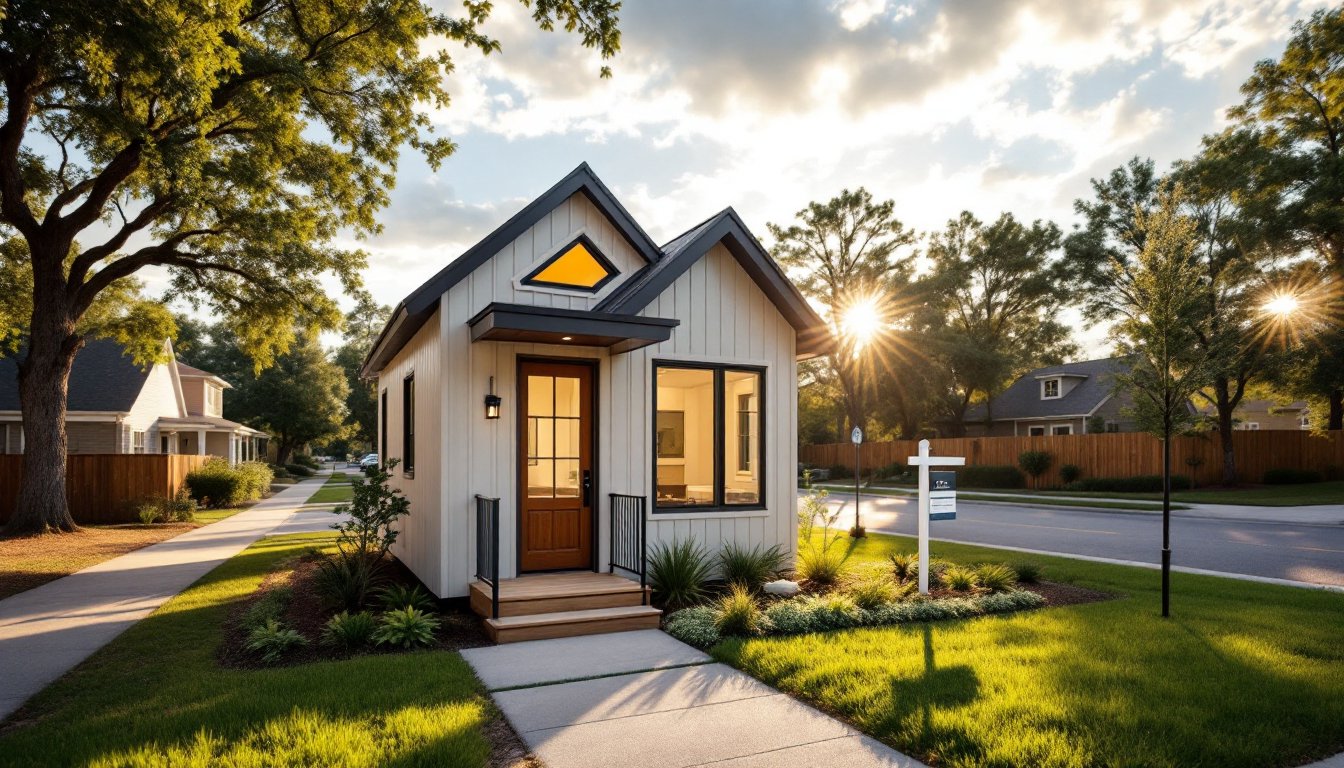
Regional aesthetic resonates locally and resale-wise. Homes inspired by Southern vernacular, front porches, metal roofs, natural materials, age better culturally than utilitarian box designs. Tiny Homes Examples: Inspiring showcases how design choices affect livability. If building in a county with architectural review, harmonizing with regional style can ease approval.
Layout is everything in compact space. Open living areas with sleeping lofts or fold-away beds, combined kitchen-dining, and bathroom placement near utilities save material and maximize usability. Multi-use furniture, storage stairs, murphy beds, expandable tables, isn’t trendy: it’s functional necessity.
Exterior durability keeps maintenance low. Metal roofing, fiber cement siding, and concrete pads age well in Tennessee’s humidity and occasional freeze-thaw cycles. Avoid materials that trap moisture or degrade quickly in high humidity. Southern Living often features regionally appropriate small home designs worth studying.
Utilities integration should follow code: 20-amp minimum service for a 300 sq ft home (IRC), proper GFCI and AFCI protection, and accessible shut-offs. Plumbing runs should be insulated and protected from freezing. Plan for future expansion of electrical load if you’re working remotely from the space.