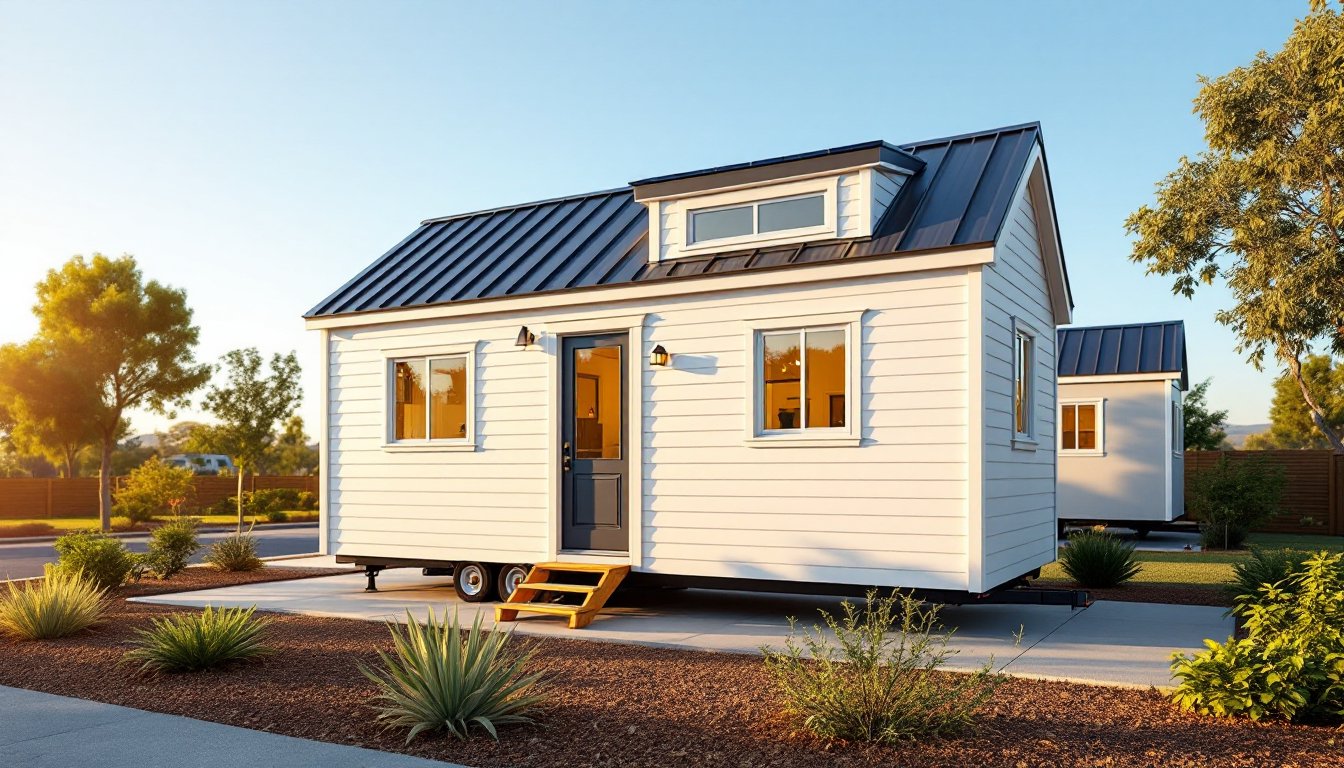
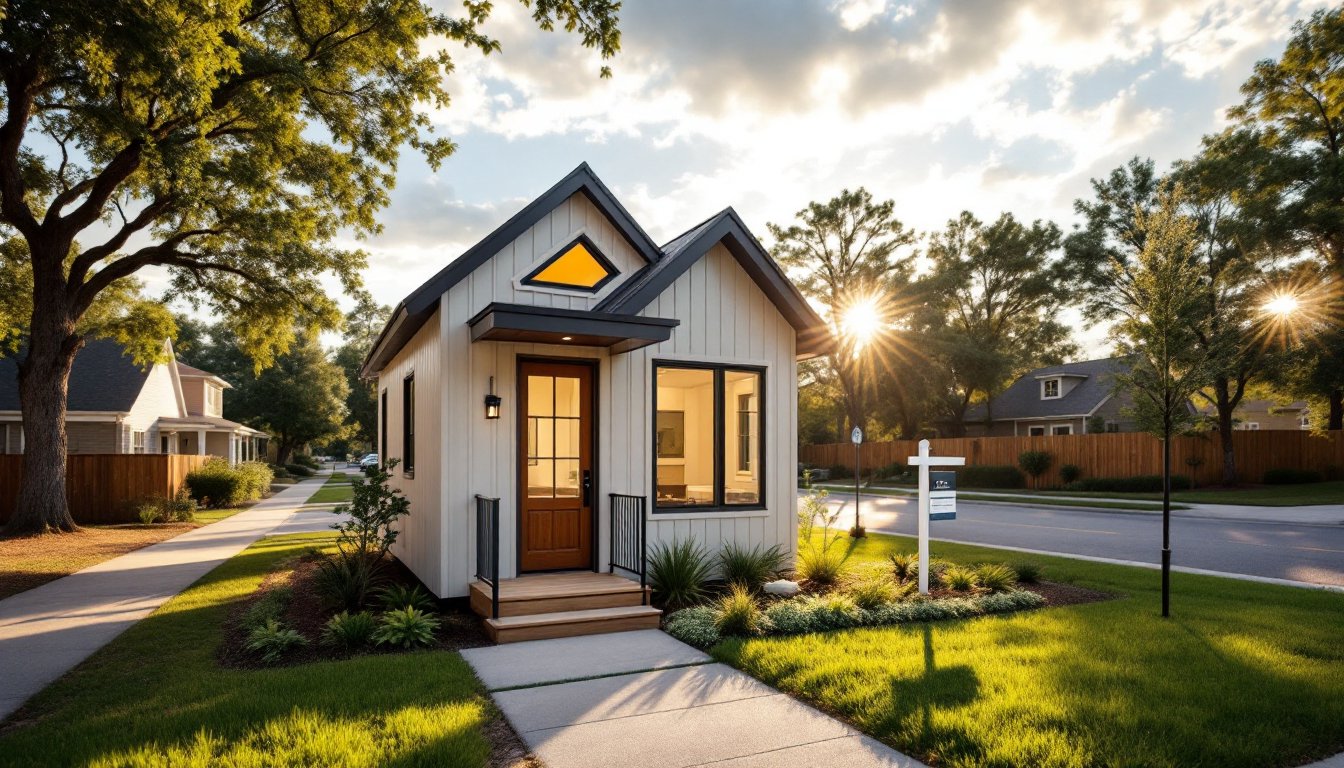
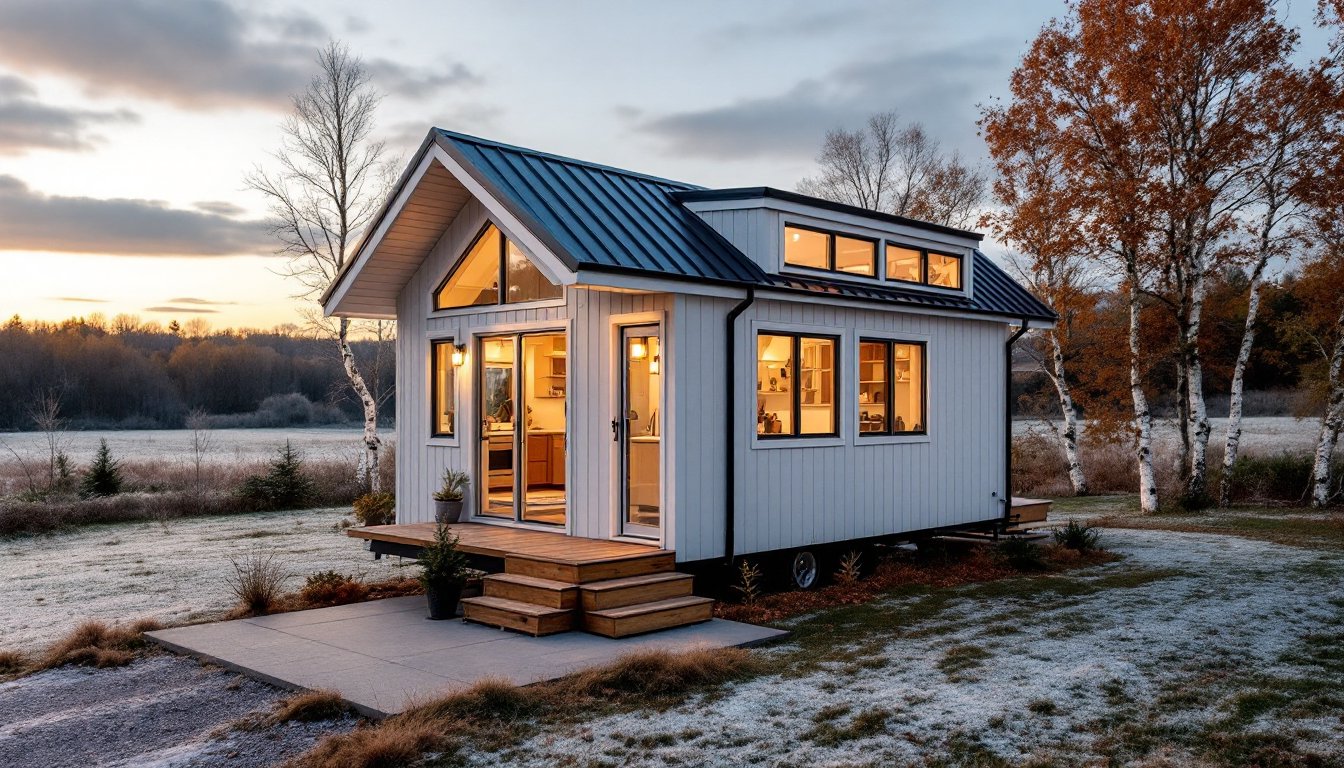
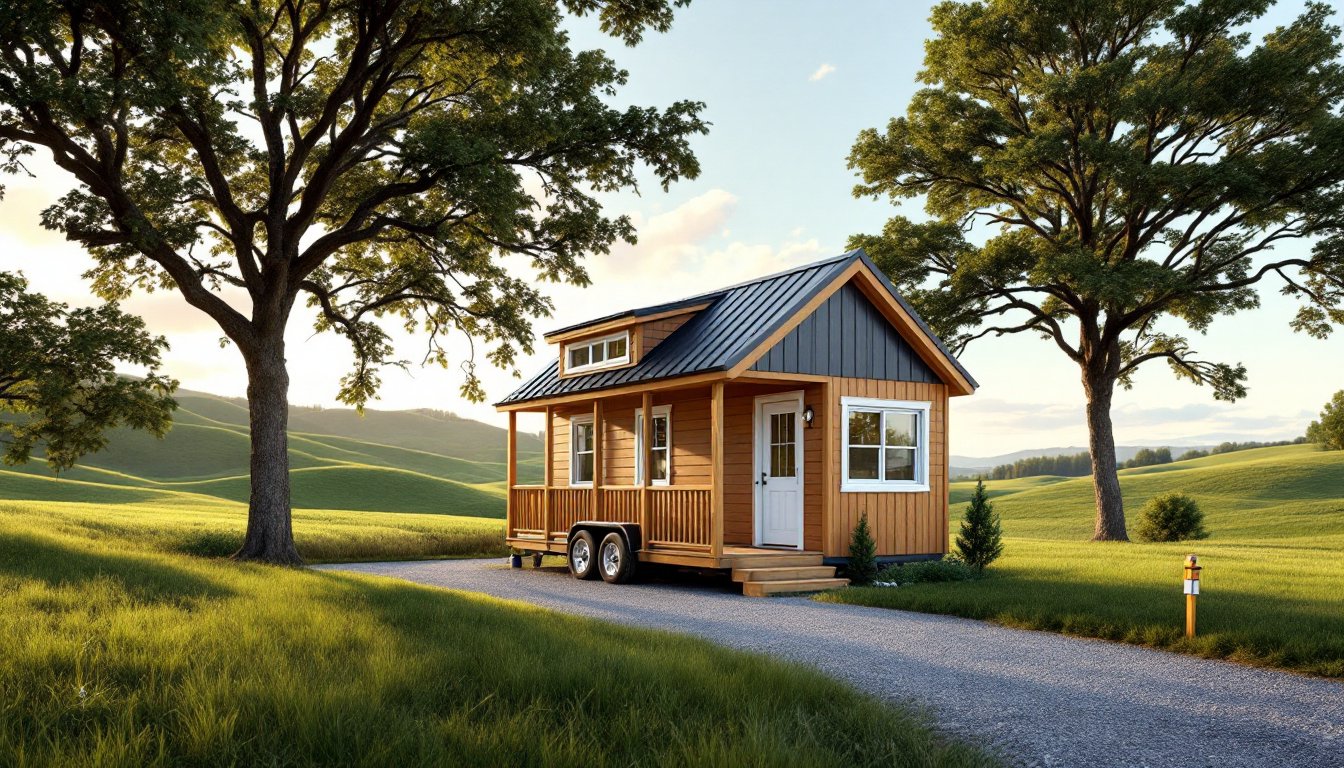
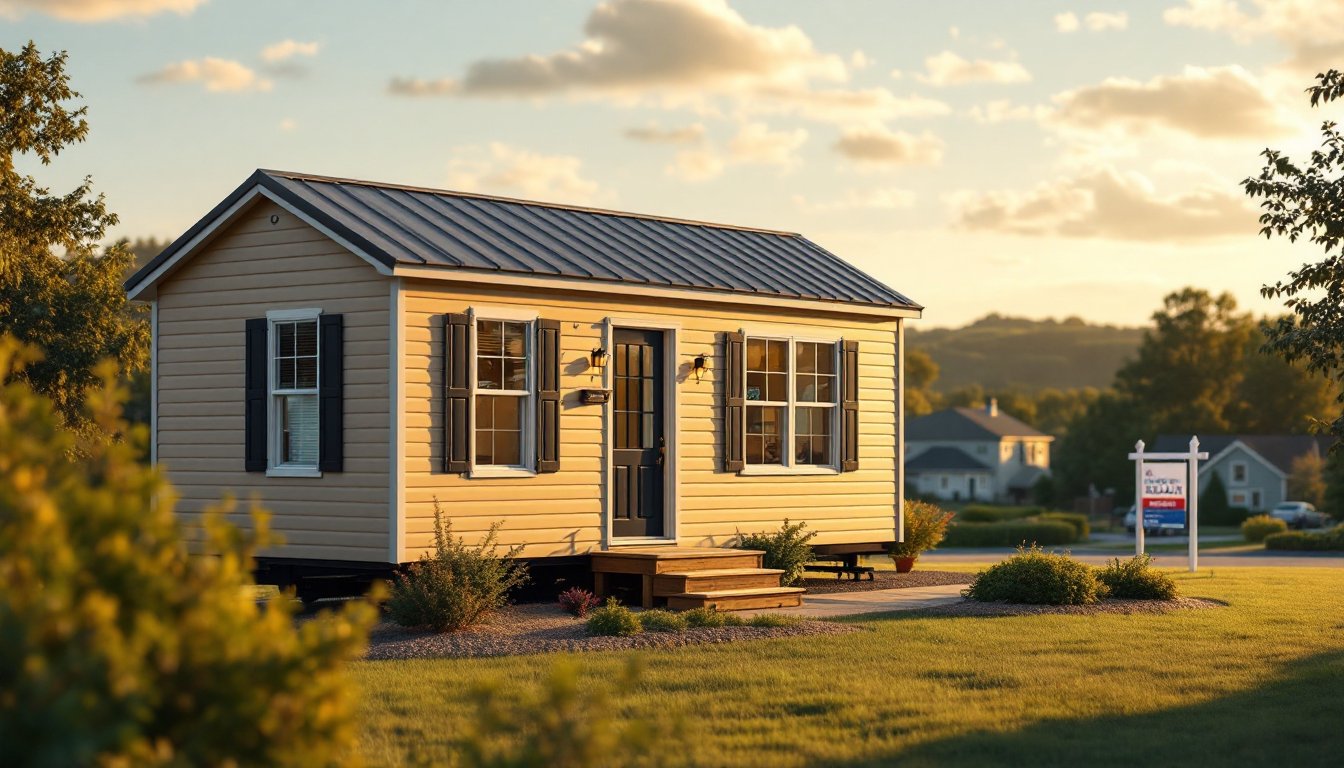
Georgia’s affordable cost of living, mild climate, and growing tiny home communities make the state a hotbed for compact living seekers. Whether you’re downsizing, looking for an affordable entry into homeownership, or embracing minimalist living, tiny homes near Georgia offer practical solutions. This 2026 buyer’s guide walks you through finding the right property, understanding financing quirks, and handling customization projects that make a tiny space truly yours.
Table of Contents
ToggleKey Takeaways
- Tiny homes for sale near Georgia cost $80,000–$150,000 versus $350,000+ for traditional homes, making them a transformative option for first-time buyers and retirees seeking affordable homeownership.
- Georgia’s lenient zoning laws, absence of state income tax on retirement income, and mild climate create ideal conditions for tiny home living compared to other regions.
- Find tiny homes through major platforms like Zillow and Redfin, specialized sites like Tiny Home Listings, or direct relationships with Georgia builders who offer hands-on tours and land packages.
- Permanent foundations appreciate like traditional real estate and are preferred over trailers (THOWs), which face parking restrictions, equity challenges, and financing complications with higher interest rates of 7–10%.
- Before purchasing, verify permits, zoning compliance, build quality (frame spacing, insulation, HVAC sizing), and have a real estate attorney review deed restrictions to avoid costly mistakes.
- Strategic customization projects like built-in storage, LED lighting upgrades, and kitchen refreshes enhance livability, while structural changes and electrical work require professional help and permits to ensure safety and resale value.
Why Tiny Homes Are Gaining Popularity in Georgia and Surrounding Areas
Tiny homes aren’t just a trend anymore, they’re reshaping how people approach homeownership in Georgia and beyond. The biggest draw is cost: a well-built tiny home on a foundation runs $80,000 to $150,000, compared to the median single-family home price of $350,000+ in metro Atlanta areas. For first-time buyers, retirees, and anyone tired of a bloated mortgage, that gap is life-changing.
Georgia’s relatively lenient zoning laws in rural and suburban areas, combined with no state income tax on retirement income, make it especially appealing. The climate, no brutal winters like the North, means lower utility bills and simpler foundation requirements. Plus, tiny homes trends show strong interest in sustainable, low-maintenance living, and Georgia’s builder community has responded with quality offerings. When comparing housing options, understanding tiny homes vs traditional houses helps clarify whether compact living fits your lifestyle and budget.
Where to Find Tiny Homes for Sale Near Georgia
Finding the right tiny home takes strategic searching across multiple channels. The property market moves fast, especially in desirable areas around Atlanta, Savannah, and smaller communities attracting remote workers.
Online Listing Platforms and Real Estate Websites
Start with major platforms: Zillow, Realtor.com, and Redfin let you filter by square footage under 1,000 sf, price range, and location. Many tiny home specialists list on MLS like any traditional property, but you’ll also find dedicated platforms like Tiny Home Listings (tinyhomelistings.com) and Land Gap. These niche sites curate active tiny home communities and off-grid properties. When scrolling listings, watch for red flags like vague “finished square footage” numbers, always ask for actual measurements. Real estate agents familiar with tiny homes are worth their commission: they understand the legal quirks and can spot overpriced properties fast.
Tiny Home Builders and Communities
Direct relationships with builders often yield better deals and customization options. Georgia-based builders like Brevard Tiny Homes, Southeast Tiny Homes, and others operate model homes you can tour. This hands-on approach beats scrolling photos, you’ll feel ceiling height, doorway flow, and storage function. Many builders offer land packages: you buy the home and an acre or lot together. Communities like Margaritaville Hilton Head (nearby South Carolina) and emerging Georgia clusters near Athens and Valdosta provide infrastructure, rules, and neighbor compatibility. Essential Tiny Homes Tips covers how to evaluate layouts once you’ve found candidates.
What to Look For When Buying a Tiny Home
Smart tiny home buyers focus on fundamentals: foundation type, permits, zoning compliance, and build quality, not Instagram-worthiness.
Foundation matters. Permanent foundations (poured concrete) are best if you plan to stay put and want the property to appreciate like traditional real estate. Trailers (tiny homes on wheels, often called THOWs) are portable but won’t build equity the same way and face parking restrictions in many counties. Check Georgia local zoning codes: unincorporated areas are often more lenient, but city limits can ban THOWs or classify them as RVs rather than homes.
Permits are non-negotiable. A tiny home must have a Certificate of Occupancy or be titled properly. Ask the seller for proof of permits pulled during construction. Unpermitted work means no warranty, no resale appeal, and potential code violations. Your lender will require this documentation anyway.
Build quality varies wildly. Inspect the frame (are studs properly spaced?), roof condition, insulation R-values, and HVAC sizing. Tiny homes can be squeezed into undersize systems, you don’t want an undersized water heater or AC unit struggling to keep up. Standards from the International Residential Code (IRC) and local amendments apply, though enforcement varies by county.
Layout and liveability. Walk through at different times. Check overhead clearance, even an 8-foot ceiling feels different in 200 sf than in 2,000 sf. Confirm water pressure, natural light, and storage. How does the bedroom feel? The kitchen? These aren’t cosmetic: they define daily comfort. Many resources on tiny homes strategies explain how professional layouts maximize livability.
Financing and Legal Considerations for Tiny Home Purchases
Financing tiny homes has gotten easier, but it’s still more complicated than buying a traditional house.
Mortgage options depend on the structure. Permanent tiny homes on foundations may qualify for conventional 30-year mortgages through most banks. Trailers typically require personal loans or THOW-specific lenders: interest rates run higher (7–10% vs. 5–7% for conventional), and loan terms max out at 15–20 years. Some credit unions and online lenders specialize in tiny homes: check rates before assuming you’re locked into a trailer-loan model.
Down payments and appraisals. Expect to put 10–20% down. Appraisals can be tricky: a tiny home’s value per square foot is often higher than comparable traditional homes, but appraisers trained on conventional properties sometimes undervalue them. Bring comps from similar tiny home sales to strengthen your appraisal.
Zoning and deed restrictions. Not every plot of land allows tiny homes. County zoning might prohibit structures under a certain size, require minimum lot sizes, or restrict residential density. Check zoning before making an offer. Some HOAs and deed-restricted communities ban tiny homes outright. Savannah and Atlanta suburbs are increasingly favorable: rural Georgia counties often are too. Your real estate attorney should review all restrictions, it’s worth $300–500 to avoid a $100,000 mistake.
Title and insurance. Verify the property title is clear and gets titled as real property, not personal property. Tiny homes on foundations insure like regular homes: trailers may fall under auto or mobile home policies at higher premiums. Get a homeowner’s insurance quote before closing. Platforms like Angi connect you with local agents who understand tiny home coverage.
Customization and DIY Projects for Your Tiny Home
Once you own the tiny home, smart customization unlocks comfort and function without blowing the budget.
Space-maximizing projects are essential. Built-in storage, vertical shelving, under-stair drawers, fold-down tables, transforms cramped quarters. Loft beds with pull-out desks below add sleeping space without eating floor room. These are weekend jobs: measure twice, install proper fasteners into studs, and use quality plywood. A stud finder ($20–50) is non-negotiable: hitting solid framing beats guessing.
Lighting upgrades matter more in tiny spaces. LED strip lights, recessed ceiling fixtures, and strategically placed mirrors bounce light and open up walls visually. Swap incandescent bulbs for LED equivalents, cooler, cheaper to run, and safer in tight quarters where fixture proximity to walls is tight.
Plumbing and electrical are where professionals shine. Water heater upgrades (to tankless, if space allows) save energy but require licensed work in many Georgia jurisdictions. Adding outlets or moving circuits isn’t DIY territory, hire a licensed electrician. Getting permits for those jobs costs $100–300 but prevents fires and resale problems.
Kitchen and bathroom refreshes. Paint, new cabinet hardware, and a fresh faucet go a long way. Backsplash tile is moderate DIY if you have steady hands: grout and seal properly. Flooring, vinyl plank, which is durable and forgiving, is doable for confident DIYers. Essential Tiny Homes Tools covers what you’ll need for common projects. For complex renovations, Curbed offers design inspiration and articles on maximizing compact spaces.
Know your limits. Structural changes, removing walls, altering roof lines, relocating foundation posts, require permits and professional design. If you’re unsure whether a project is cosmetic or structural, ask a local building official or contractor before starting. Tiny homes’ tight tolerances mean mistakes are expensive to undo.