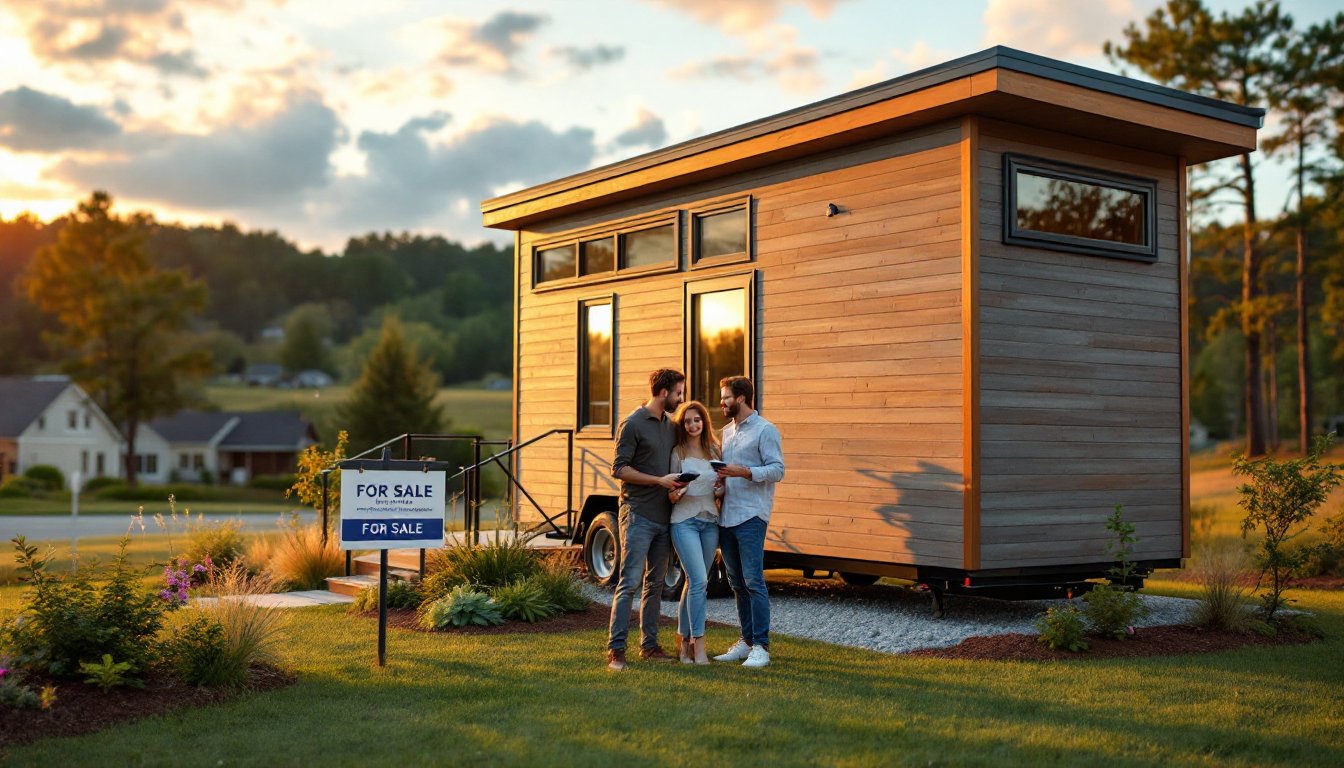
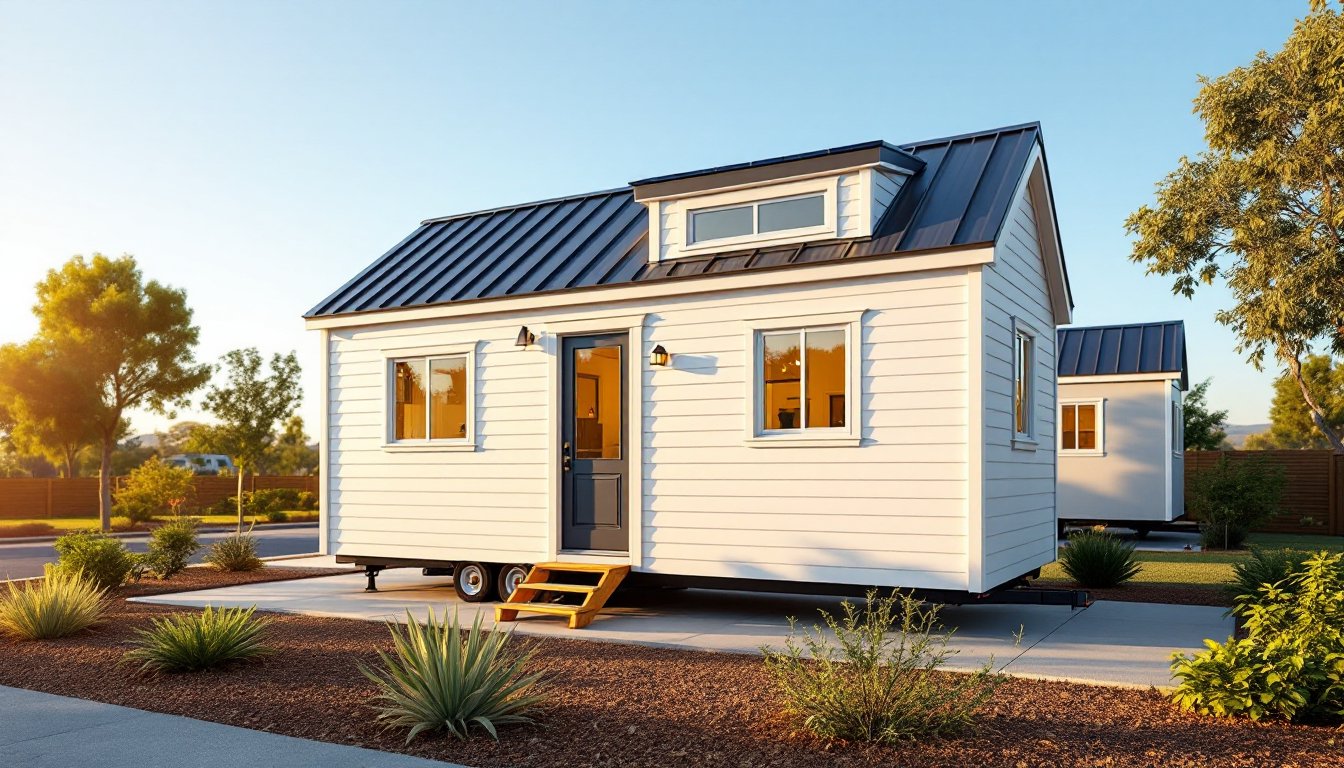
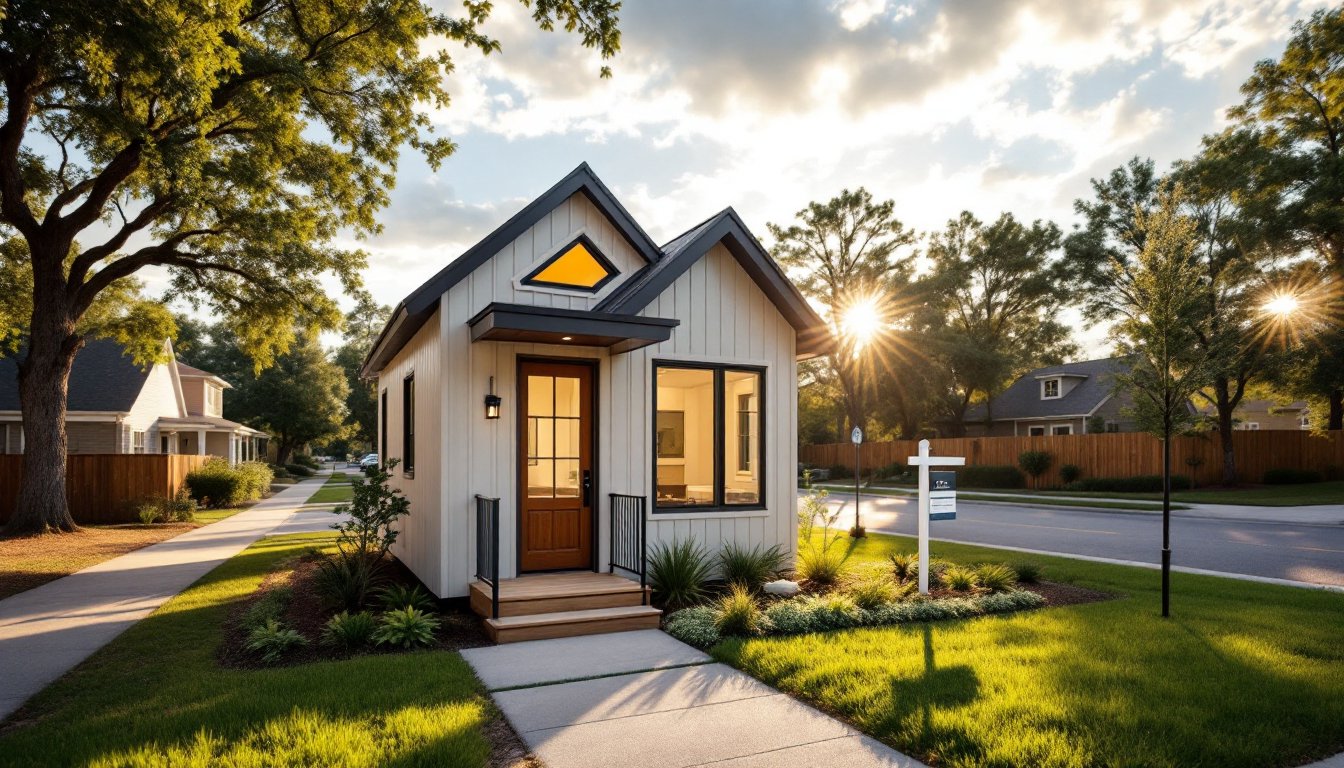
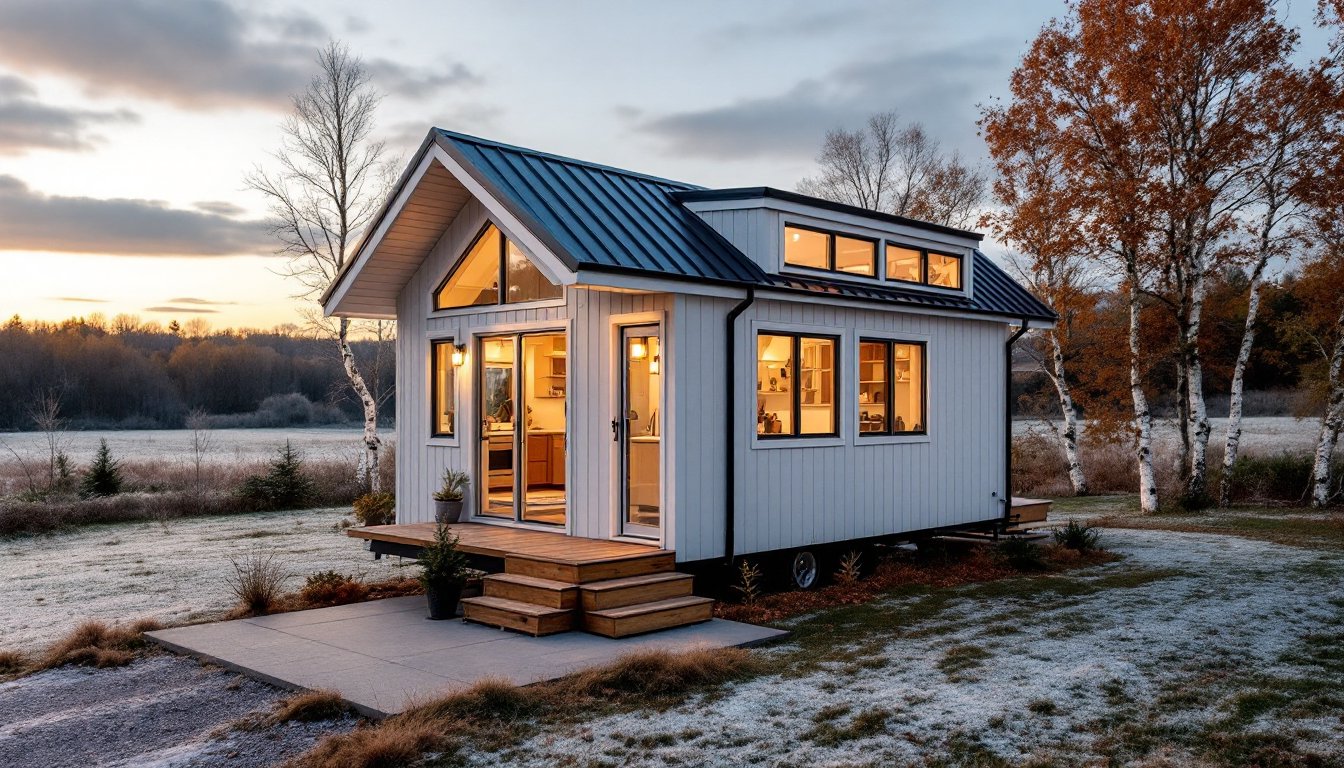
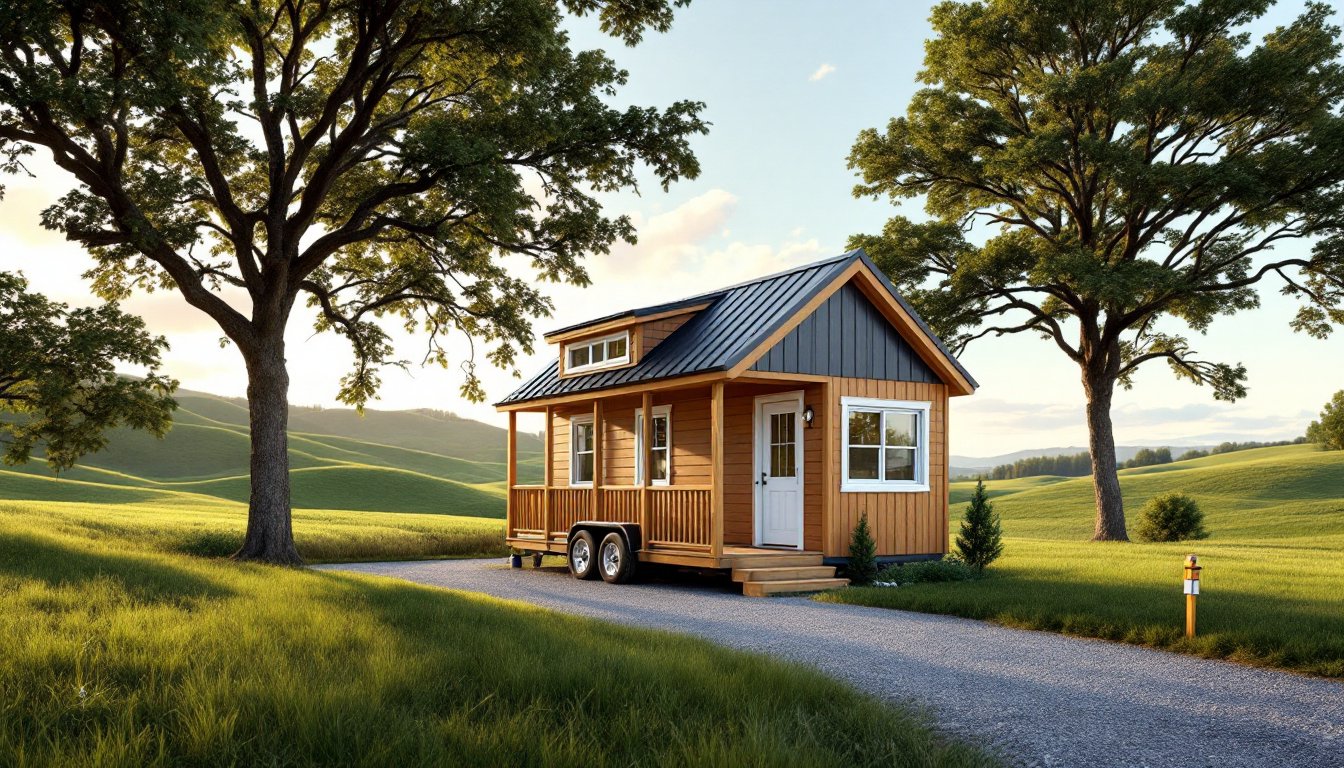
Tiny homes vs traditional houses, it’s a debate that’s grown louder as housing costs climb and minimalism gains traction. The choice between a compact dwelling under 400 square feet and a conventional home affects everything from daily routines to long-term finances. Both options offer distinct advantages, and neither works perfectly for everyone. This guide breaks down the key differences in space, cost, lifestyle, and environmental impact. By the end, readers will have a clearer picture of which housing type fits their goals and circumstances.
Table of Contents
ToggleKey Takeaways
- Tiny homes vs traditional houses comes down to priorities—financial freedom and minimalism favor tiny, while stability and space favor traditional.
- Tiny homes cost $30,000–$60,000 on average compared to the $420,000 median price of traditional U.S. homes, making them a faster path to debt-free living.
- Smaller homes use significantly fewer resources, with tiny homes requiring about 10,000 pounds of materials versus 26,000 pounds for traditional houses.
- Zoning laws and financing challenges remain major hurdles for tiny homeowners, as many areas restrict placement and banks rarely offer traditional mortgages.
- Renting a tiny home before committing helps determine if the lifestyle fits your daily needs and long-term goals.
- A middle-ground option exists: small homes between 600–1,000 square feet offer cost and environmental benefits without extreme space limitations.
Understanding Tiny Home Living
Tiny homes typically measure between 100 and 400 square feet. They come in various forms: some sit on wheels for mobility, while others rest on permanent foundations. The movement gained momentum in the early 2010s, driven by rising housing costs and a cultural shift toward simpler living.
People choose tiny homes for different reasons. Some want financial freedom without a mortgage weighing them down. Others seek a smaller environmental footprint. A few simply love the challenge of creative, efficient design.
Traditional houses, by contrast, average around 2,300 square feet in the United States. They offer separate rooms for different activities, bedrooms, home offices, guest spaces, and storage areas. For families or those who work from home, this extra space often proves essential.
Tiny homes vs traditional houses isn’t just about square footage. It’s about how someone wants to live day-to-day. Tiny living demands intentionality. Every item must earn its place. Traditional homes allow more flexibility and room for accumulation.
Space, Cost, and Lifestyle Differences
Space shapes daily life in obvious ways. In a tiny home, residents cook, sleep, and relax within arm’s reach of each other. Privacy becomes a luxury. Traditional houses provide separation, kids can play in one room while adults work in another.
Cost differences are significant. A tiny home costs between $30,000 and $60,000 on average, though custom builds can exceed $100,000. Traditional homes in the U.S. carry a median price around $420,000 as of late 2024. Monthly expenses also diverge: tiny homeowners often pay $300–$500 for utilities and land rental, while traditional homeowners face mortgage payments averaging $2,000–$3,000 plus utilities.
Lifestyle adjustments come with tiny living. Entertaining guests requires creativity. Storage stays minimal. Hobbies that need equipment, think woodworking or crafting, become difficult. Traditional houses accommodate these activities without friction.
That said, tiny homes vs traditional houses presents a trade-off, not a clear winner. Lower costs with tiny homes mean faster savings, earlier retirement, or more travel. Larger homes offer stability, resale value, and room for life changes like growing families.
Pros and Cons of Each Housing Option
Tiny Home Pros:
- Lower purchase price and reduced debt
- Smaller utility bills and maintenance costs
- Mobility options with homes on wheels
- Forced minimalism leads to intentional consumption
- Faster path to financial independence
Tiny Home Cons:
- Limited space for families or couples
- Zoning laws restrict where they can be placed
- Financing proves difficult, banks rarely offer traditional mortgages
- Resale market remains unpredictable
- Social gatherings become challenging
Traditional House Pros:
- Ample space for families, guests, and hobbies
- Strong resale value and equity-building potential
- Easier financing with conventional mortgages
- Established legal frameworks and zoning acceptance
- Room for life changes without relocating
Traditional House Cons:
- Higher upfront costs and ongoing expenses
- More maintenance and cleaning
- Larger environmental footprint
- Potential for accumulating unnecessary possessions
When comparing tiny homes vs traditional houses, the “right” choice depends on priorities. Someone valuing freedom and low expenses leans tiny. Someone wanting stability and space leans traditional.
Environmental Impact and Sustainability
Tiny homes use fewer resources during construction. They require less lumber, concrete, and energy to build. A typical tiny home uses about 10,000 pounds of materials compared to 26,000 pounds for a traditional house.
Energy consumption drops dramatically in smaller spaces. Heating and cooling a 200-square-foot home costs a fraction of what a 2,000-square-foot house requires. Many tiny homeowners install solar panels that fully cover their electricity needs, a setup that would require a much larger investment for a traditional home.
Water usage follows a similar pattern. Smaller fixtures, composting toilets, and gray water systems are easier to carry out in tiny homes. These features reduce water consumption by up to 50% compared to average household use.
But, traditional houses can achieve sustainability too. Energy-efficient appliances, proper insulation, and solar installations make a substantial difference. A well-designed traditional home may outperform a poorly planned tiny home on environmental metrics.
The tiny homes vs traditional houses comparison on sustainability favors tiny, but with caveats. If a tiny homeowner drives constantly to access amenities, the carbon savings shrink. Location and lifestyle habits matter as much as square footage.
How to Decide What Works for Your Situation
Start with an honest assessment of current and future needs. Consider these questions:
- Does the household include children, pets, or elderly family members?
- How often do guests visit, and for how long?
- What hobbies or work activities require dedicated space?
- Is relocation likely in the next five to ten years?
- What’s the realistic budget for housing?
Try before committing. Rent a tiny home for a week or month through platforms like Airbnb. Live the experience before selling everything and downsizing.
Research local zoning laws. Some areas welcome tiny homes: others prohibit them outright. Understanding regulations saves frustration and wasted investment.
For those torn between tiny homes vs traditional houses, a middle path exists. Small homes between 600 and 1,000 square feet offer reduced costs and environmental benefits without the extreme constraints of tiny living.
Financial goals matter too. If eliminating debt quickly ranks high, tiny homes accelerate that timeline. If building equity and having a stable asset matters more, traditional houses deliver.