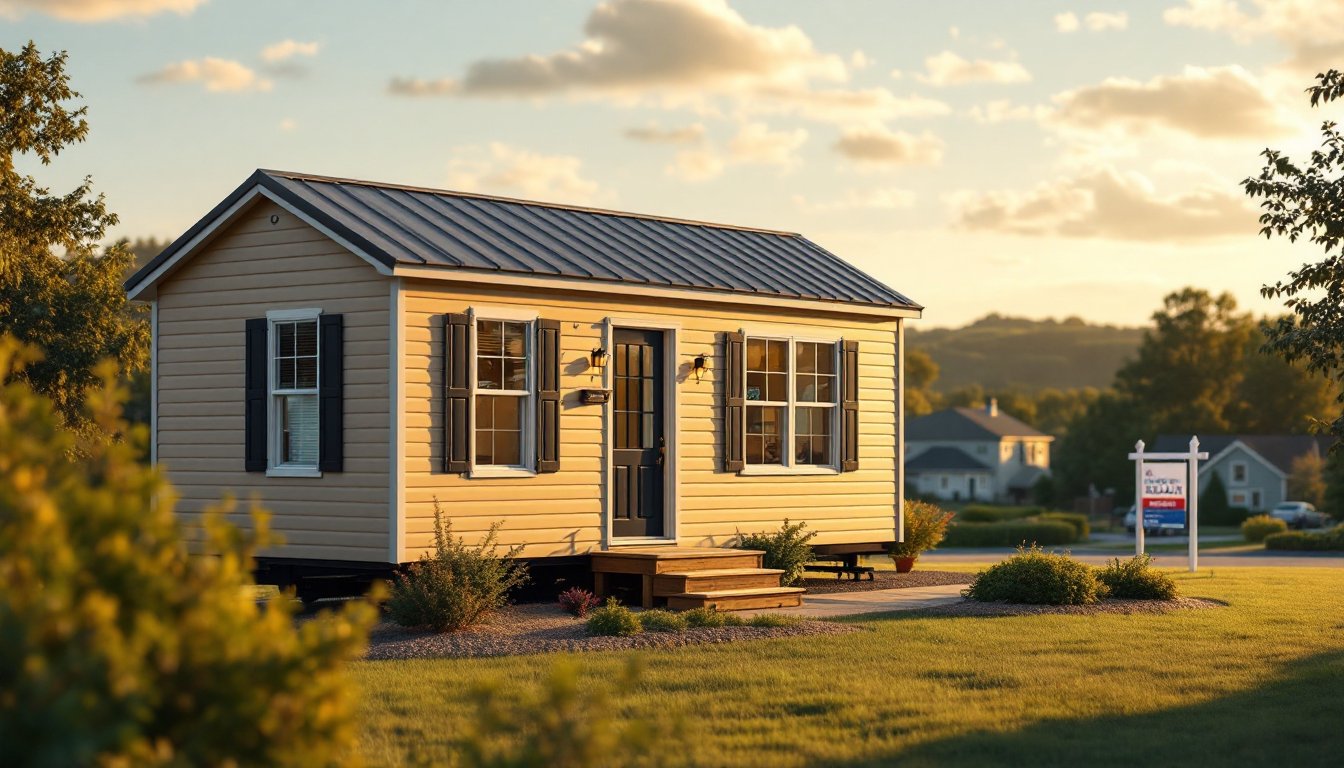
California’s housing crisis has made tiny homes an increasingly attractive option for buyers tired of skyrocketing prices and limited inventory. Whether you’re looking for a primary residence, an investment property, or a smart downsizing move, tiny homes for sale in California offer genuine affordability without sacrificing location or quality of life. From used tiny homes priced under $100,000 to brand-new 2-bedroom tiny homes engineered for modern living, the market in 2026 is more diverse and buyer-friendly than ever. This guide walks you through finding, financing, and inspecting tiny homes so you make an well-informed choice in California’s competitive real estate landscape.
Table of Contents
ToggleKey Takeaways
- Tiny homes for sale in California offer genuine affordability at $80,000–$200,000 for new builds and $40,000–$120,000 for used models, making homeownership accessible despite median home prices exceeding $750,000.
- Multiple financing options exist for tiny home purchases, including traditional mortgages, chattel loans for mobile homes, FHA/VA loans, and builder financing partnerships that increasingly cater to this market.
- Top tiny home markets in California include the Bay Area and Sacramento for affordability-seekers, the Central Coast for mixed inventory, Southern California inland areas for faster permitting, and mountain regions for remote workers.
- Thorough inspection of structural foundations, insulation, plumbing, electrical systems, roofing, and permits is critical for tiny homes, where every issue compounds in a compact 300–400 square-foot space.
- Beyond lower purchase prices, tiny homes align with California’s sustainability goals through reduced energy consumption and water usage while requiring lower property taxes and faster move-in timelines.
- Find tiny homes for sale in California through online marketplaces (Zillow, Redfin, Tiny Home Hub), specialized builder networks, and real estate agents experienced in tiny home zoning and HOA restrictions.
Why Tiny Homes Are Booming In California
California’s median home price exceeds $750,000 in many regions, pushing conventional homeownership out of reach for middle-income families. Tiny homes, typically 400 square feet or less, bypass that barrier entirely. A new 2-bedroom tiny home might cost $80,000 to $150,000, while a comparable condo in the same area runs $400,000 or more.
Beyond price, tiny homes align with California’s sustainability goals. Smaller footprints mean less energy consumption, reduced water usage, and minimal landscaping upkeep. Buyers also appreciate the simplicity: fewer rooms to maintain, lower property taxes, and faster move-in timelines compared to traditional home purchases.
Inventory matters too. Developers are racing to meet demand, and property owners increasingly convert underused land into tiny home communities. Used tiny homes, often relocated from other states or originally built as investment properties, flood the secondary market, giving buyers even more flexibility. This convergence of affordability, sustainability, and availability explains why tiny homes dominate California real estate conversations in 2026.
Where To Find Tiny Homes For Sale In California
Finding tiny homes for sale in California requires a mix of traditional and specialized channels.
Online Marketplaces and Brokers
Zillow, Redfin, and Trulia list tiny homes alongside conventional properties, though filters can help narrow results by square footage. Dedicated tiny home platforms like Tiny Home Hub, Etsy’s tiny home marketplace, and regional builders’ websites often showcase inventory before it hits major listing sites. Facebook groups and Craigslist remain surprisingly active for used tiny homes, though vetting is essential, always verify ownership and permits.
Builder Networks
Large manufacturers like Buckinghamshire, Escape, and Blokable maintain dealer networks throughout California. Many offer floor plans, financing partnerships, and delivery logistics. Smaller local builders, check your county’s contractor licensing board, often specialize in regional designs suited to local codes and climate.
Real Estate Agents
Find agents experienced with tiny homes specifically. They’ll know zoning restrictions, HOA rules, and which communities accept tiny homes. Generic agents may dismiss tiny homes as niche: specialists treat them as legitimate investments.
Top Markets and Regions
Several California regions lead in tiny home availability and buyer activity:
Northern California: The Bay Area and Sacramento have seen rapid tiny home adoption due to extreme housing costs. Communities around Davis and Chico host younger buyers and retirees downsizing.
Central Coast: Salinas, Monterey, and Santa Cruz counties offer a mix of new builds and used homes relocated from other states. Coastal communities have stricter building codes, but the lower climate demands (mild winters, moderate summers) reduce construction costs.
Southern California: San Diego and Los Angeles counties host emerging tiny home parks. Inland areas (Riverside, San Bernardino) offer cheaper land and faster permitting. Orange County communities cater to retirees seeking low-maintenance living.
Inland and Sierra Regions: Fresno, Visalia, and mountain towns like Tahoe-area properties attract remote workers. Land is cheaper, and builders have more flexibility with lot sizes.
Understanding Pricing And Affordability
Tiny home pricing varies dramatically by condition, features, and location.
New Builds: A brand-new 2-bedroom tiny home with modern insulation, electric appliances, and code-compliant systems costs $80,000 to $200,000 depending on finishes and region. Add lot preparation, foundation work, and utility hookups, and the total project cost climbs to $150,000 to $300,000.
Used Tiny Homes: These range from $40,000 to $120,000. Older models lack modern energy efficiency: inspection is critical. Transport costs (up to $10,000 depending on distance) can surprise buyers who assume “used” means cheaper overall.
Regional Price Swings: Coastal and urban areas command 30–50% premiums over rural regions. A 300-square-foot home selling for $100,000 in Visalia might fetch $165,000 in Monterey.
Affordability Reality: Even at $120,000, a tiny home requires a down payment (often 15–25% for unconventional mortgages) and closing costs. Monthly payments on a $100,000 loan at 6.5% over 20 years run roughly $700, far below California’s median rent of $2,000+. But, HOA fees, lot rent (if you’re in a community), insurance, and property taxes still apply. Calculate your true monthly housing cost before committing.
Use online calculators and consult a mortgage broker familiar with tiny home financing. Prequalification reveals your actual budget and speeds the purchase process.
Financing Options For Tiny Home Purchases
Securing a mortgage for a tiny home differs from financing a conventional house.
Traditional Mortgages: Banks increasingly accept tiny homes if they’re permanently affixed, have a clear title, and meet local building codes. Many lenders now offer construction-to-permanent loans (a single loan that covers the build and converts to a mortgage upon completion). Interest rates typically fall 0.5–1% higher than traditional mortgages due to perceived risk, though your credit score and down payment amount matter most.
Chattel Loans: Used for mobile or portable tiny homes, these loans treat the home as personal property rather than real estate. Rates are 1–3% higher than traditional mortgages, and terms are shorter (15 years typical). Down payments often exceed 20%.
FHA and VA Loans: Federal Housing Administration loans can cover tiny homes meeting minimum square footage (some exemptions exist for manufactured homes), and VA loans work if you’re a veteran. These programs offer competitive rates and lower down payments, huge advantages if you qualify.
Builder Financing: Many tiny home manufacturers partner with lenders, offering preapproved rates and streamlined processing. These partnerships sometimes waive documentation requirements or offer shorter underwriting windows.
Cash Purchases: With used tiny homes and smaller price tags, more buyers pay in cash, bypassing interest entirely. If cash isn’t feasible, talk to a mortgage broker early, they’ll match you with lenders who specialize in tiny home loans and understand local codes.
What To Inspect Before Buying A Tiny Home
Inspecting a tiny home demands the same rigor as inspecting a conventional house, sometimes more, because every structural issue compounds in a small space.
Structural and Foundation: Check that the foundation is level and supports the full home weight. Tiny homes on trailers need intact axles and tongue connections: those on permanent foundations require proper grading and drainage. Hire a structural engineer if the foundation isn’t immediately clear.
Framing and Insulation: Examine walls for water damage, mold, or gaps in insulation. In a 300-square-foot home, poor insulation means uncomfortable living and inflated utility bills. Ask the seller for energy audit results and R-values of wall and roof insulation.
Plumbing and Electrical: Tiny homes pack utilities into confined spaces, increasing failure risk. Check water pressure, verify the electrical panel is up to code, and confirm all outlets are grounded. A licensed electrician and plumber should inspect both systems.
Roof and Weather Sealing: Look for missing shingles, rust stains, or leaks. Open the attic and inspect rafters and decking. Weather seals around windows and doors must be intact: resealing is cheap insurance against moisture intrusion.
HVAC and Ventilation: Tiny homes need balanced heating and cooling to avoid dead zones. Test the system in both modes and ask for maintenance records. Verify ductwork isn’t crushed or disconnected in hidden spaces.
Permits and Titles: Obtain a full title report and confirm all building permits were pulled and closed. Unpermitted work or title liens can surface years later, creating headaches. Verify the home meets current local codes, older builds sometimes grandfathered non-compliant features that can’t be modified without upgrades.
Hire a home inspector certified in tiny homes or mobile units if possible: they’ll spot issues a general inspector might miss. Budget $500–$1,000 for thorough inspection. Ask sellers about any work completed in the past 5 years and request invoices and permits.
For used tiny homes, request service records, warranty information, and the previous owner’s contact information. Real buyers talk to prior owners before closing.
Conclusion
Buying a tiny home in California is a smart financial move and a commitment to simpler living. Research your market, vet lenders early, and never skip inspections, the small price tag shouldn’t mean small due diligence. Whether you’re exploring used tiny homes for sale in california or commissioning a brand-new 2-bedroom tiny home, you’re joining thousands of Californians who’ve discovered that less square footage doesn’t mean less quality of life. Start your search today, and you could own a paid-for home by year’s end.