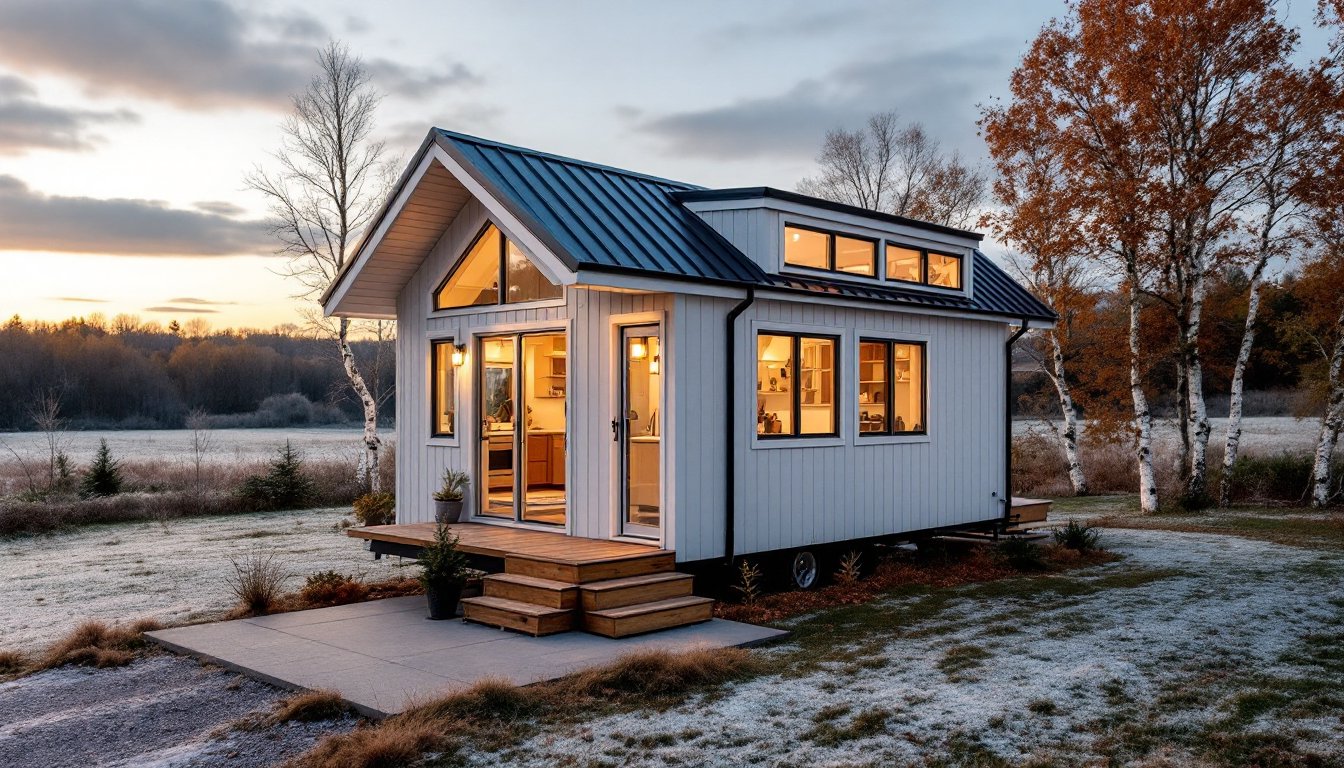
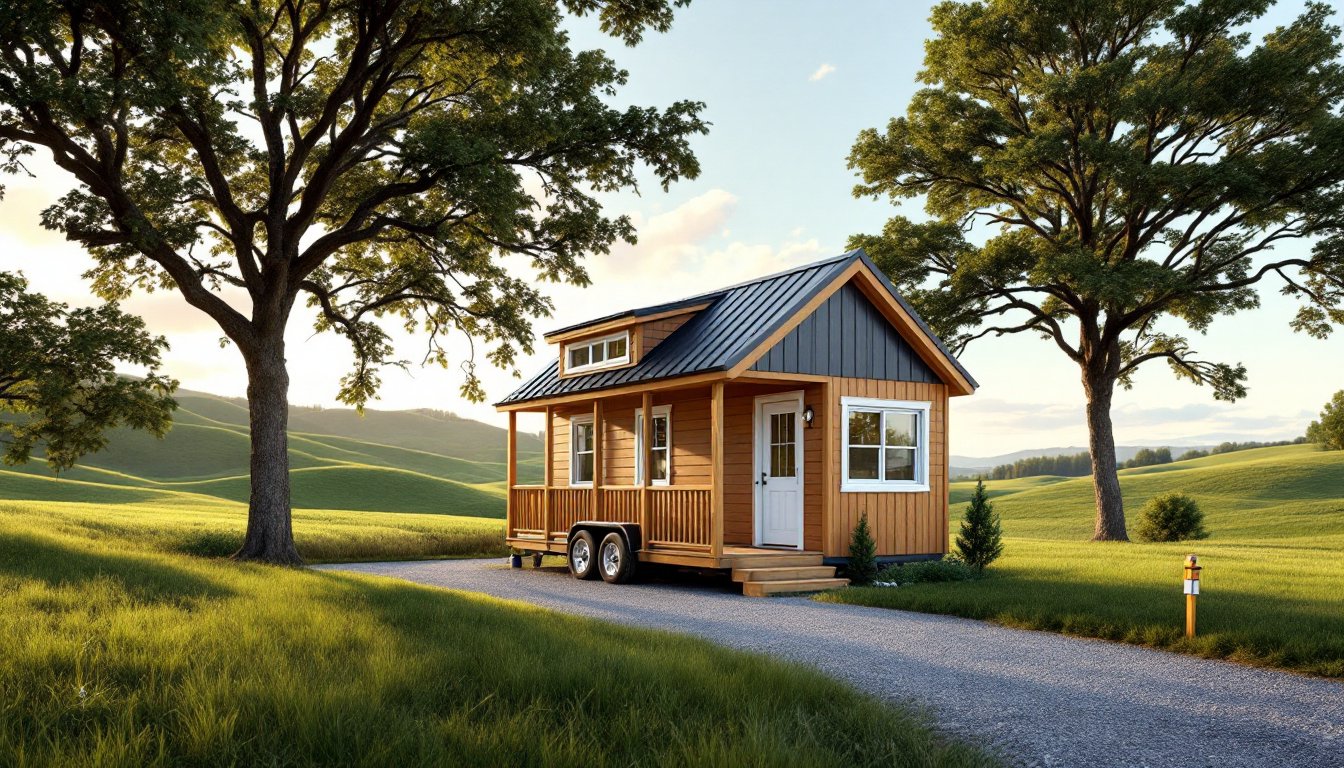
Top tiny homes have transformed how people think about space, ownership, and lifestyle. These compact dwellings offer freedom from oversized mortgages, excessive maintenance, and unnecessary square footage. Whether someone dreams of a sleek prefab model or a custom-built retreat on wheels, the options today are better than ever.
The tiny home movement continues to grow as more buyers seek affordable, sustainable housing. From minimalist professionals to retirees downsizing their footprint, compact living appeals to a wide range of people. This guide explores the best tiny home designs available, covering prefab options, custom builds, and mobile models worth serious consideration.
Table of Contents
ToggleKey Takeaways
- Top tiny homes prioritize smart design, quality construction, and natural light to maximize livability in compact spaces.
- Prefab tiny homes offer the fastest path to ownership, with prices ranging from $50,000 to $100,000 and construction times measured in weeks.
- Custom-built tiny homes cost more ($80,000–$180,000+) but allow complete control over design, materials, and layout.
- Tiny homes on wheels (THOWs) provide mobility and flexibility, though buyers should research local zoning laws before purchasing.
- Before choosing a tiny home, assess your budget, mobility needs, climate considerations, and lifestyle to find the best fit.
- Test tiny home living by renting through Airbnb before committing to a purchase.
What Makes a Great Tiny Home
A great tiny home balances smart design with livability. Square footage matters less than how that space gets used. The best tiny homes maximize every inch through multi-functional furniture, vertical storage, and open floor plans that create a sense of roominess.
Quality construction separates top tiny homes from forgettable ones. Look for durable materials, proper insulation, and energy-efficient windows. These features keep utility costs low and ensure the home lasts for decades.
Layout efficiency defines the tiny home experience. The most popular designs include lofted sleeping areas, fold-down tables, and built-in seating with hidden storage. Some models feature full-size kitchens and bathrooms even though their compact footprint.
Natural light plays a huge role in how spacious a tiny home feels. Large windows, skylights, and glass doors make even 200-square-foot spaces feel open and airy. Dark, cramped interiors quickly become unlivable, no matter how cheap the price tag.
Best Prefab Tiny Homes
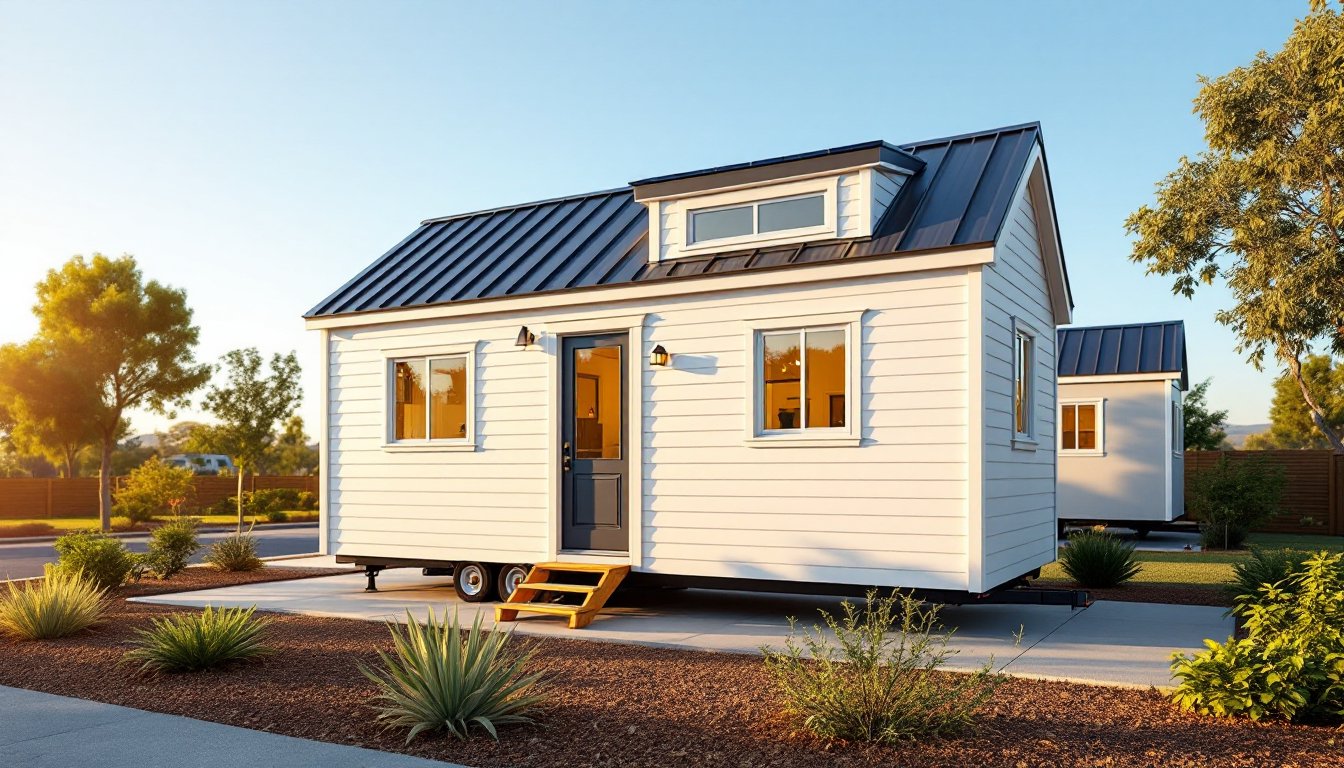
Prefab tiny homes offer the fastest path to compact living. These factory-built structures arrive ready for installation, cutting construction time from months to weeks.
Escape Traveler stands out among top tiny homes for its attention to detail. This 269-square-foot model includes a full kitchen, bathroom, and sleeping loft. Prices start around $63,000, making it competitive for the quality delivered.
Tumbleweed Tiny House Company has built its reputation on customizable prefab designs. Their Cypress model offers up to 269 square feet with options for porches, dormers, and upgraded finishes. Buyers can choose between stationary foundations or trailer-mounted versions.
ESCAPE ONE provides a more modern aesthetic. This steel-framed prefab tiny home features floor-to-ceiling windows and a minimalist interior. Starting at roughly $50,000, it appeals to buyers who want contemporary design without custom-build costs.
Minimaliste from Canada delivers luxury prefab tiny homes with clean Scandinavian styling. Their models range from 238 to 380 square feet and include premium finishes like quartz countertops and hardwood floors.
Top Custom-Built Tiny Homes
Custom-built tiny homes give buyers complete control over design, materials, and layout. This route costs more but produces homes perfectly matched to individual needs.
Timbercraft Tiny Homes builds some of the finest custom tiny homes in the industry. Their Denali model showcases what’s possible with skilled craftsmanship, featuring a main-floor bedroom, two lofts, and a farmhouse-style kitchen. Prices typically range from $95,000 to $150,000 depending on specifications.
New Frontier Design creates stunning tiny homes that challenge expectations about small-space living. Their Alpha model gained fame for its retractable porch, elevator bed, and high-end appliances. These top tiny homes command premium prices but deliver magazine-worthy results.
Wind River Tiny Homes specializes in rustic-modern designs with reclaimed wood accents. Each build reflects the buyer’s vision, whether that means an off-grid cabin or a fully-connected urban dwelling.
Custom builds require patience. Most builders have wait times of 6 to 12 months. But, the result is a tiny home designed specifically for how the owner plans to live.
Tiny Homes on Wheels Worth Considering
Tiny homes on wheels combine compact living with mobility. These THOWs (Tiny Houses on Wheels) let owners relocate without selling their home.
Living Vehicle produces the most advanced mobile tiny homes available. Their aluminum-bodied trailers include solar panels, lithium batteries, and water purification systems. Buyers can live off-grid indefinitely. Prices start around $200,000, positioning these as luxury mobile dwellings.
Mint Tiny Homes offers more accessible THOW options. Their Napa Edition provides 240 square feet of living space with a main-floor bedroom, a rarity among top tiny homes on wheels. Pricing begins near $85,000.
Movable Roots builds handcrafted tiny homes on wheels with exceptional attention to insulation and weatherproofing. Their models handle extreme climates well, making them suitable for full-time living anywhere in the country.
LUNA Tiny Homes focuses on affordability without sacrificing quality. Their shell packages start under $30,000, letting DIY-minded buyers finish the interior themselves.
Before purchasing a THOW, buyers should research local zoning laws. Some areas restrict where tiny homes on wheels can be parked long-term.
How to Choose the Right Tiny Home for You
Choosing among top tiny homes requires honest assessment of priorities, budget, and lifestyle needs.
Budget sets the foundation for every decision. Prefab tiny homes typically cost $50,000 to $100,000. Custom builds run $80,000 to $180,000 or more. DIY projects can reduce costs significantly but demand time and skills.
Mobility needs determine whether a foundation-based or wheeled tiny home makes sense. People who want to travel or may relocate for work benefit from THOWs. Those seeking permanent roots should consider traditional foundations.
Climate considerations affect material and design choices. Cold-weather locations need superior insulation and heating systems. Hot climates require good ventilation and reflective roofing.
Zoning research prevents costly surprises. Many municipalities have minimum square footage requirements or restrictions on tiny homes. Contact local planning departments before purchasing any tiny home.
Lifestyle fit matters most. A couple working remotely needs different features than a retiree seeking weekend getaways. Consider daily routines, storage needs, and how often guests might visit.
Test the lifestyle before committing. Renting a tiny home through Airbnb or similar platforms provides real-world experience with compact living.