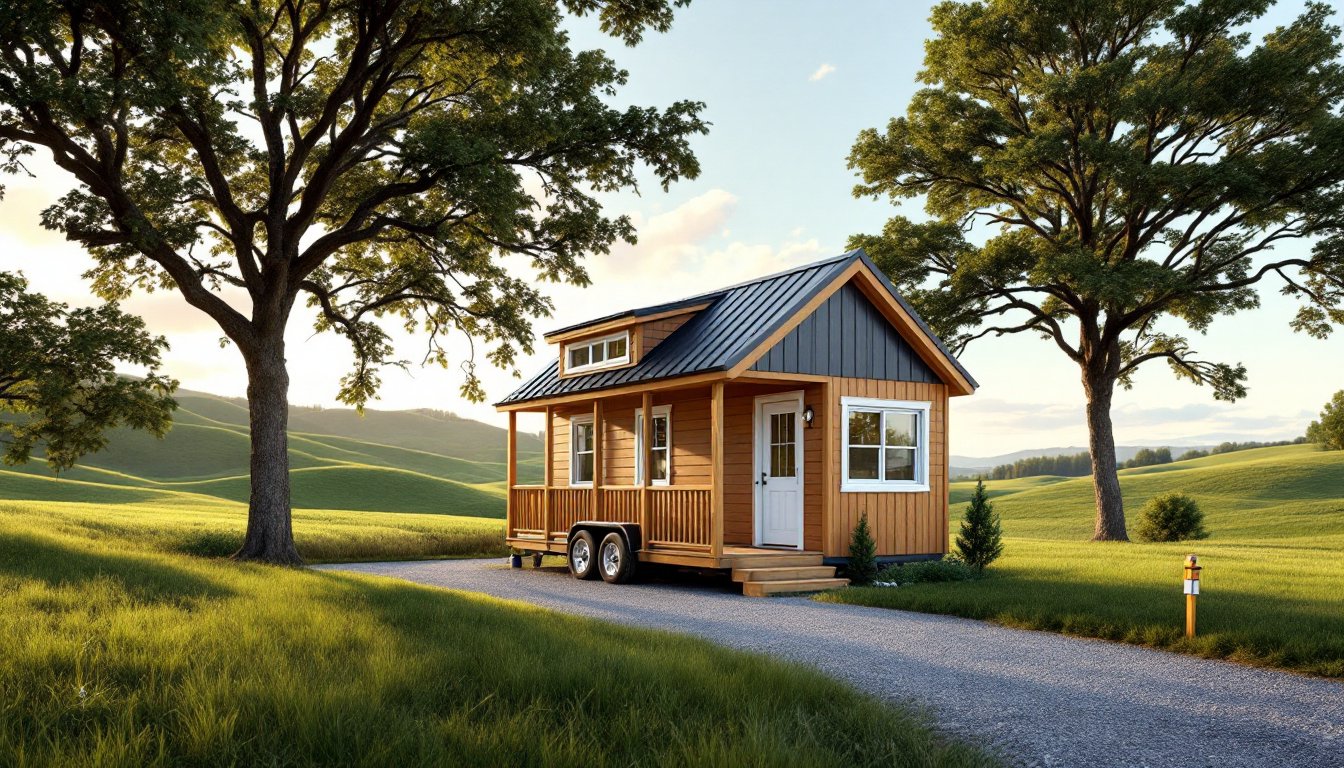
Tiny homes have become one of the fastest-growing housing trends in the United States. These compact living spaces typically measure between 100 and 400 square feet. They offer a simpler, more affordable alternative to traditional housing. Whether someone wants to reduce their environmental footprint, escape mortgage debt, or embrace minimalism, tiny homes provide a practical solution. This guide covers everything potential homeowners need to know about tiny homes, from benefits and challenges to the different types available and how to get started.
Table of Contents
ToggleKey Takeaways
- Tiny homes typically range from 100 to 400 square feet and offer an affordable alternative to traditional housing, costing between $30,000 and $60,000 on average.
- Living in a tiny home can lead to financial freedom by eliminating mortgage payments, lowering utility bills, and reducing maintenance costs.
- Tiny homes come in various types, including homes on wheels, foundation-built structures, shipping container homes, and accessory dwelling units (ADUs).
- Before committing to tiny home living, research local zoning laws and building codes, as many areas have restrictions on minimum square footage or placement.
- Downsizing possessions and visiting tiny homes in person are essential steps to determine if this simplified lifestyle is the right fit for you.
- Financing a tiny home often requires alternatives like personal loans or specialized RV financing since traditional mortgages rarely apply.
What Are Tiny Homes?
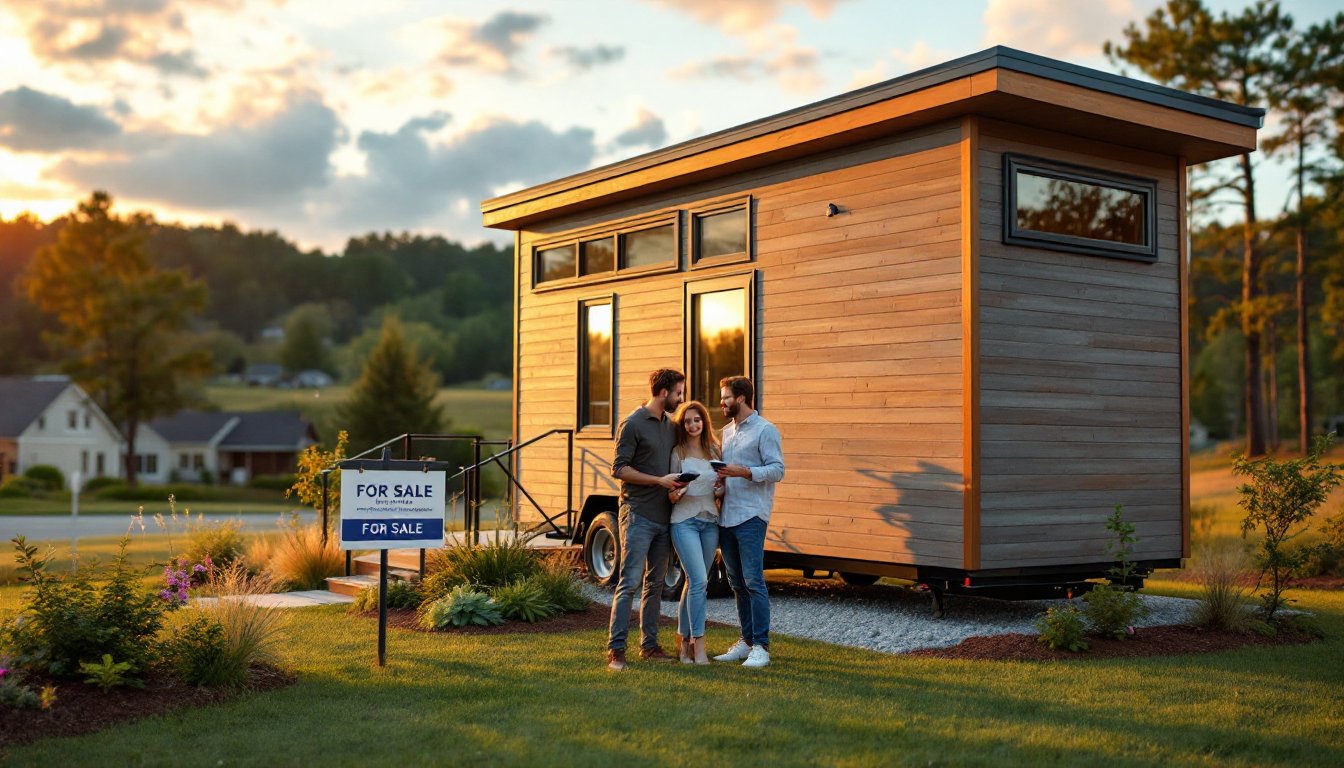
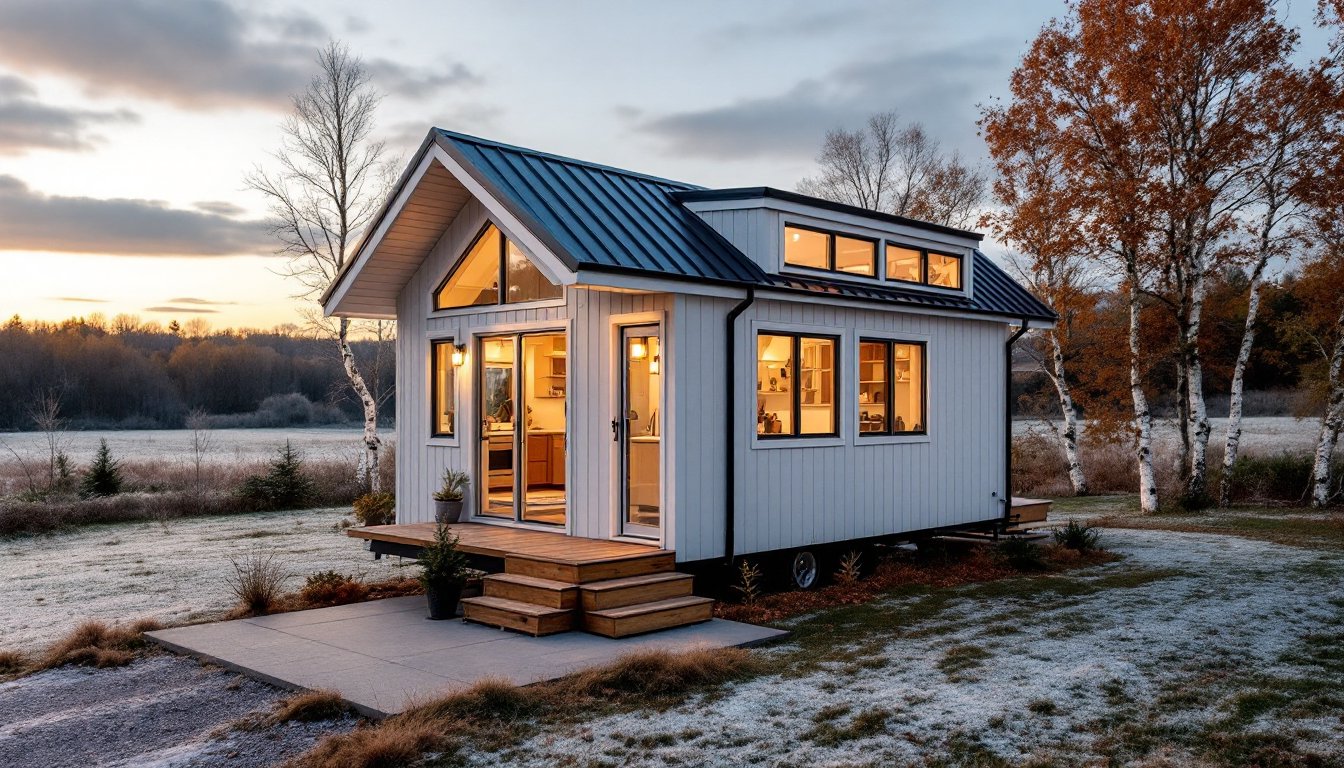
Tiny homes are residential structures that prioritize efficient use of space. Most tiny homes range from 100 to 400 square feet, though some stretch up to 600 square feet. They come in many forms: some sit on wheels for mobility, while others rest on permanent foundations.
The tiny home movement gained momentum in the early 2000s. Rising housing costs, environmental concerns, and a cultural shift toward minimalism fueled its growth. Today, tiny homes appear in urban backyards, rural properties, and dedicated tiny home communities across the country.
These small dwellings include all the essentials of a standard home. Most feature a kitchen, bathroom, sleeping area, and living space. Builders use creative storage solutions like lofted beds, built-in shelving, and multipurpose furniture to maximize every square inch. Some tiny homes even include full-sized appliances, washer-dryer combos, and comfortable work-from-home setups.
Tiny homes differ from RVs and mobile homes in construction quality and design intent. They’re built to residential standards and designed for long-term living rather than travel or temporary use.
Benefits of Living in a Tiny Home
Financial Freedom
Tiny homes cost significantly less than traditional houses. The average tiny home costs between $30,000 and $60,000, compared to the median U.S. home price of over $400,000. Many owners build or buy their tiny homes outright, eliminating mortgage payments entirely. Lower utility bills, reduced property taxes, and minimal maintenance costs add to the savings.
Environmental Impact
Smaller spaces require fewer resources to build and maintain. Tiny homes use less energy for heating and cooling. Many owners install solar panels, composting toilets, and rainwater collection systems. This makes tiny homes an attractive option for those who want to reduce their carbon footprint.
Simplified Lifestyle
Limited space forces residents to evaluate their possessions. Many tiny home dwellers report feeling less stressed after eliminating clutter. They spend less time cleaning and organizing. This leaves more time and money for experiences, travel, and hobbies.
Flexibility and Mobility
Tiny homes on wheels offer location independence. Owners can move their home to new cities, follow job opportunities, or simply enjoy a change of scenery. Even stationary tiny homes often sit on smaller lots, making them easier to relocate if needed.
Challenges to Consider Before Going Tiny
Tiny home living isn’t for everyone. Potential owners should consider these challenges before making the switch.
Zoning and Legal Issues
Many municipalities have minimum square footage requirements for permanent residences. Zoning laws may prohibit tiny homes in certain areas or require them to meet specific building codes. Some owners face difficulties finding legal places to park or place their tiny homes. Research local regulations thoroughly before purchasing or building.
Limited Space
The obvious drawback of tiny homes is limited living space. Storage requires careful planning. Hosting guests becomes challenging. Couples and families need to establish boundaries and systems for sharing tight quarters. Those who work from home may struggle to create dedicated office space.
Financing Difficulties
Traditional mortgages rarely apply to tiny homes. Many banks hesitate to finance non-traditional structures. Owners often pay cash, use personal loans, or seek specialized RV or tiny home financing. Interest rates on these alternatives may be higher than conventional mortgage rates.
Resale Uncertainty
The tiny home market remains relatively small. Selling a tiny home can take longer than selling traditional property. Custom designs that appeal to one owner may not attract buyers. Location restrictions further complicate resale options.
Types of Tiny Homes to Explore
Several distinct types of tiny homes exist, each with unique advantages.
Tiny Houses on Wheels (THOWs)
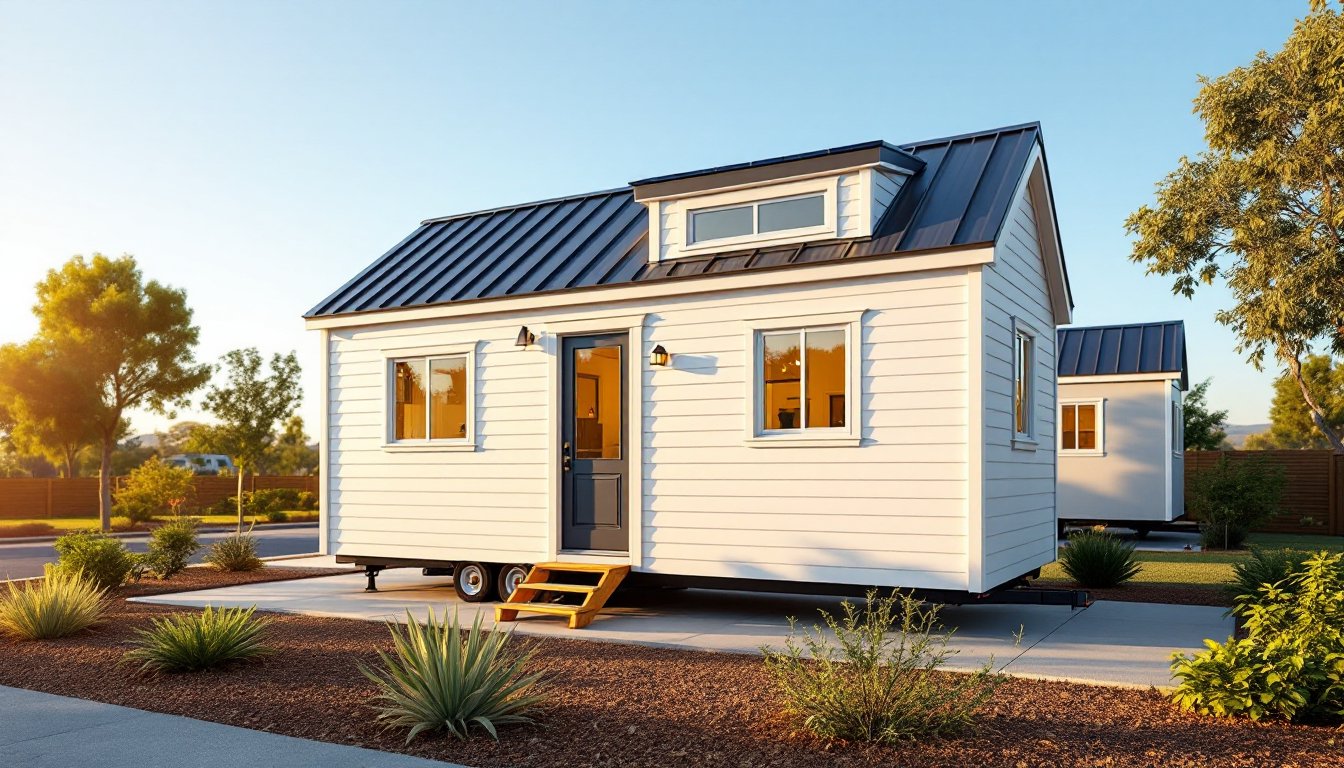
These tiny homes sit on trailers, making them mobile. THOWs bypass some building codes by classifying as RVs. They offer flexibility for owners who want to relocate. But, they require a suitable towing vehicle and face parking restrictions in many areas.
Foundation-Built Tiny Homes
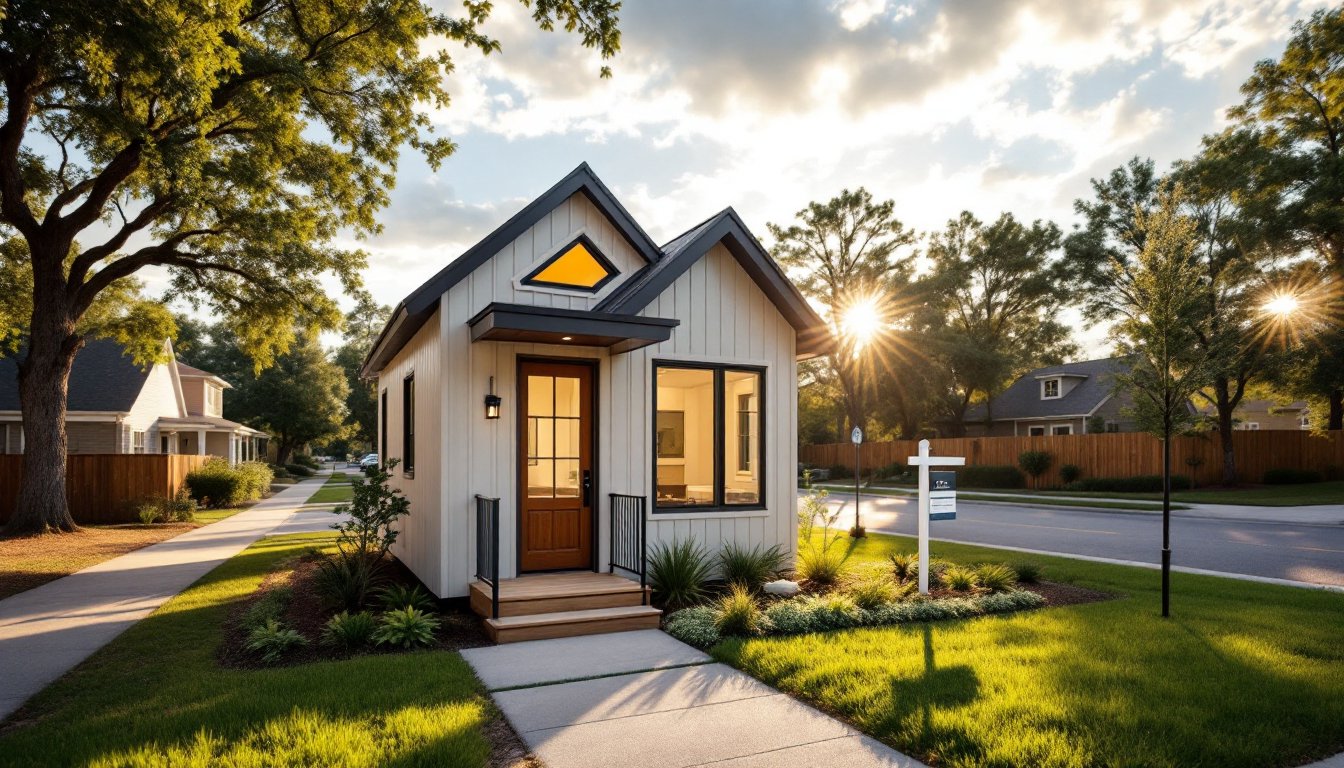
These structures rest on permanent foundations like traditional houses. They must meet local building codes and zoning requirements. Foundation-built tiny homes often qualify for traditional financing and appreciate in value like conventional real estate.
Shipping Container Homes
Converted shipping containers provide a sturdy, affordable base for tiny homes. They’re durable, weather-resistant, and stackable for multi-level designs. Container homes work well for industrial-style aesthetics but require insulation and ventilation modifications.
Accessory Dwelling Units (ADUs)
ADUs are small secondary homes built on existing residential properties. They function as guest houses, rental units, or independent living spaces. Many cities have relaxed ADU regulations to address housing shortages, making them an increasingly popular tiny home option.
Prefab and Kit Homes
Prefabricated tiny homes arrive partially or fully assembled. Kit homes provide all materials with detailed instructions for DIY builders. Both options reduce construction time and often cost less than custom builds.
How to Get Started With Tiny Home Living
Transitioning to a tiny home requires planning and preparation. Follow these steps to begin the journey.
Define your priorities. Determine what matters most, mobility, sustainability, cost savings, or location. These priorities will guide decisions about home type, size, and features.
Research local regulations. Contact local zoning offices to understand what’s permitted. Look into tiny home communities, RV parks that allow long-term stays, or rural properties with fewer restrictions.
Set a realistic budget. Account for the home itself, land or lot rental, utilities, and any necessary customizations. Include a buffer for unexpected expenses.
Decide between buying and building. Purchasing a pre-built tiny home saves time but limits customization. Building allows complete control over design but requires more effort, skill, or contractor costs.
Downsize possessions. Start decluttering months before the move. Sell, donate, or store items that won’t fit in a tiny home. This process helps determine what’s truly essential.
Visit tiny homes in person. Tour tiny home communities or attend open houses. Spending time in small spaces reveals whether the lifestyle feels comfortable. Talk to current tiny home residents about their experiences.