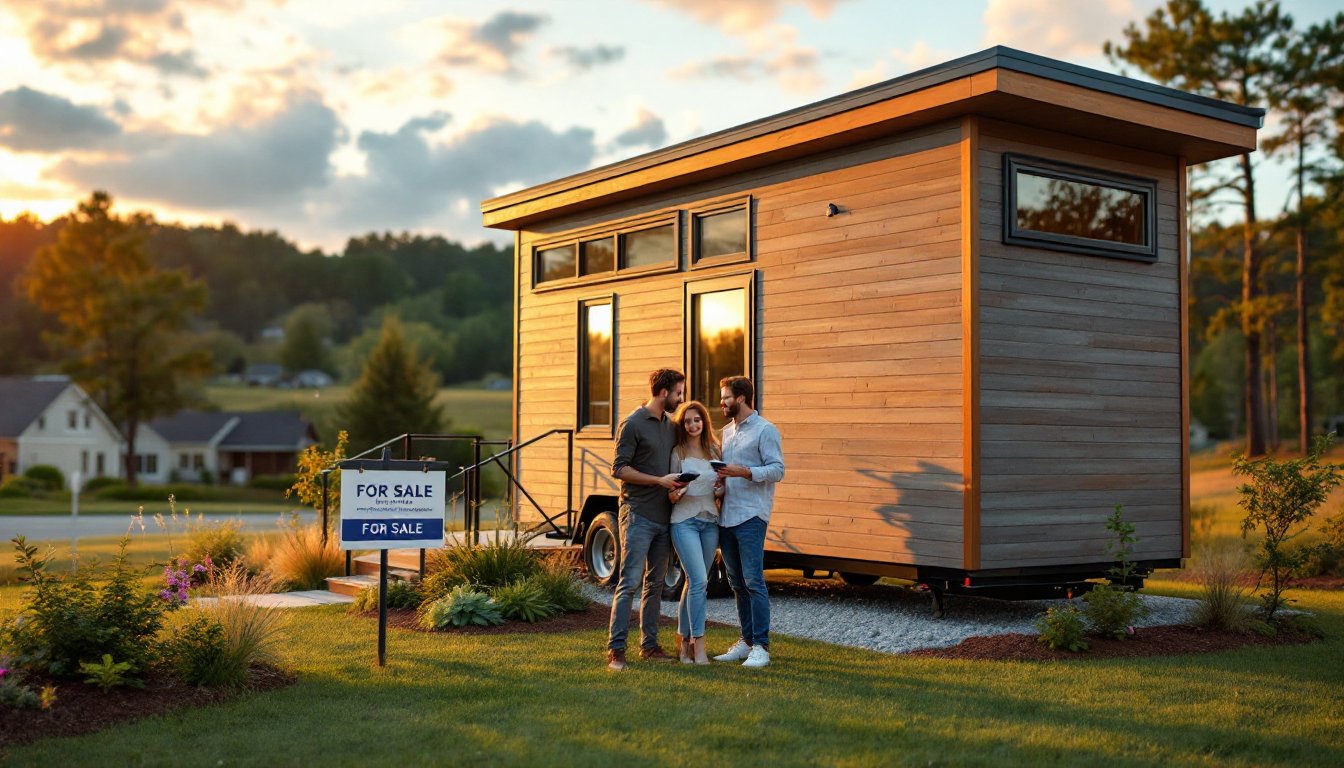
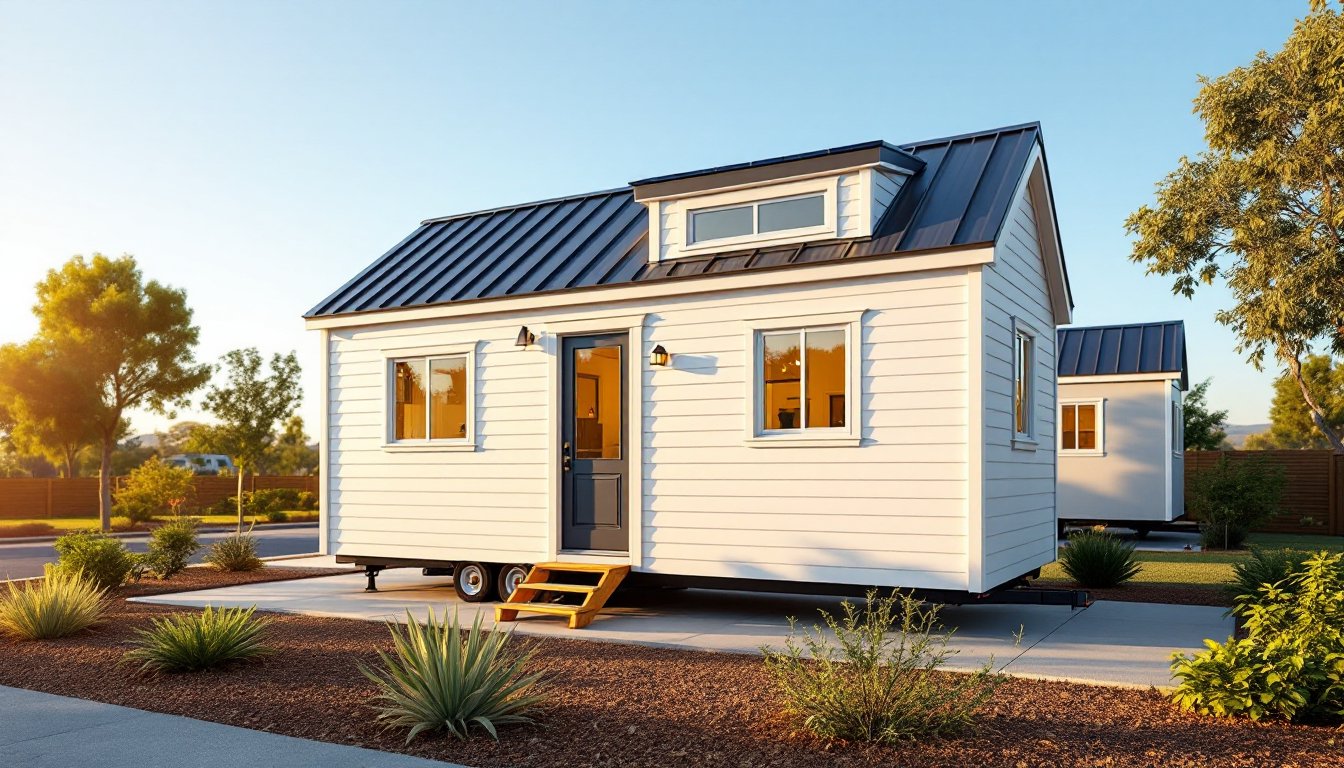
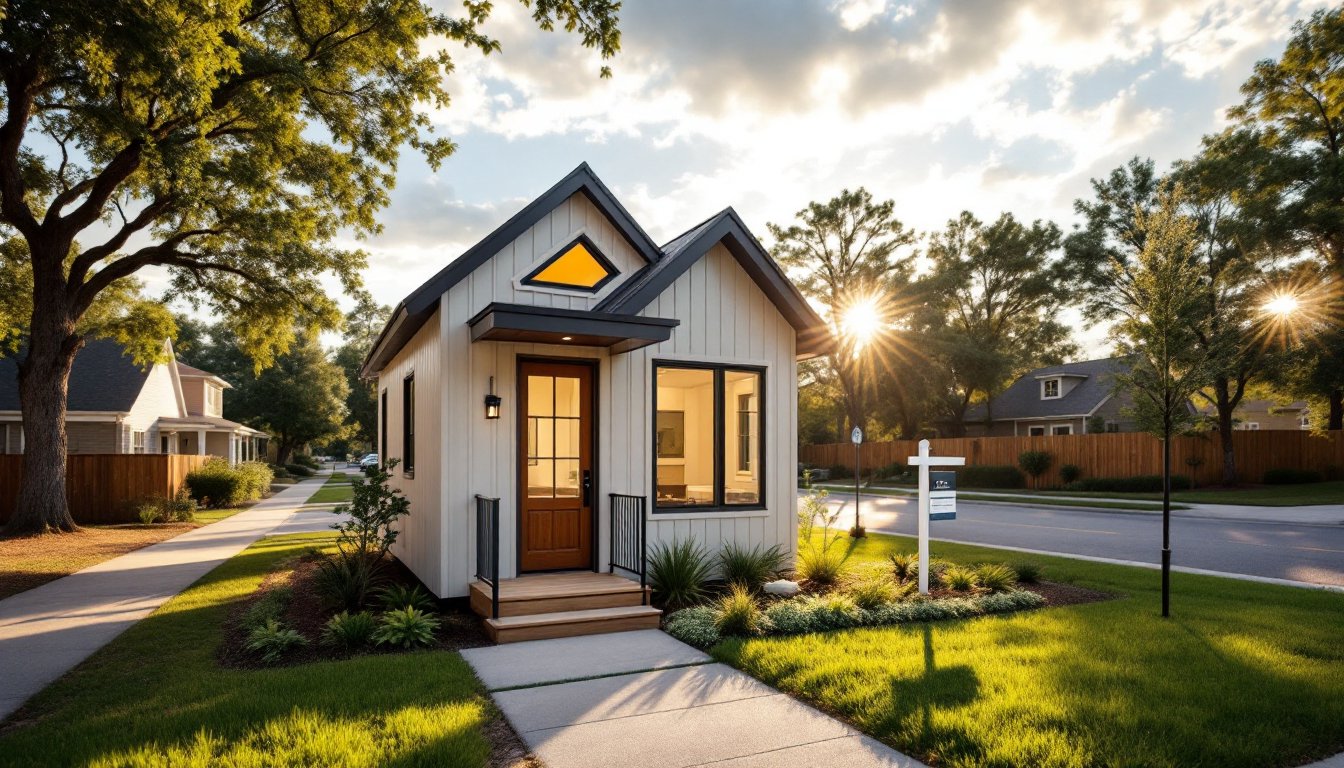
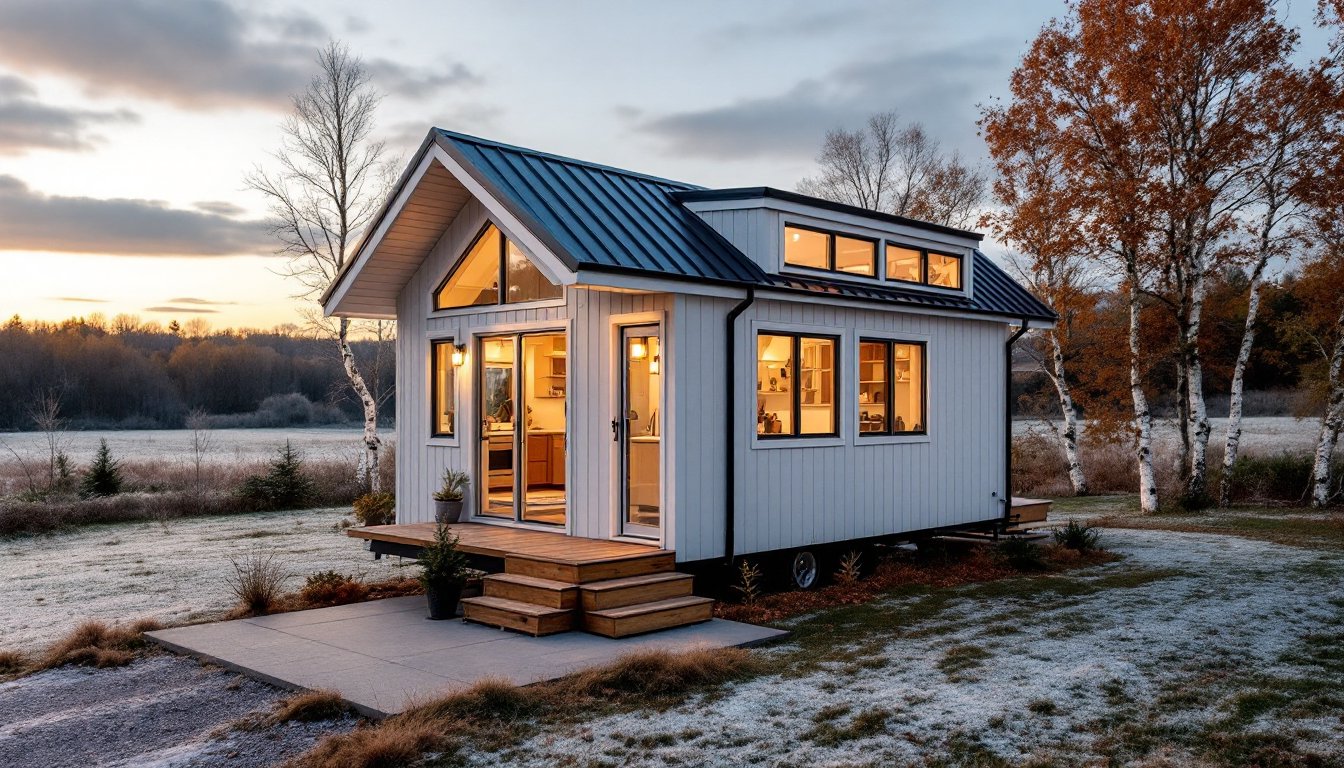
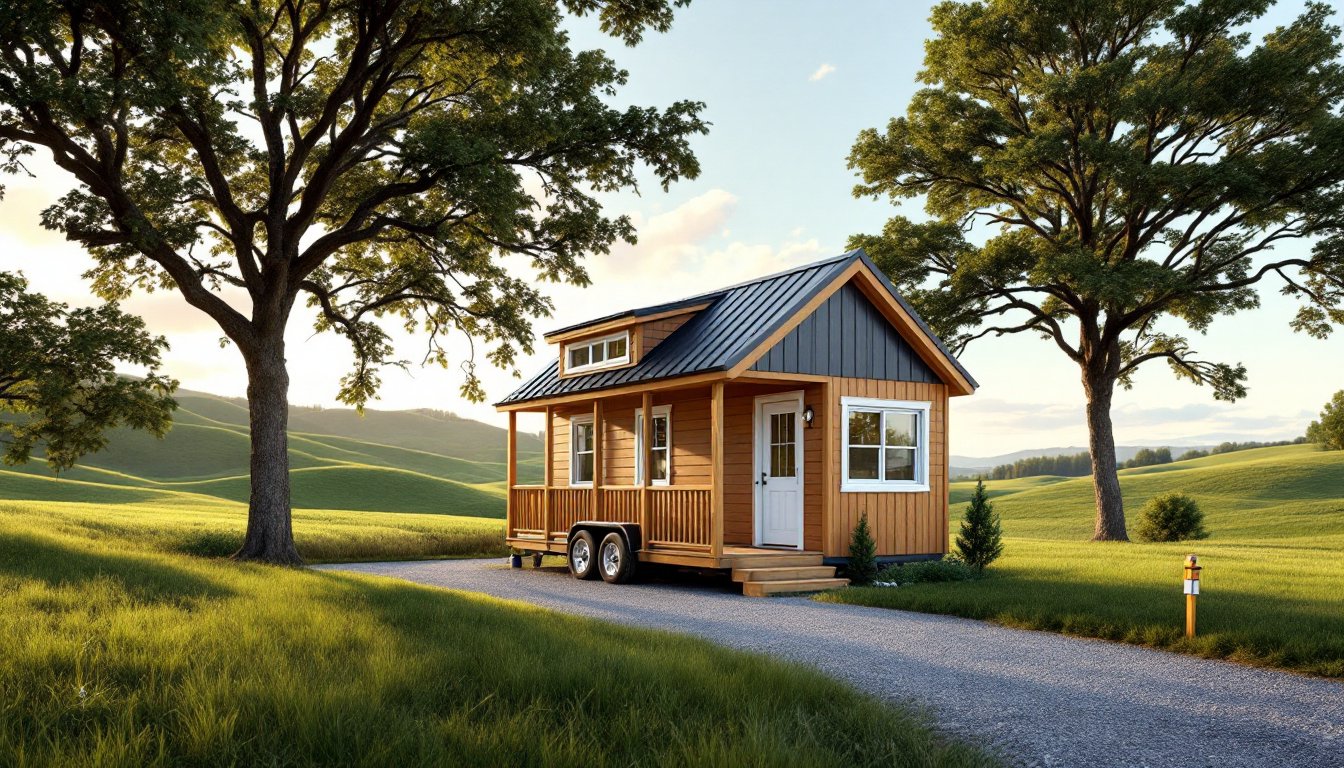
This tiny homes guide covers everything from definitions to practical considerations for downsizing. Tiny homes have become a popular housing choice for people seeking financial freedom, environmental responsibility, and a simpler lifestyle. Whether someone wants to reduce expenses or minimize their carbon footprint, tiny homes offer real solutions. This guide breaks down what tiny homes are, their benefits, the different types available, and what to think about before making the move.
Table of Contents
ToggleKey Takeaways
- Tiny homes typically range from 100 to 400 square feet and cost between $30,000 and $60,000—a fraction of traditional housing prices.
- This tiny homes guide highlights five main types: tiny houses on wheels (THOWs), foundation-built homes, container homes, converted structures, and prefab options.
- Living in a tiny home reduces monthly expenses significantly, with utility bills often under $50 per month.
- Zoning laws vary widely by location, so researching local regulations is essential before purchasing or building a tiny home.
- Tiny home living encourages intentional minimalism, helping owners focus on experiences rather than material possessions.
- Test the lifestyle by renting a tiny home first—especially for couples or families adjusting to shared small spaces.
What Is a Tiny Home?
A tiny home is a small dwelling typically ranging from 100 to 400 square feet. These compact living spaces prioritize function over size. They contain all the essentials, a kitchen, bathroom, sleeping area, and living space, packed into a fraction of the square footage found in traditional houses.
The tiny homes movement started gaining momentum in the early 2000s. Economic uncertainty and rising housing costs pushed many people to reconsider what they actually need in a home. The answer, for thousands, turned out to be: not much.
Tiny homes differ from mobile homes or RVs in a few key ways. Most tiny homes are built to residential standards with permanent materials. Many sit on trailers for mobility, but others rest on permanent foundations. The construction quality often matches or exceeds that of conventional homes.
People choose tiny homes for different reasons. Some want to own their home outright without a 30-year mortgage. Others prioritize travel and flexibility. A growing number simply want less stuff and more experiences. Whatever the motivation, tiny homes provide an alternative path to homeownership that traditional real estate rarely offers.
Benefits of Living in a Tiny Home
The financial benefits of tiny homes stand out immediately. The average tiny home costs between $30,000 and $60,000. Compare that to the median U.S. home price of over $400,000, and the math speaks for itself. Lower purchase prices mean smaller loans, or no loans at all. Monthly expenses drop significantly too. Utility bills for a tiny home often run under $50 per month.
Environmental impact matters to many tiny home owners. Smaller spaces require less energy for heating and cooling. Fewer materials go into construction. Many tiny homes incorporate solar panels, composting toilets, and rainwater collection systems. The reduced footprint extends beyond just square footage.
Tiny homes encourage intentional living. With limited space, every item must earn its place. This mindset shift leads many owners to spend less on material goods and more on experiences. The forced minimalism often results in less stress and more clarity about personal priorities.
Mobility offers another advantage for those with tiny homes on wheels. Job opportunities in another state? Just hitch up and go. Want to spend winters in Arizona and summers in Colorado? Tiny homes make that lifestyle accessible without maintaining multiple properties.
Maintenance drops considerably with less space to care for. Cleaning takes minutes, not hours. Repairs cost less. Property taxes stay low or disappear entirely for mobile units. This tiny homes guide wouldn’t be complete without mentioning how much time people reclaim when they stop maintaining 2,000 square feet.
Types of Tiny Homes to Consider
Tiny Houses on Wheels (THOWs)
These are the most recognizable type. Built on trailers, they offer mobility and often bypass certain zoning restrictions. THOWs typically range from 100 to 300 square feet. They work well for people who value flexibility or live in areas with strict building codes for small structures.
Foundation-Built Tiny Homes
These permanent structures sit on traditional foundations. They qualify as standard residential construction in most areas. Foundation-built tiny homes often have slightly more square footage, up to 500 square feet, and may appreciate in value like conventional real estate.
Container Homes
Shipping containers provide sturdy, affordable building materials. A single 20-foot container offers about 160 square feet. Multiple containers can combine for larger layouts. Container homes appeal to those who appreciate industrial aesthetics and sustainable repurposing.
Converted Structures
Some tiny home enthusiasts convert existing structures. School buses become “skoolies.” Vans transform into mobile living spaces. Sheds, garages, and even grain silos have become tiny homes. These conversions often cost less than new construction but require more DIY skills.
Prefab Tiny Homes
Factory-built tiny homes arrive ready for installation. Companies ship them directly to a buyer’s land. Prefab options reduce construction time from months to weeks. Quality control tends to be consistent since production happens in controlled environments. This tiny homes guide recommends prefab options for those who want predictable costs and timelines.
Key Considerations Before Going Tiny
Zoning laws create the biggest hurdle for many tiny home hopefuls. Not every municipality allows tiny homes. Some areas classify them as accessory dwelling units. Others prohibit structures under certain square footage minimums. Research local regulations before purchasing or building. A few states, including Oregon, California, and Colorado, have passed legislation making tiny homes easier to place legally.
Financing tiny homes differs from traditional mortgages. Most banks don’t offer conventional loans for homes under 400 square feet. Personal loans, RV loans, or builder financing often fill the gap. Interest rates may run higher than standard mortgages. Many buyers save up and pay cash to avoid financing entirely.
Storage requires creative solutions. Owners must evaluate their belongings honestly. That holiday decoration collection? It won’t fit. Books, clothes, kitchen gadgets, everything gets scrutinized. Most tiny home residents report a purging period of six months to a year before fully adjusting.
Relationships face new pressures in small spaces. Couples or families considering tiny homes should test the arrangement first. Renting a tiny home for a week or month reveals whether the lifestyle suits everyone involved. Personal boundaries become important when private space shrinks.
Climate affects tiny home livability significantly. Extreme cold or heat challenges small-space temperature regulation. Insulation quality matters more than in larger homes. Those planning to live in harsh climates should invest in proper climate control systems from the start.