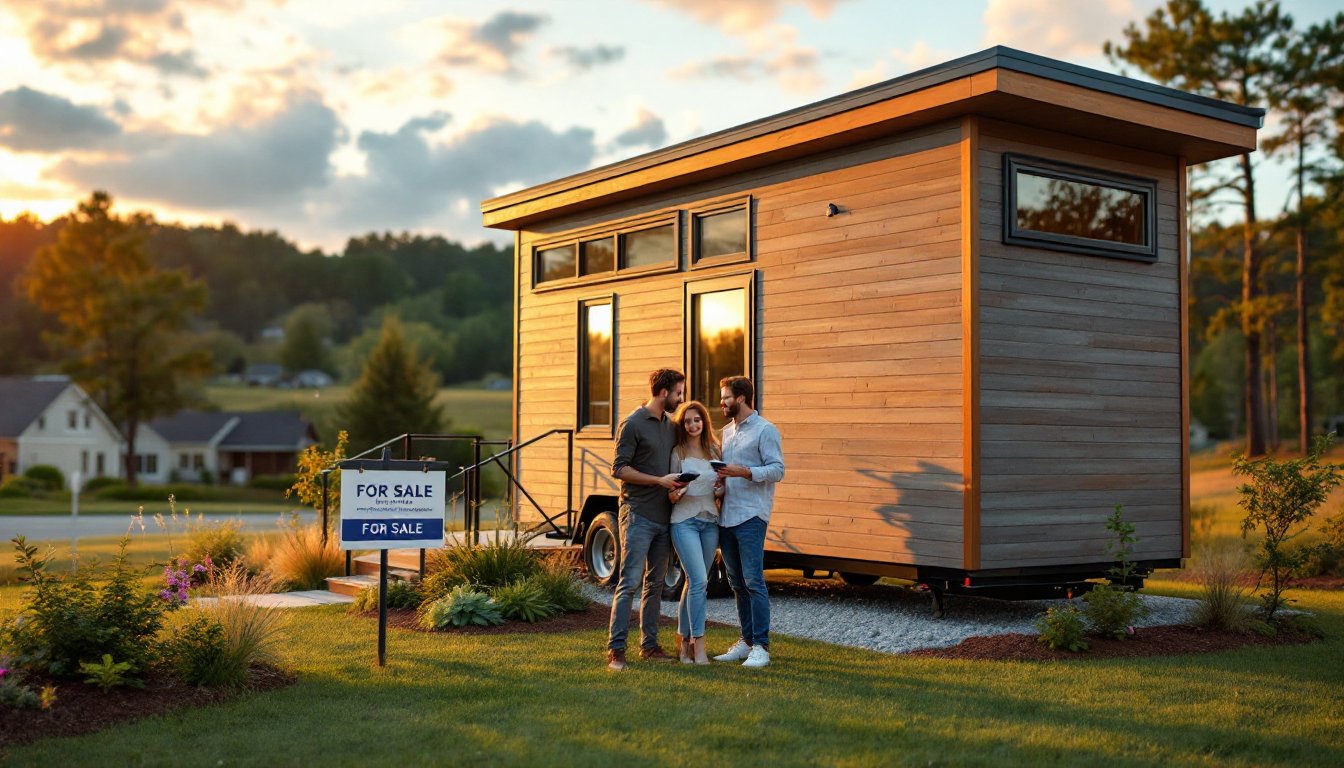
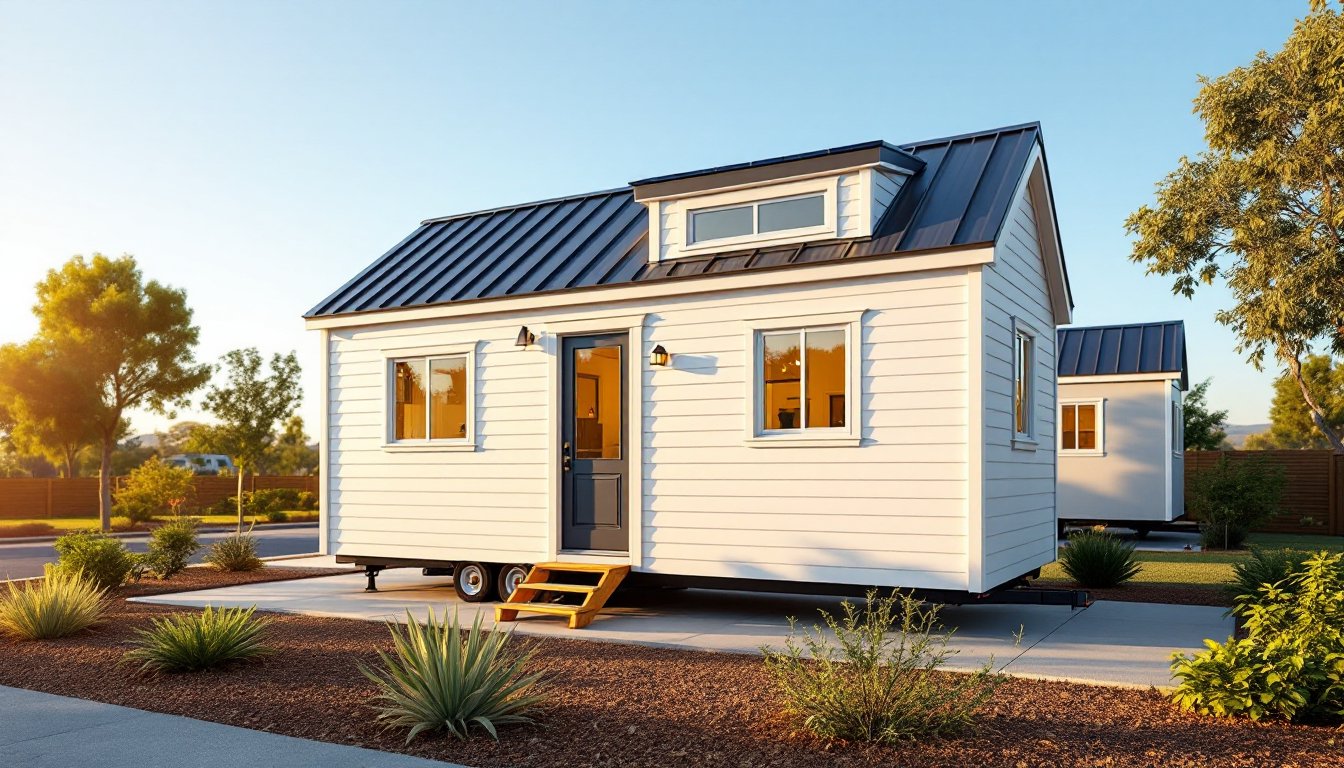
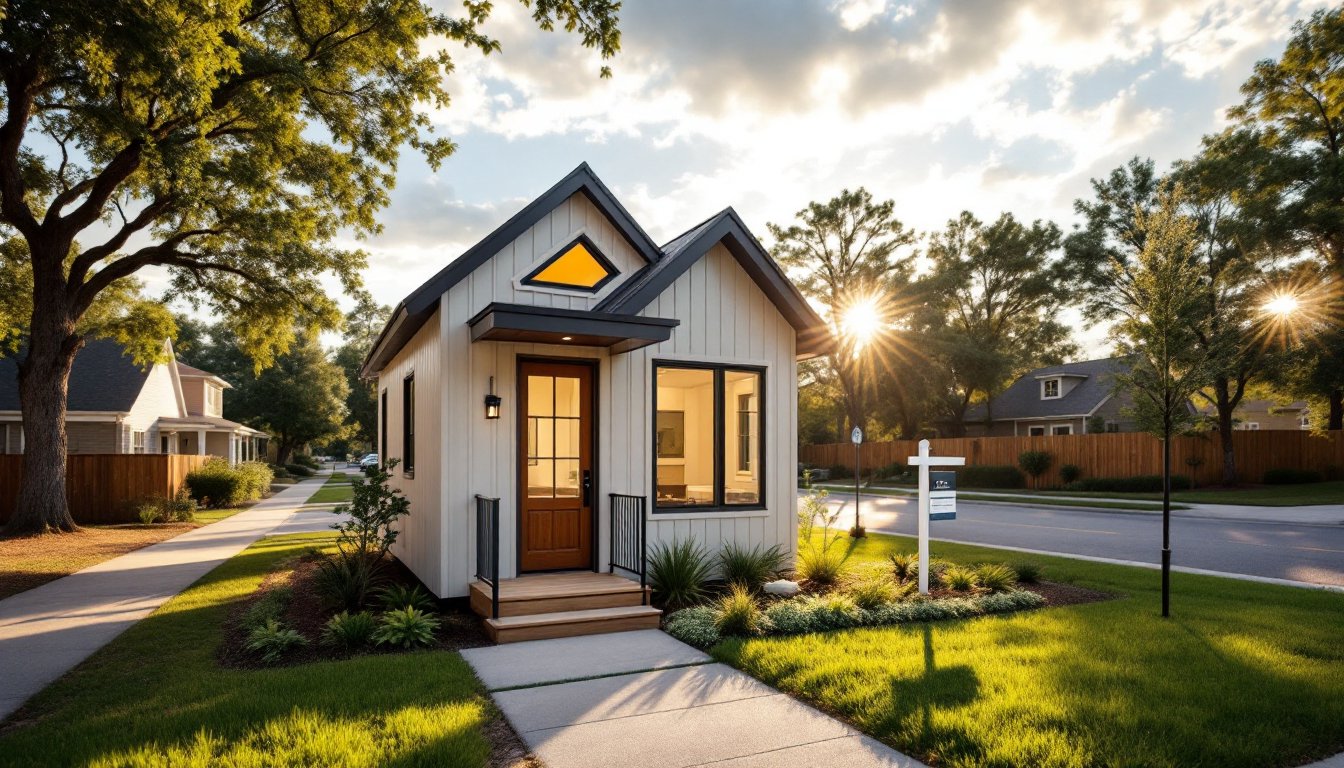
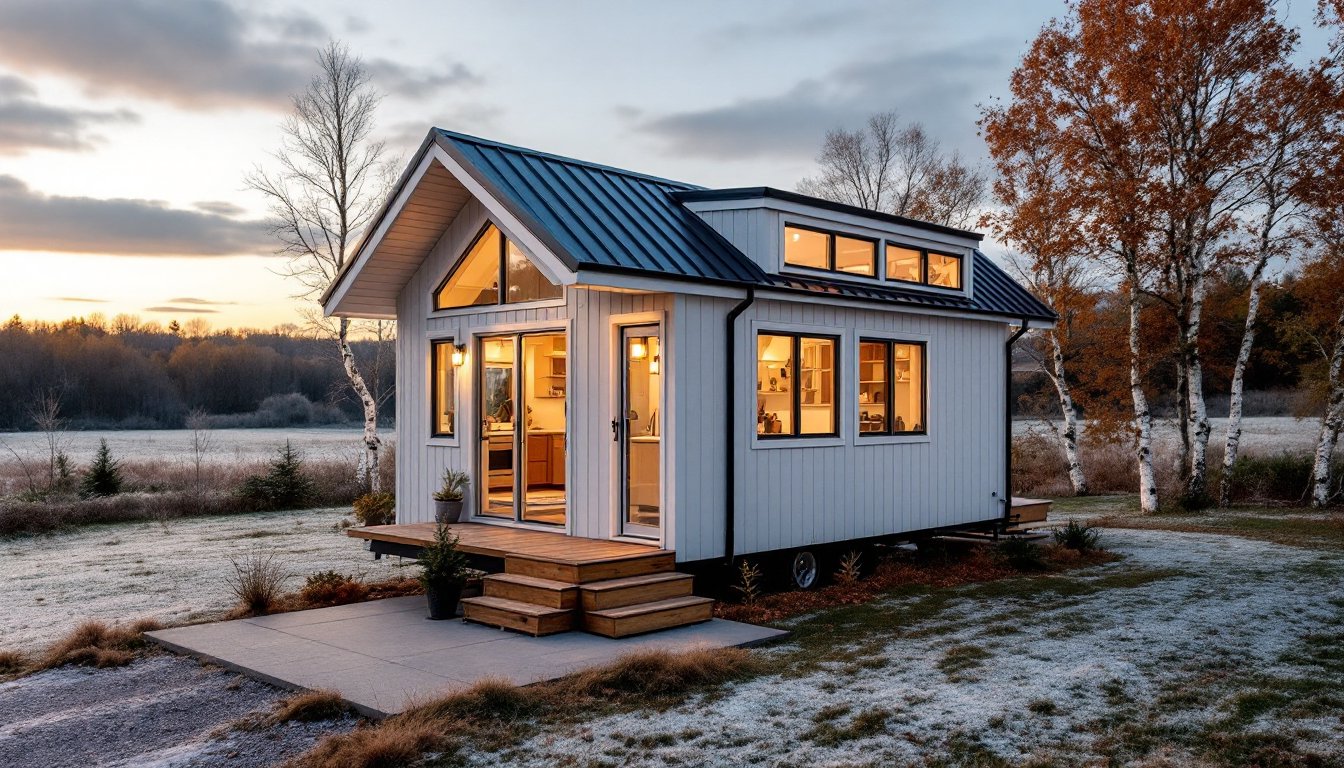
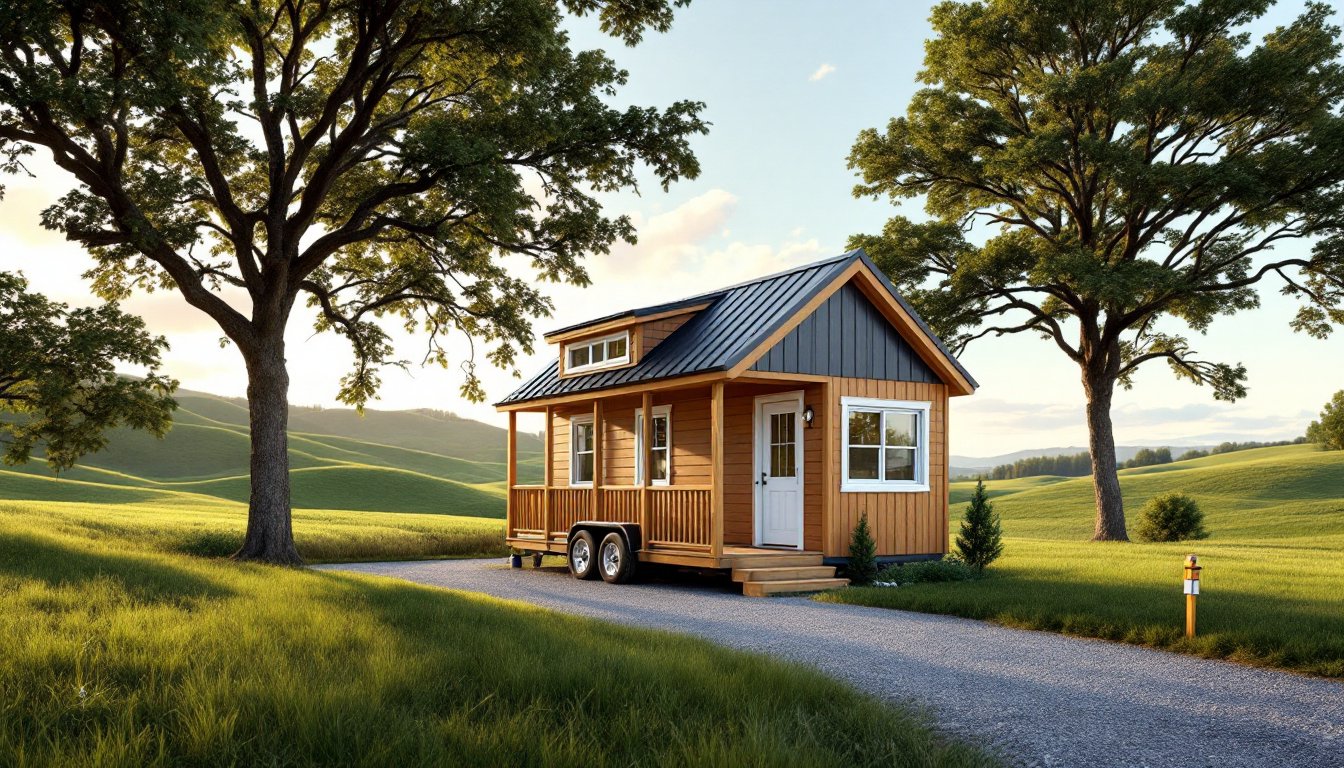
Tiny homes examples show just how creative compact living can be. These small dwellings, typically under 400 square feet, offer freedom from large mortgages, lower utility bills, and a simpler lifestyle. Whether someone dreams of a sleek modern box or a cozy cabin on wheels, tiny homes prove that less space doesn’t mean less style.
The tiny home movement has grown steadily over the past decade. More people want affordable housing, environmental sustainability, and the ability to live with intention. From converted shipping containers to luxury micro-mansions, there’s a tiny home design for almost every taste and budget. This guide explores the most inspiring tiny homes examples across different styles, showing what’s possible when creativity meets compact living.
Table of Contents
ToggleKey Takeaways
- Tiny homes examples range from modern minimalist designs to rustic cabins, container conversions, and luxury micro-mansions—proving compact living suits every style and budget.
- Most tiny homes are under 400 square feet and cost between $30,000 and $150,000, with luxury versions exceeding $300,000 for premium finishes.
- Tiny homes on wheels offer unmatched flexibility, allowing owners to relocate freely while bypassing some zoning restrictions.
- Container homes and bus conversions (skoolies) repurpose existing structures, appealing to eco-conscious buyers who value sustainability and creativity.
- Luxury tiny homes examples feature high-end amenities like smart home technology, marble countertops, and solar panels without sacrificing comfort.
- The tiny home movement continues to grow as more people seek affordable housing, environmental sustainability, and intentional living.
Modern Minimalist Tiny Homes
Modern minimalist tiny homes embrace clean lines, neutral colors, and functional design. These tiny homes examples focus on open floor plans that make small spaces feel larger. Large windows flood interiors with natural light, while built-in storage keeps clutter hidden.
A popular example is the Alpha Tiny Home by New Frontier Design. This 240-square-foot dwelling features a gable roof, white oak interiors, and floor-to-ceiling windows. The kitchen includes full-size appliances even though the limited footprint. Every inch serves a purpose.
Another standout is the SHED Tiny House by Seattle-based architects. It uses a monochromatic palette with pops of warm wood. The living area doubles as a guest room with a Murphy bed. Sliding barn doors separate spaces without eating up square footage.
Minimalist tiny homes often cost between $50,000 and $100,000, depending on materials and finishes. They appeal to young professionals, remote workers, and anyone who values aesthetics alongside efficiency. These designs prove that tiny homes examples don’t need excess to feel complete.
Rustic and Cabin-Style Tiny Homes
Rustic and cabin-style tiny homes bring warmth through natural materials and traditional craftsmanship. These tiny homes examples use reclaimed wood, stone accents, and pitched roofs to create cozy retreats. They fit well in rural settings, mountain communities, or wooded lots.
The Escape Traveler is a well-known cabin-style tiny home. At 269 square feet, it features cedar siding, a vaulted ceiling, and a loft bedroom with exposed beams. A wood-burning stove provides heat and ambiance during cold months.
Another example is the Getaway cabins scattered across the United States. These 160-square-foot structures offer a rustic escape with large windows facing nature. They’re designed for weekend retreats but could work as full-time residences with minor adjustments.
Rustic tiny homes often incorporate salvaged materials, reducing costs and environmental impact. Builders source barn wood, antique fixtures, and hand-forged hardware. Prices range from $40,000 to $80,000 for DIY builds, while custom versions can exceed $120,000. These tiny homes examples appeal to nature lovers and those who want a slower pace of life.
Tiny Homes on Wheels
Tiny homes on wheels offer mobility and flexibility that stationary structures can’t match. These tiny homes examples sit on trailers, allowing owners to relocate without selling property. They bypass some zoning restrictions that apply to permanent buildings.
The Tumbleweed Elm is a classic example. This 117-square-foot home on wheels includes a kitchen, bathroom, and sleeping loft. It weighs under 10,000 pounds, making it towable by most trucks. Owners can move between RV parks, private land, or temporary job sites.
The Vista by Escape Homes stretches larger at 400 square feet. It features a gooseneck trailer design with a bedroom over the hitch. The main floor holds a full kitchen, living area, and bathroom with a soaking tub. Large windows on all sides create panoramic views wherever it parks.
Tiny homes on wheels typically cost $30,000 to $90,000. They require consideration of weight limits, road regulations, and parking legality. Some states classify them as RVs, while others treat them as mobile homes. Even though these challenges, wheeled tiny homes examples remain popular among travelers, seasonal workers, and adventure seekers.
Container and Converted Tiny Homes
Container and converted tiny homes repurpose existing structures into livable spaces. Shipping containers provide a sturdy steel shell that resists weather and pests. Other conversions transform buses, vans, and even grain silos into unique dwellings.
The Quik House by Adam Kalkin uses three shipping containers to create a 2,000-square-foot home. It opens dramatically with garage-style doors, blending indoor and outdoor living. For true tiny living, single-container homes offer 160 to 320 square feet of space.
Bus conversions, called “skoolies”, have gained popularity on social media. A retired school bus can become a 200-square-foot home with a bedroom, kitchen, and bathroom. The curved ceiling and existing windows give these tiny homes examples a distinct character. Conversion costs range from $10,000 for DIY projects to $50,000 for professional builds.
Container homes typically run $25,000 to $75,000 for basic setups. High-end versions with custom insulation, windows, and finishes can reach $150,000. These tiny homes examples attract environmentally conscious buyers who value recycling and creativity.
Luxury Tiny Homes With High-End Features
Luxury tiny homes prove that small doesn’t mean sacrificing comfort. These tiny homes examples include premium appliances, custom millwork, and smart home technology. They cater to buyers who want quality over quantity.
The Orchid by New Frontier Design exemplifies high-end tiny living. This 330-square-foot home features Carrera marble countertops, a soaking tub, and a chef-quality range. Automated lighting and climate control respond to voice commands. The price tag exceeds $200,000, but the finishes rival any full-size luxury home.
Escala’s Alpha 24 targets professionals who work remotely. It includes a dedicated office nook, high-speed internet infrastructure, and acoustic panels for video calls. The bedroom loft offers a king-size mattress with skylight views.
Luxury tiny homes often incorporate sustainable features alongside premium materials. Solar panels, rainwater collection, and composting toilets reduce environmental footprints. High-efficiency windows and insulation minimize energy costs. Prices for luxury tiny homes examples start around $100,000 and climb past $300,000 for fully custom builds. They attract executives, retirees, and anyone who refuses to compromise on quality even though choosing compact living.