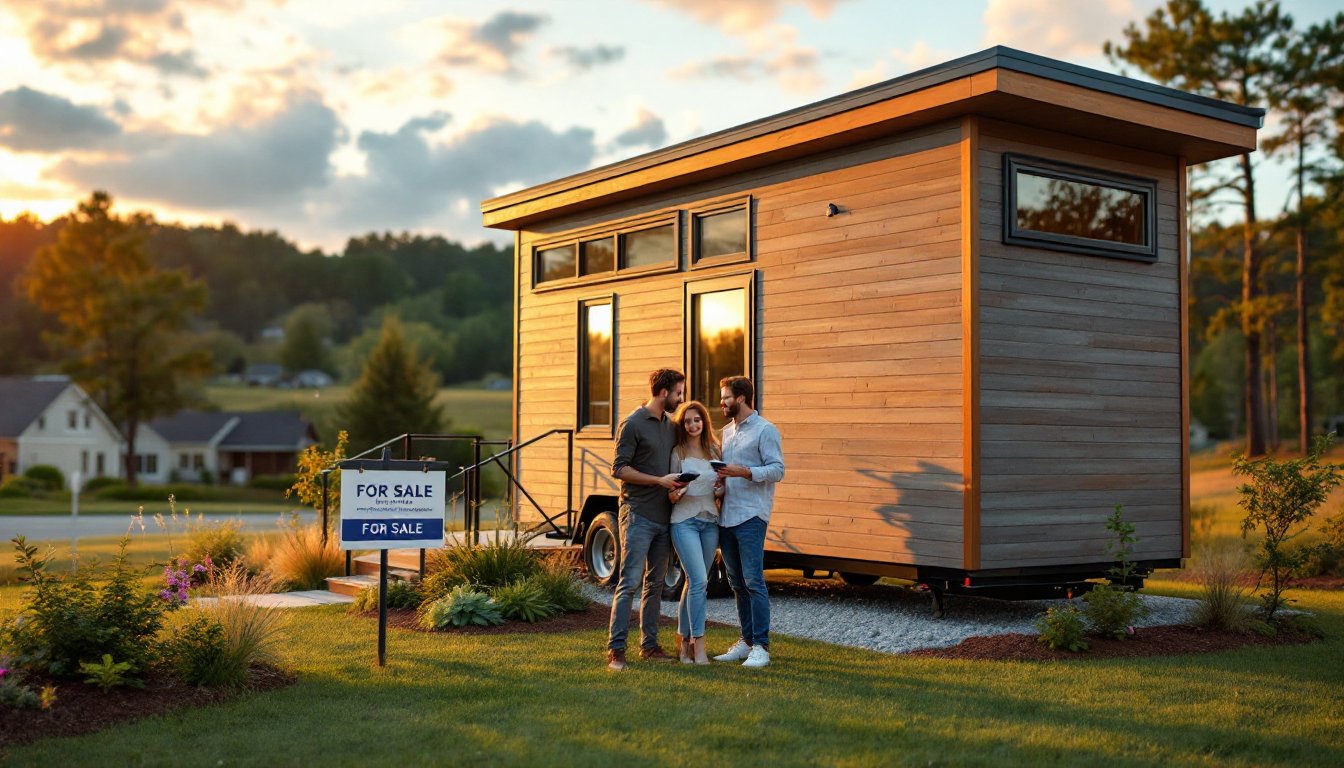
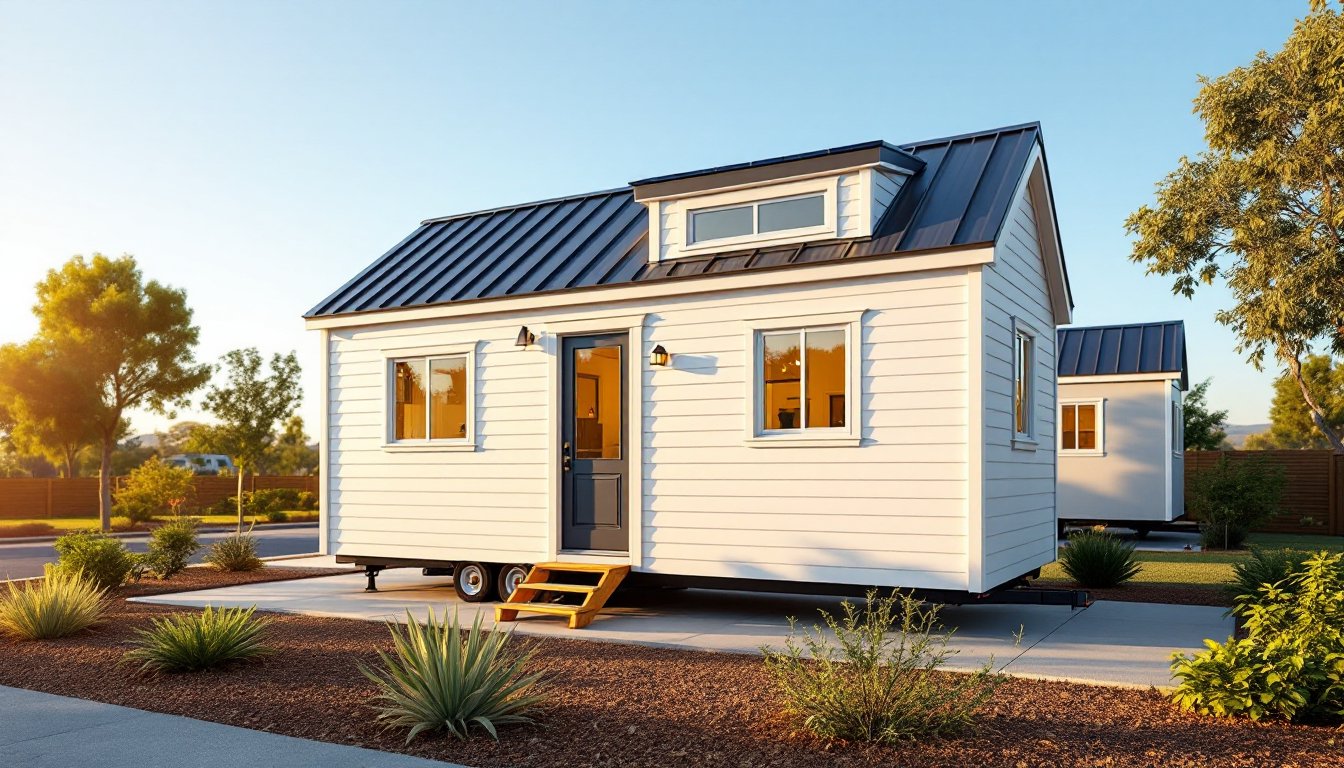
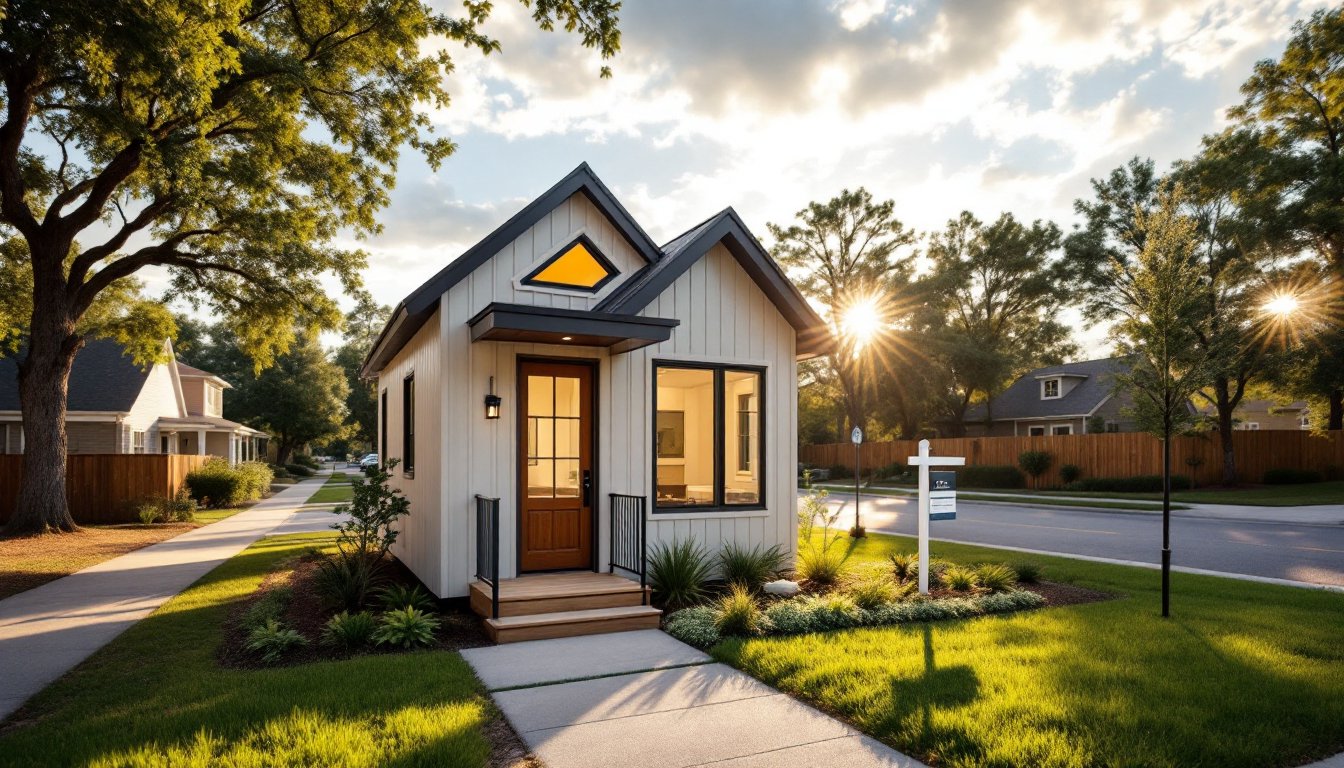
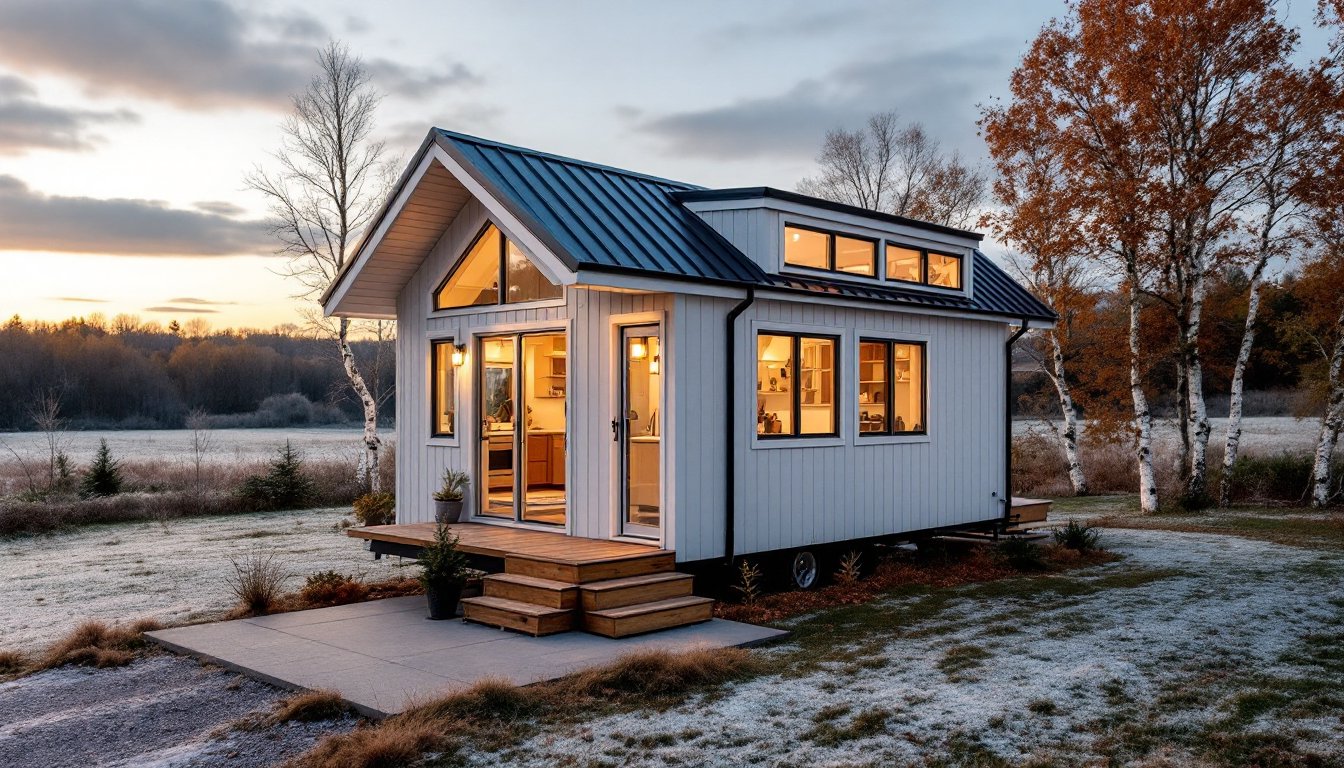
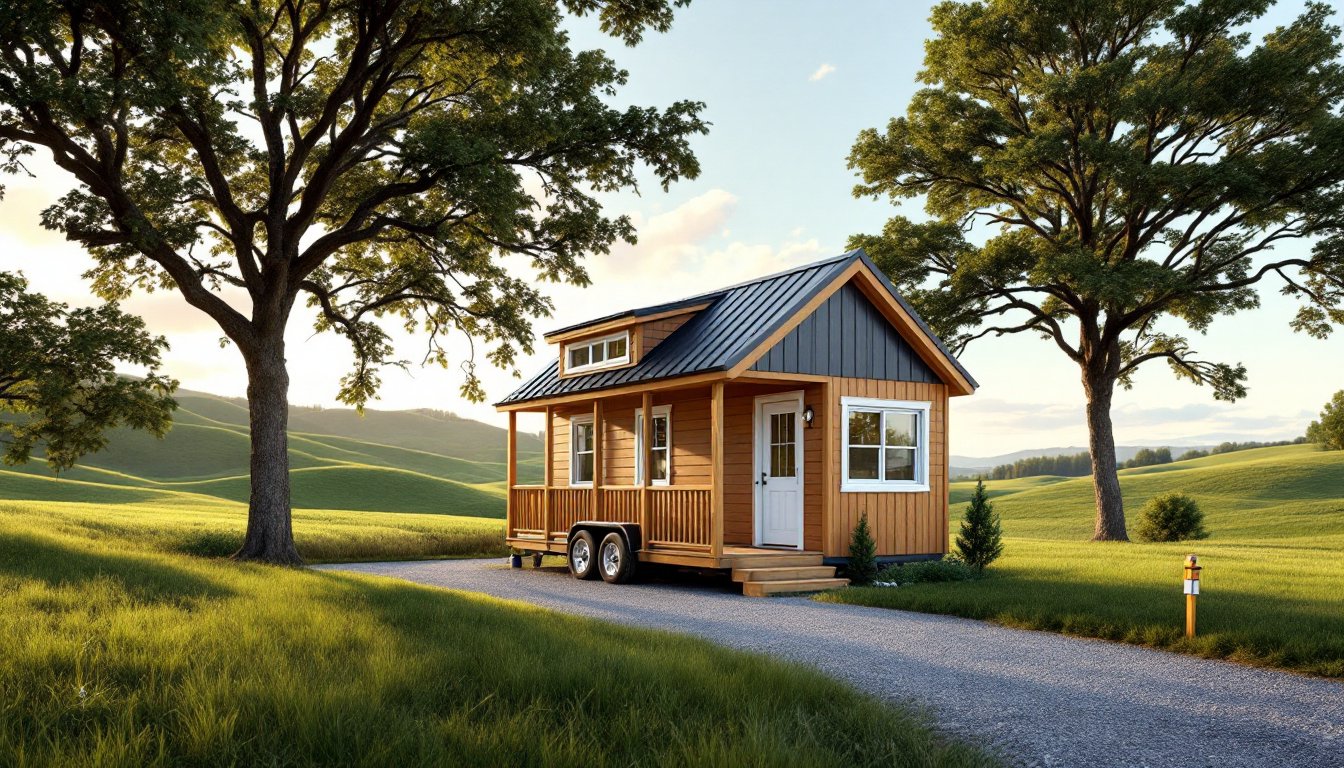
The best tiny homes offer more than just a smaller footprint. They deliver smart design, efficient use of space, and surprising comfort in packages under 400 square feet. Whether someone wants to downsize, reduce housing costs, or live more sustainably, tiny homes have become a legitimate housing option in 2025.
This guide covers what separates a great tiny home from a mediocre one, highlights models worth serious consideration, and breaks down the key decisions buyers face. From prefab options to custom builds, and from budget basics to premium features, here’s everything needed to make an informed choice.
Table of Contents
ToggleKey Takeaways
- The best tiny homes combine quality construction, smart space design, natural light, and energy efficiency in under 400 square feet.
- Top tiny home models range from budget-friendly prefab kits under $20,000 to premium custom builds exceeding $150,000.
- Prefab tiny homes offer faster production and lower costs, while custom builds provide complete control over layout and materials.
- Budget for additional costs beyond the purchase price, including land, site preparation, delivery, permits, and furnishings.
- For most buyers, the best tiny homes fall in the $60,000 to $120,000 range, balancing solid construction with reasonable pricing.
- Secure financing early through RV loans, personal loans, or manufacturer programs since traditional mortgages rarely cover tiny homes.
What Makes a Great Tiny Home
Not all tiny homes are created equal. The best tiny homes share several key characteristics that separate them from cramped, poorly designed alternatives.
Quality Construction
A great tiny home starts with solid construction. This means weather-resistant materials, proper insulation, and structural integrity that holds up during transport and over time. Buyers should look for homes built to RVIA (Recreational Vehicle Industry Association) or IRC (International Residential Code) standards, depending on whether the home will be mobile or stationary.
Smart Space Design
Every square foot matters in a tiny home. The best designs use vertical space effectively, incorporate multi-functional furniture, and create flow between living areas. Look for features like lofted sleeping areas, fold-down tables, built-in storage, and full-size appliances where it counts.
Natural Light and Ventilation
Small spaces can feel cramped without adequate light and airflow. Top tiny homes include large windows, skylights, and strategic window placement that makes interiors feel open and bright.
Energy Efficiency
The best tiny homes minimize utility costs through quality insulation, energy-efficient windows, and options for solar power integration. Many buyers choose tiny homes specifically to reduce their environmental impact and monthly expenses.
Top Tiny Home Models Worth Considering
Several tiny home manufacturers have earned strong reputations for quality and design. Here are models that consistently receive positive reviews from owners.
Tumbleweed Tiny House Company – Cypress
Tumbleweed has been building tiny homes since 1999. Their Cypress model offers 269 square feet with a modern farmhouse aesthetic. It features a full kitchen, bathroom, and sleeping loft. Prices start around $89,000 for a base model.
Escape Traveler
The Escape Traveler packs a bedroom, bathroom, kitchen, and living space into roughly 300 square feet. Its steel frame and modern design make it popular among buyers seeking durability. Base prices begin near $75,000.
Mint Tiny House Company – Custom Builds
Mint specializes in custom tiny homes built in British Columbia. They offer both on-trailer and foundation options. Their attention to detail and use of quality materials has earned them a loyal following. Custom builds typically range from $90,000 to $150,000.
Amazon and Home Depot Prefab Options
For budget-conscious buyers, prefab tiny home kits from major retailers offer entry-level options. Companies like Allwood and Lillevilla sell DIY-assembly tiny homes starting under $20,000. These require more work but provide significant cost savings.
Boxabl Casita
Boxabl makes headlines with their foldable, factory-built Casita. At 375 square feet, it unfolds on-site and connects to utilities quickly. The $50,000 starting price and fast installation make it attractive, though waitlists remain long.
Prefab vs. Custom-Built Tiny Homes
Buyers face a fundamental choice between prefab (prefabricated) and custom-built tiny homes. Each approach has clear advantages.
Prefab Tiny Homes
Pros:
- Lower cost per square foot
- Faster production timeline (weeks vs. months)
- Consistent quality from factory conditions
- Easier financing through established manufacturers
Cons:
- Limited customization options
- Standard floor plans may not fit specific needs
- Less flexibility with materials and finishes
Prefab tiny homes work well for buyers who find a model that meets their needs and want predictable pricing. The best tiny homes from prefab manufacturers deliver quality at accessible price points.
Custom-Built Tiny Homes
Pros:
- Complete control over layout and features
- Choice of all materials and finishes
- Can accommodate unusual site requirements
- Opportunity to work directly with builders
Cons:
- Higher overall cost
- Longer build timeline
- More decisions required throughout the process
- Quality depends heavily on chosen builder
Custom builds suit buyers with specific requirements or those who want their tiny home to reflect personal style. Finding an experienced tiny home builder with a strong portfolio remains essential for this route.
Cost Considerations and Budget Planning
Understanding the full cost of tiny home ownership prevents surprises down the road.
Purchase Price Ranges
- DIY Kits: $10,000 – $30,000
- Budget Prefab: $30,000 – $60,000
- Mid-Range Prefab: $60,000 – $100,000
- Premium Prefab/Custom: $100,000 – $180,000+
The best tiny homes for most buyers fall in the $60,000 to $120,000 range, offering solid construction and thoughtful design without luxury-level pricing.
Beyond the Sticker Price
Buyers must budget for additional costs:
- Land: Purchasing or leasing a place to put the tiny home
- Site Preparation: Utilities hookup, foundation or pad, driveway access
- Delivery: Transport from manufacturer, often $3-10 per mile
- Permits and Inspections: Vary widely by location
- Furniture and Appliances: Some homes come furnished, many don’t
Financing Options
Traditional mortgages rarely cover tiny homes. Alternatives include:
- Personal loans
- RV loans (for RVIA-certified homes on wheels)
- Manufacturer financing programs
- Home equity loans (if buying land separately)
Buyers should secure financing before committing to a purchase. Interest rates and terms vary significantly between lenders familiar with tiny homes and those treating them as unusual purchases.