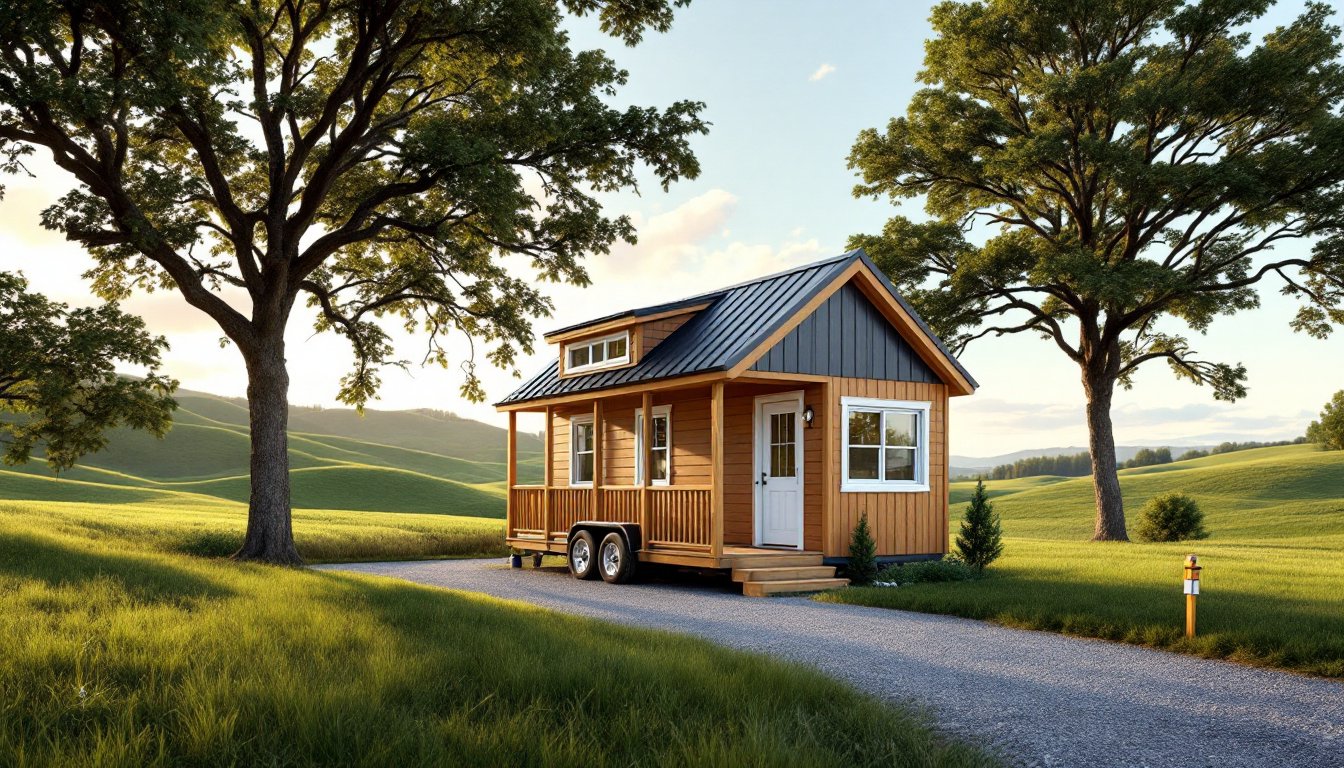
Tiny homes tips can transform a cramped 400-square-foot space into a functional, comfortable home. The tiny house movement has grown significantly in recent years, with thousands of Americans choosing smaller footprints for financial freedom, environmental reasons, or simply a simpler lifestyle. But living small requires smart planning. Without the right strategies, a tiny home can feel cluttered and frustrating rather than cozy and efficient.
This guide covers practical tiny homes tips that address the biggest challenges of small-space living. From storage solutions to furniture choices, lighting strategies to sustainable systems, these insights help tiny homeowners make the most of every square inch.
Table of Contents
ToggleKey Takeaways
- Maximize vertical space with lofted sleeping areas, ceiling-height shelving, and staircase storage to unlock hidden storage potential in tiny homes.
- Choose multi-functional furniture like Murphy beds, fold-down tables, and storage ottomans—every piece should serve at least two purposes.
- Prioritize natural light through large windows, skylights, and strategic mirror placement to make small spaces feel open and spacious.
- Embrace minimalism by applying the one-in-one-out rule, digitizing media, and regularly decluttering to keep your tiny home organized.
- Plan for sustainable living with solar panels, rainwater collection, low-flow fixtures, and proper insulation to reduce costs and environmental impact.
- These tiny homes tips help transform limited square footage into a comfortable, efficient living space that supports both function and well-being.
Maximize Vertical Space and Storage
One of the most important tiny homes tips involves looking up. Walls represent prime real estate in small spaces. Most tiny homeowners underuse their vertical space, leaving valuable storage potential untapped.
Install shelving that reaches close to the ceiling. High shelves work well for items used less frequently, seasonal clothing, extra linens, or rarely needed kitchen equipment. Lower shelves should hold everyday essentials for easy access.
Consider these vertical storage solutions:
- Lofted sleeping areas free up floor space for living and working
- Wall-mounted hooks and pegboards keep tools, bags, and accessories organized
- Tall, narrow cabinets store more than traditional low furniture
- Over-door organizers add storage without taking up floor space
Staircase storage offers another clever option. Many tiny home builders design stairs with built-in drawers or cabinets in each step. This approach turns otherwise wasted space into useful storage.
Magnetic strips on walls can hold knives, spice jars, and small metal tools. Tension rods under cabinets create hanging storage for spray bottles or small baskets. These tiny homes tips add up to significant space savings.
Choose Multi-Functional Furniture
Furniture selection makes or breaks tiny home living. Every piece should serve at least two purposes. Single-function furniture wastes precious square footage.
A Murphy bed folds against the wall during the day, creating room for a home office or exercise space. Some Murphy bed designs include built-in desks or sofas that swing down when the bed lifts up.
Other multi-functional furniture options include:
- Ottoman storage benches provide seating, footrests, and hidden storage
- Fold-down dining tables attach to walls and tuck away after meals
- Sofa beds accommodate overnight guests without a dedicated guest room
- Nesting tables stack together when not needed
Tiny homes tips often emphasize custom furniture. Built-in seating with storage underneath maximizes awkward corners. A window seat with lift-up cushions creates both a reading nook and linen storage.
Avoid bulky, oversized pieces. Furniture with exposed legs creates visual openness and makes rooms feel larger. Transparent or acrylic furniture, like ghost chairs, takes up physical space without visual weight.
Measure doorways and interior spaces before purchasing anything. Many tiny homeowners have learned the hard way that standard furniture simply doesn’t fit through narrow entries.
Prioritize Natural Light and Open Design
Light transforms how a tiny home feels. Dark, closed-off spaces feel cramped. Bright, open layouts feel surprisingly spacious even though limited square footage.
Large windows should top the priority list for anyone building or renovating a tiny home. Skylights bring light into lofted areas and central spaces that windows can’t reach. Glass doors, especially sliding options, connect interior spaces to outdoor areas visually.
Strategic mirror placement amplifies natural light. A large mirror opposite a window essentially doubles the light entering a room. Mirrored closet doors serve the same purpose while providing a functional dressing area.
These tiny homes tips address color and finish choices:
- Light wall colors reflect light and make walls recede
- White or light ceilings create a sense of height
- Glossy surfaces bounce light around the room
- Consistent flooring throughout prevents visual breaks that shrink spaces
Open floor plans work best in tiny homes. Avoid unnecessary walls between living, cooking, and dining areas. Half-walls or open shelving can define zones without blocking light or sightlines.
Sheer curtains allow privacy while maintaining brightness. Heavy drapes absorb light and make windows feel smaller than they are.
Declutter and Embrace Minimalism
Tiny home living demands honest assessment of belongings. Every item must earn its place. The most effective tiny homes tips focus on what to remove, not what to add.
Start with the one-in-one-out rule. When something new enters the home, something else leaves. This practice prevents gradual accumulation that overwhelms small spaces.
Digitize what can be digitized. Physical books, CDs, DVDs, and paper files consume significant space. E-readers, streaming services, and cloud storage eliminate the need for physical media collections.
Seasonal rotation keeps wardrobes manageable. Store off-season clothing in vacuum-sealed bags in hard-to-reach spaces. Keep only current-season items in accessible closets.
Question every item with these criteria:
- Has it been used in the past year?
- Does it serve multiple purposes?
- Does it bring genuine value or joy?
- Can it be borrowed or rented when needed instead of owned?
Many tiny homeowners report that decluttering feels liberating rather than restrictive. Less stuff means less cleaning, less organizing, and less mental clutter. These tiny homes tips extend beyond physical space to mental well-being.
Regular purges, monthly or quarterly, prevent accumulation from creeping back. Small spaces reveal clutter quickly, which actually helps maintain discipline.
Plan for Off-Grid and Sustainable Living
Many tiny homes operate partially or fully off-grid. Even grid-connected tiny homes benefit from sustainable systems that reduce utility costs and environmental impact.
Solar panels represent the most common off-grid power source. A typical tiny home needs 2-4 kilowatts of solar capacity, depending on energy consumption. Battery storage systems hold excess power for nighttime use and cloudy days.
Water systems require careful planning. These tiny homes tips address water management:
- Rainwater collection systems reduce reliance on municipal water
- Low-flow fixtures cut water consumption by 30-50%
- Composting toilets eliminate the need for septic systems or sewer connections
- Greywater systems reuse sink and shower water for irrigation
Propane powers many tiny home appliances. Propane refrigerators, stoves, and water heaters work efficiently without electrical demands. Some tiny homeowners use wood stoves for heating, which adds ambiance while reducing energy costs.
Insulation matters enormously in small spaces. Proper insulation keeps tiny homes comfortable year-round while minimizing heating and cooling needs. Spray foam insulation works well in tight spaces and provides excellent thermal performance.
Ventilation prevents moisture problems that plague poorly designed tiny homes. Bathroom and kitchen exhaust fans remove humid air. Operable windows allow cross-ventilation during mild weather.