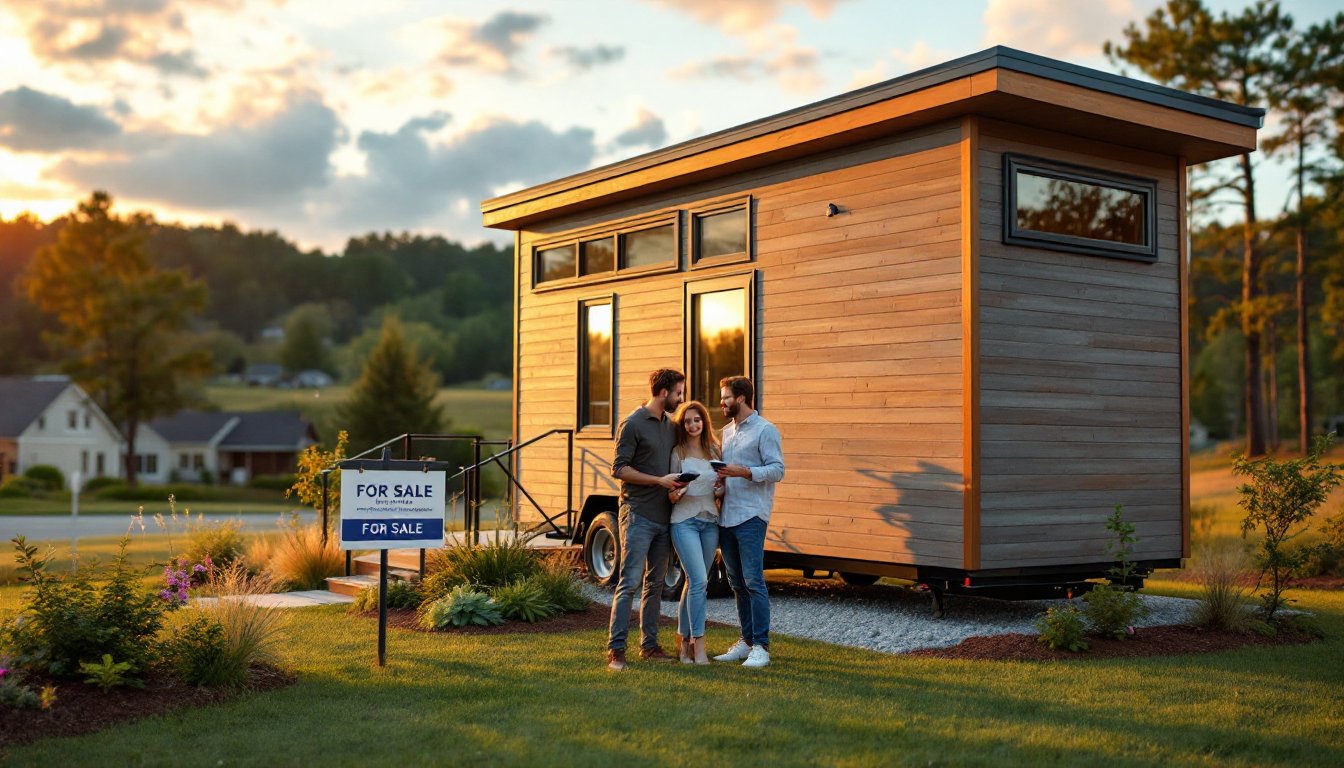
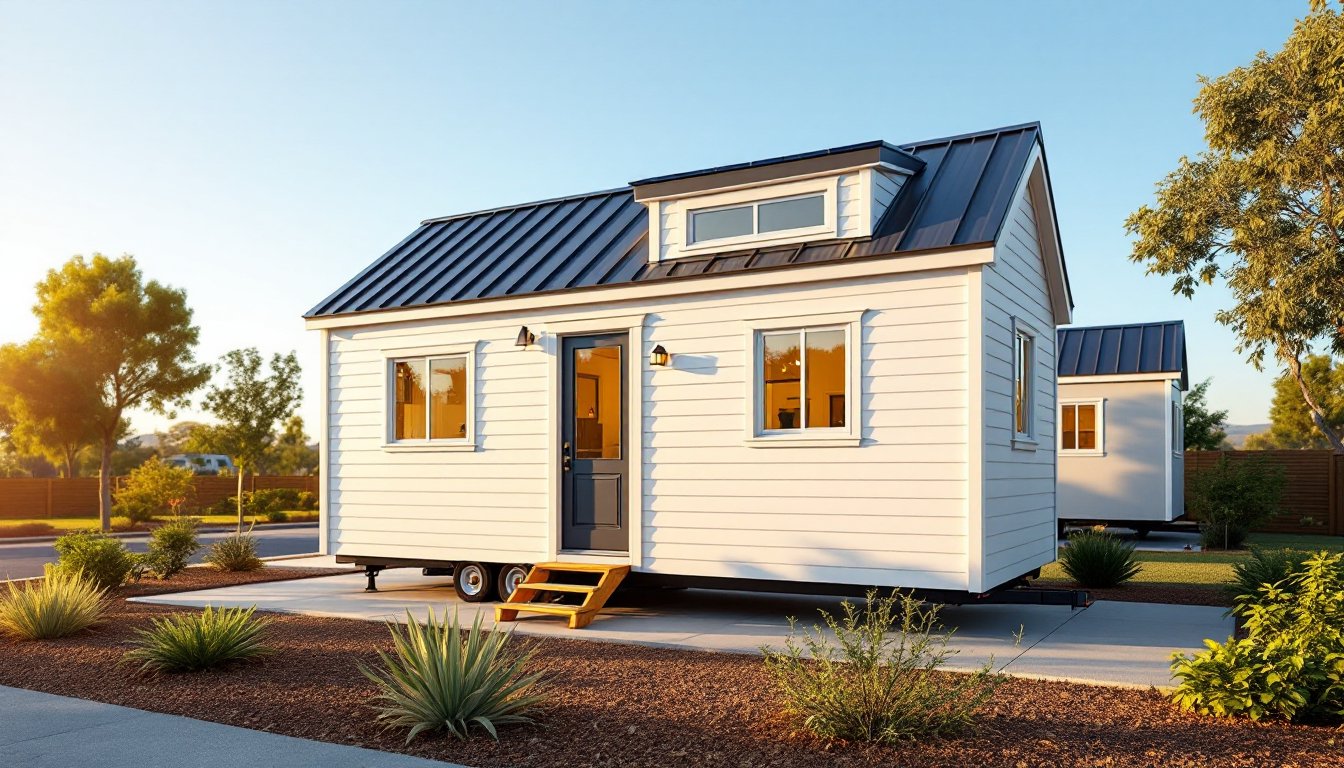
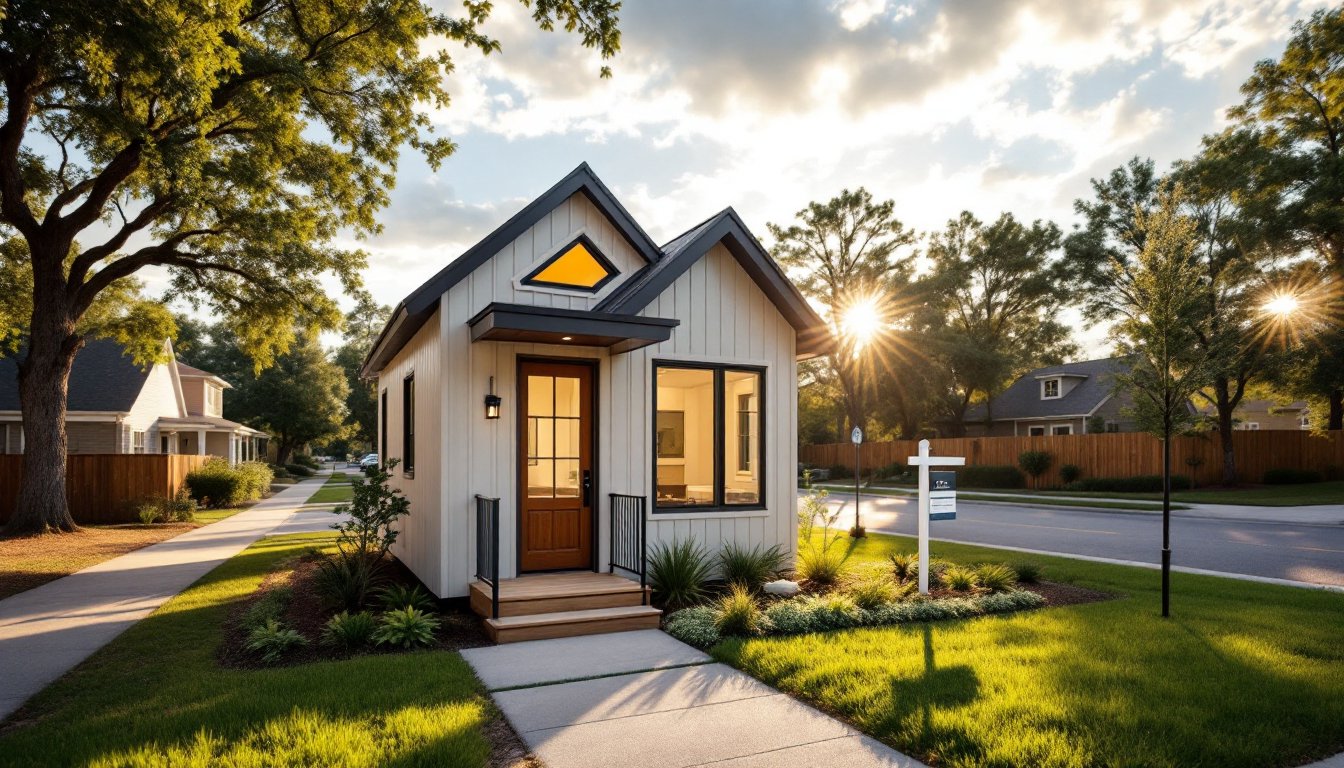
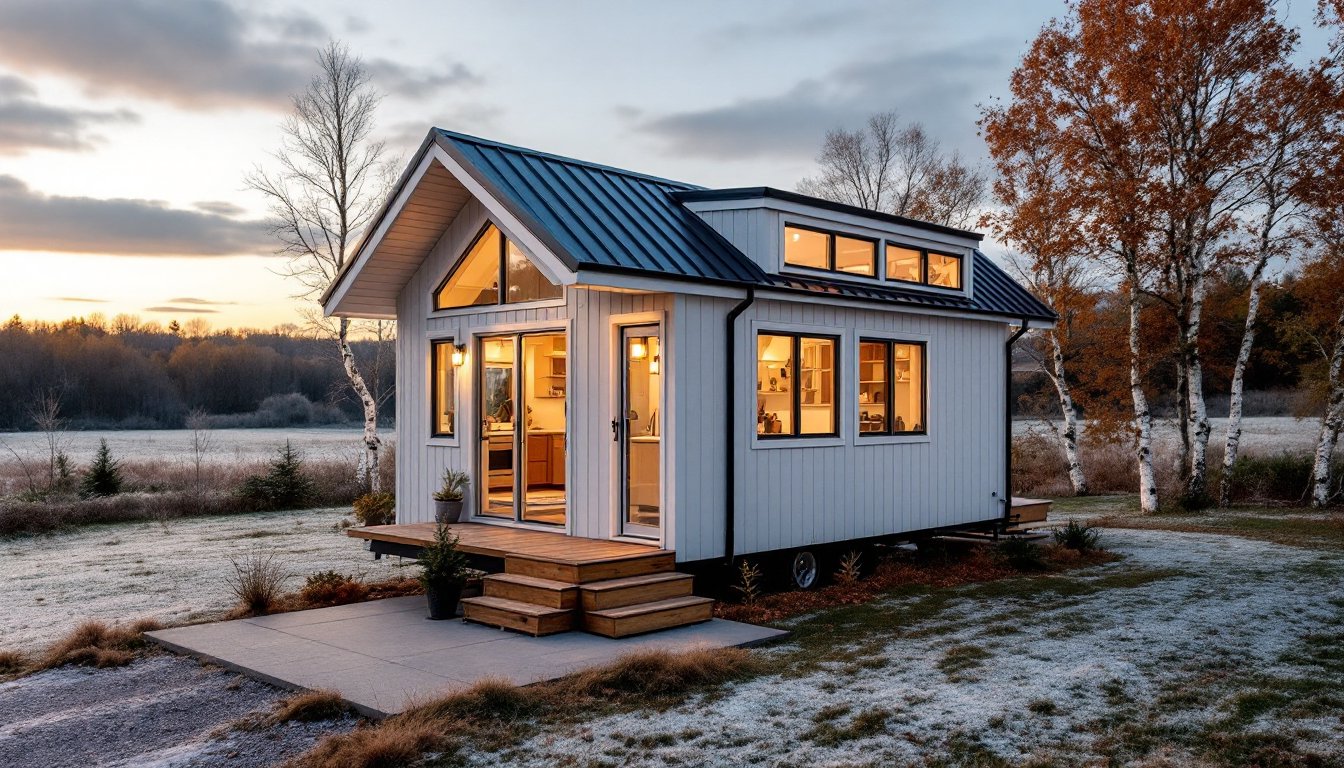
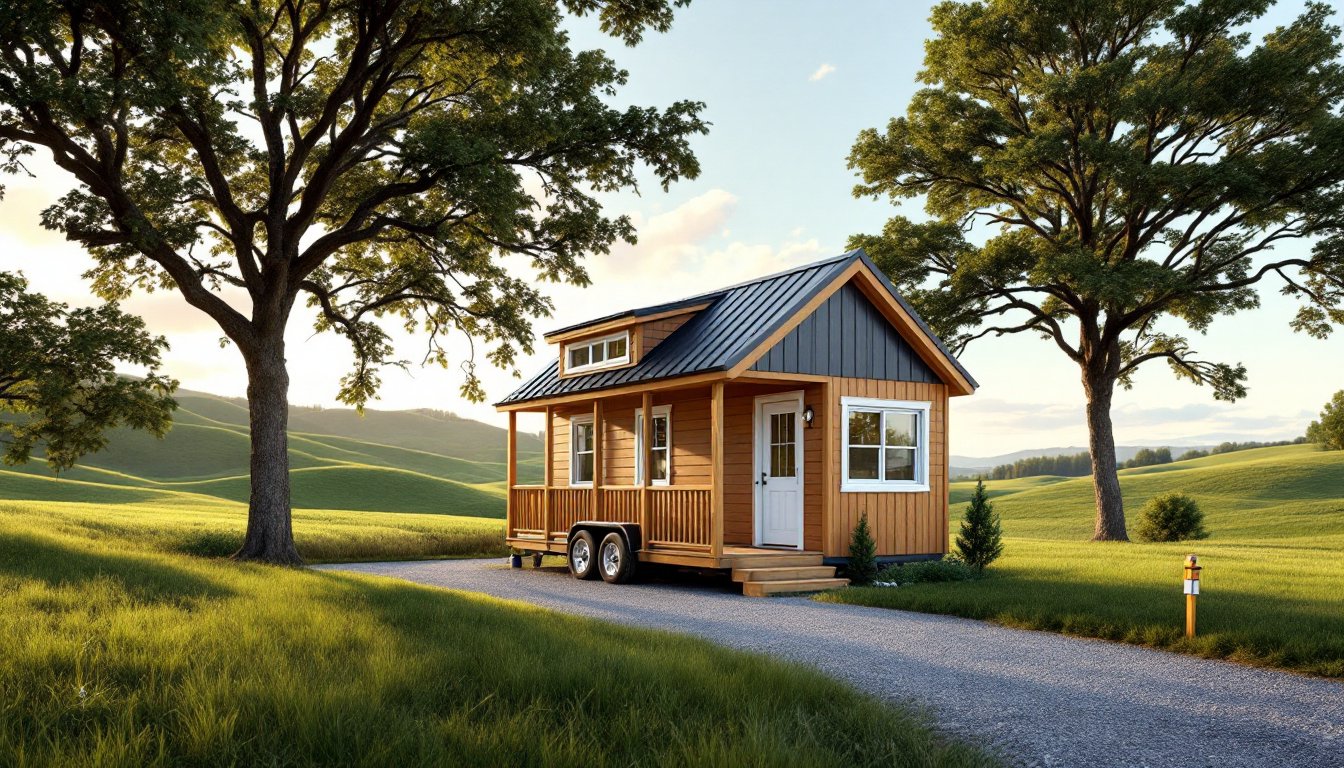
Tiny homes strategies can transform limited square footage into a functional, comfortable living space. The tiny home movement continues to grow as more people seek affordable housing, simpler lifestyles, and reduced environmental footprints. Whether someone plans to build from scratch or convert an existing structure, the right strategies make all the difference.
Living small doesn’t mean sacrificing quality of life. It requires smart planning, creative solutions, and a clear understanding of priorities. This guide covers essential tiny homes strategies, from storage hacks to legal considerations, that help homeowners make the most of every inch.
Table of Contents
ToggleKey Takeaways
- Effective tiny homes strategies focus on built-in storage solutions like under-stair drawers, platform beds, and vertical shelving to maximize every inch.
- Multi-functional furniture such as Murphy beds and fold-down tables costs more upfront but saves valuable square footage in small spaces.
- Natural light from large windows and skylights, combined with light colors and mirrors, makes tiny homes feel significantly more spacious.
- Tiny home costs range from $30,000 for DIY builds to $150,000+ for custom designs, with financing options including personal loans, RV loans, and builder payment plans.
- Zoning laws vary dramatically by location—research local codes and consider tiny-home-friendly cities like Portland, Austin, or Fresno before building.
- Consulting a local attorney or zoning official early can prevent costly fines, forced relocation, or demolition orders down the road.
Maximizing Storage and Organization
Storage presents the biggest challenge in tiny home living. Every item needs a designated spot, and clutter accumulates fast in small spaces. Successful tiny homes strategies start with smart storage solutions that work overtime.
Built-In Storage Solutions
Built-in storage uses walls, floors, and ceilings that would otherwise go to waste. Under-stair drawers, platform beds with storage compartments, and overhead cabinets add significant capacity without eating floor space. Many tiny homeowners install toe-kick drawers beneath kitchen cabinets, a clever spot most people overlook.
Vertical storage is another game-changer. Tall, narrow shelving units draw the eye upward and store more than standard bookcases. Pegboards on walls hold tools, kitchen utensils, and accessories while keeping them visible and accessible.
Decluttering and Multi-Use Items
Effective tiny homes strategies require ongoing decluttering. The rule of thumb: if an item hasn’t been used in six months, it probably doesn’t belong in a tiny home. Adopting a “one in, one out” policy prevents accumulation over time.
Multi-functional furniture pulls double or triple duty. A dining table that folds into the wall serves as a desk during work hours. Ottoman storage boxes provide seating, footrests, and hidden compartments. Murphy beds free up entire rooms during daytime hours. These pieces cost more upfront but save precious square footage.
Choosing the Right Layout and Design
Layout decisions shape daily life in a tiny home. Poor design creates frustration: good design makes 400 square feet feel spacious. The best tiny homes strategies prioritize flow, light, and personal needs.
Open Floor Plans vs. Defined Spaces
Open floor plans remain popular in tiny homes because they eliminate unnecessary walls and create visual space. A combined kitchen-living area feels larger than two cramped rooms. But, some people prefer defined zones for privacy and mental separation between work and rest areas.
Loft bedrooms maximize floor space below but require climbing. They work well for younger, mobile residents but pose challenges for anyone with mobility concerns. Ground-floor sleeping areas offer accessibility but consume valuable living space.
Natural Light and Visual Tricks
Windows dramatically affect how spacious a tiny home feels. Large windows, skylights, and glass doors flood interiors with natural light. Light colors on walls and ceilings reflect that brightness and expand visual perception.
Mirrors strategically placed opposite windows amplify light and create depth. Glass or acrylic furniture appears to take up less space than solid pieces. These tiny homes strategies cost relatively little but significantly impact livability.
Personal lifestyle should drive design choices. A home cook needs adequate counter space and storage for cookware. A remote worker requires a dedicated desk area with good lighting. Someone who loves entertaining might prioritize a convertible dining space over a large bedroom.
Budgeting and Financing Your Tiny Home
Tiny homes cost less than traditional houses, but they still require careful financial planning. Prices range from $30,000 for basic DIY builds to $150,000 or more for luxury custom designs. Understanding costs upfront prevents budget surprises.
Breaking Down the Costs
Major expenses include the trailer or foundation, shell construction, interior finishes, appliances, and utility connections. Labor represents the largest variable, DIY builders save thousands but invest significant time. Professional builders charge premium rates but deliver faster, often higher-quality results.
Land costs add another layer. Some tiny homeowners purchase land outright. Others rent space in tiny home communities or park on family property. Monthly lot rental typically runs $300 to $800 depending on location and amenities.
Financing Options
Traditional mortgages rarely cover tiny homes because most don’t meet minimum square footage requirements. Alternative tiny homes strategies for financing include:
- Personal loans: Unsecured loans from banks or credit unions, typically with higher interest rates
- RV loans: Available for tiny homes on wheels certified as recreational vehicles
- Builder financing: Some tiny home companies offer in-house payment plans
- Savings: Many tiny homeowners save aggressively and pay cash to avoid interest entirely
Credit scores significantly impact loan terms. Improving credit before applying can save thousands over the life of a loan. Setting aside an emergency fund for unexpected repairs or modifications also makes financial sense.
Navigating Zoning Laws and Regulations
Legal requirements create some of the trickiest hurdles for tiny homeowners. Zoning laws, building codes, and minimum dwelling size requirements vary dramatically by location. Research before buying or building saves major headaches later.
Understanding Local Codes
Many municipalities set minimum square footage for permanent residences, often 600 to 1,000 square feet. Tiny homes on foundations must typically meet these standards, which can disqualify structures under 400 square feet. Some areas have updated codes to accommodate tiny homes, but many haven’t.
Tiny homes on wheels face different rules. They’re often classified as RVs, which restricts where owners can legally live full-time. RV parks may allow extended stays, but permanent residence violates many local ordinances.
Finding Tiny-Home-Friendly Locations
Certain cities and counties have embraced tiny homes strategies by creating specific zoning categories or accessory dwelling unit (ADU) allowances. Portland, Oregon, Austin, Texas, and Fresno, California lead in tiny-home-friendly policies. Rural areas generally offer more flexibility than urban zones.
Tiny home communities provide another path forward. These planned developments handle zoning compliance, utility connections, and community amenities. Residents pay lot rent but avoid individual permitting battles.
Consulting a local attorney or zoning official early in the planning process clarifies what’s allowed. The cost of professional advice pales compared to fines, forced relocation, or demolition orders.