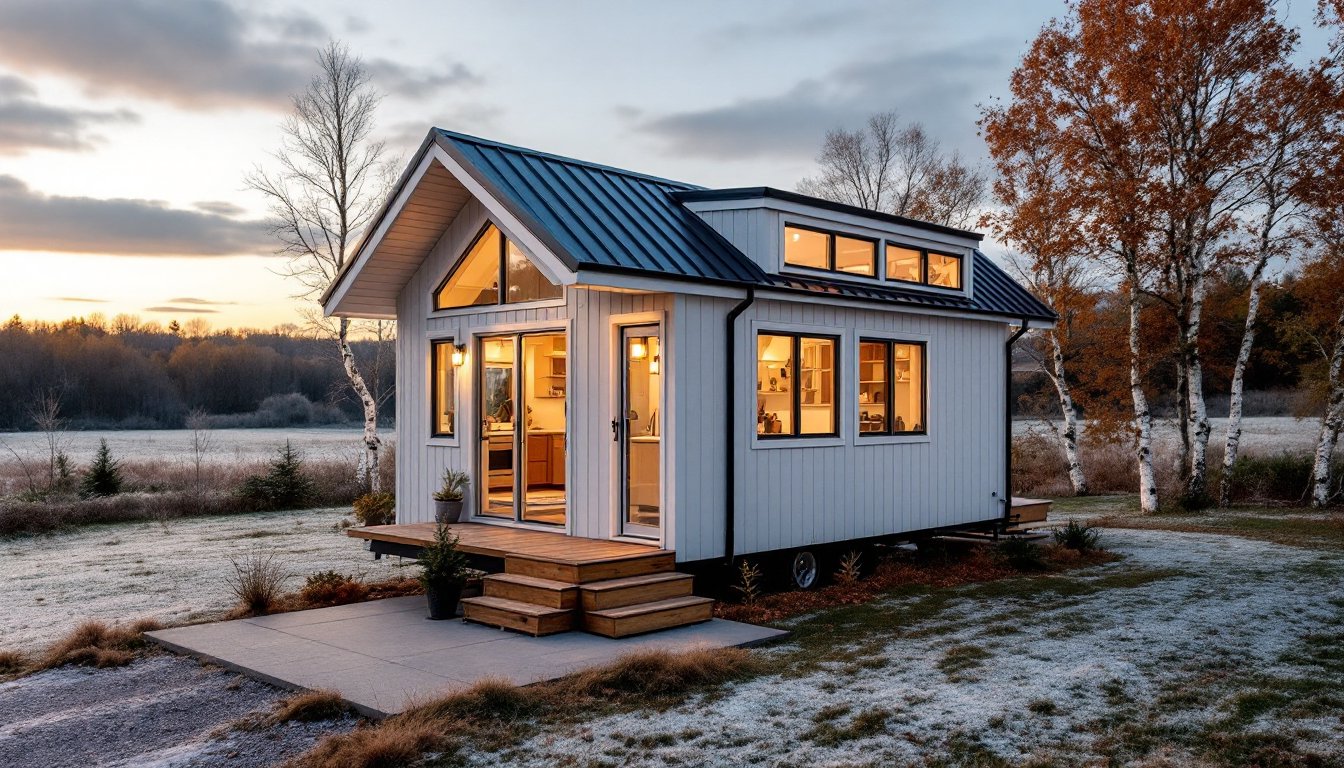
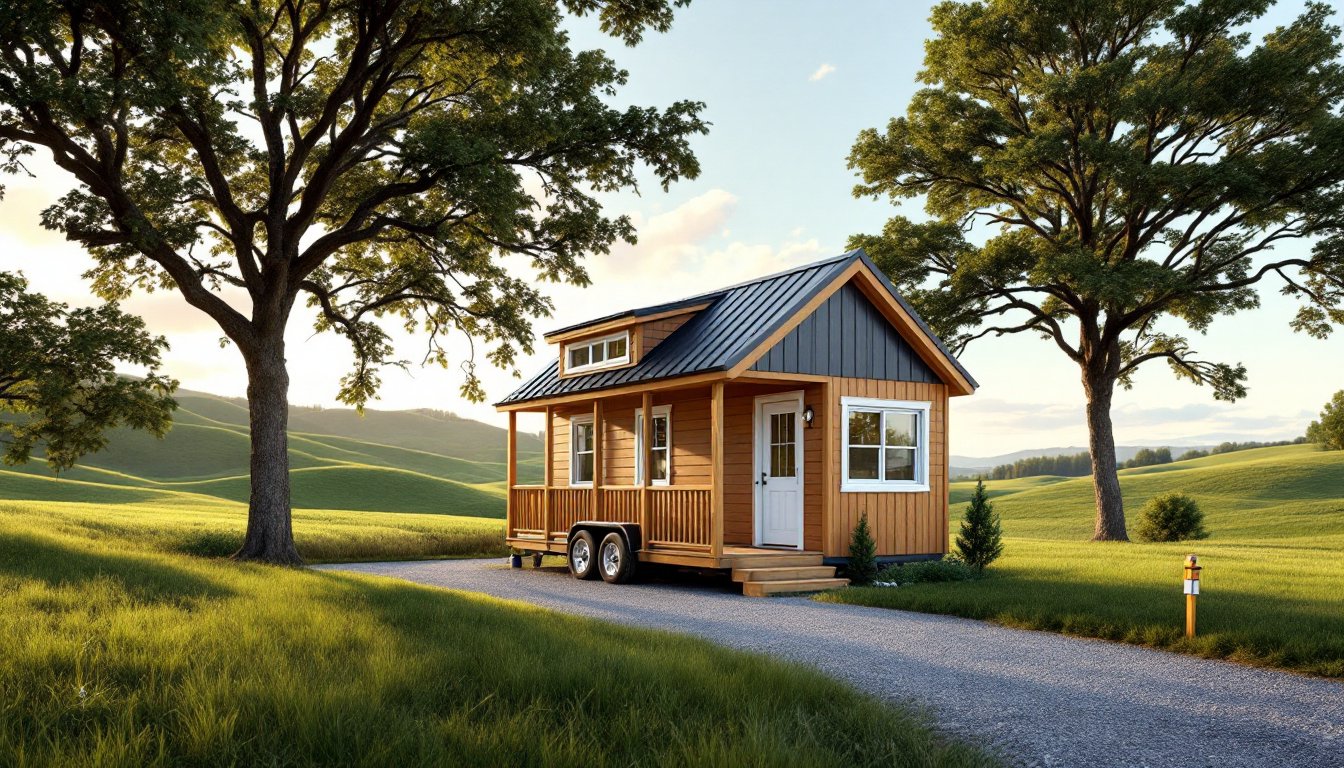
Tiny homes for beginners represent a growing movement that’s changing how people think about housing. These compact dwellings typically measure under 400 square feet and offer a simpler way to live. Whether someone wants to reduce expenses, shrink their environmental footprint, or just own a home without a massive mortgage, tiny homes provide a real solution.
This guide covers everything new enthusiasts need to know. From understanding what qualifies as a tiny home to handling the challenges that come with downsizing, the information here will help anyone make an well-informed choice about whether tiny living fits their lifestyle.
Table of Contents
ToggleKey Takeaways
- Tiny homes for beginners typically measure 100–400 square feet and offer financial freedom, environmental benefits, and simplified living.
- The average tiny home costs $30,000–$60,000, allowing many owners to skip mortgages and reduce monthly expenses significantly.
- Research local zoning laws and building codes first, as regulations for tiny homes vary dramatically by location.
- Choose from several tiny home types—including homes on wheels, foundation-based, container homes, or prefab options—based on your mobility needs and budget.
- Plan your layout around actual daily habits, not theoretical needs, and invest in multi-purpose furniture to maximize limited space.
- Prepare for common challenges like financing difficulties and social stigma by exploring personal loans, RV loans, or saving to pay cash.
What Is a Tiny Home?
A tiny home is a residential structure that generally measures between 100 and 400 square feet. Some definitions stretch this to 600 square feet, but most enthusiasts agree that true tiny homes stay on the smaller end of that range.
Tiny homes for beginners come in various forms. Some sit on permanent foundations, while others rest on trailers for mobility. The key distinction from traditional housing isn’t just size, it’s the intentional design that maximizes every inch of available space.
These homes include full kitchens, bathrooms, sleeping areas, and living spaces. Clever storage solutions, loft bedrooms, and multi-purpose furniture make small-space living practical. A tiny home isn’t a compromise: it’s a deliberate choice to prioritize experiences over square footage.
The tiny home movement gained momentum after the 2008 financial crisis. People started questioning whether large mortgages and oversized houses truly improved their quality of life. Today, tiny homes attract everyone from young professionals to retirees looking for affordable, sustainable housing options.
Benefits of Living in a Tiny Home
Tiny homes for beginners offer several compelling advantages that explain their growing popularity.
Financial Freedom
The average tiny home costs between $30,000 and $60,000, a fraction of traditional home prices. Many owners pay cash and skip mortgages entirely. Monthly expenses drop significantly too. Utility bills often run under $50, and maintenance costs stay minimal with less space to repair.
Environmental Impact
Smaller spaces require fewer resources to build and operate. Tiny homes use less energy for heating and cooling. Many owners incorporate solar panels, composting toilets, and rainwater collection systems. The carbon footprint of a tiny home is roughly 2,000 pounds of CO2 annually, compared to 28,000 pounds for an average American home.
Simplified Living
Living tiny forces people to evaluate what they truly need. Owners report less time cleaning, organizing, and maintaining their space. This creates more time for hobbies, relationships, and personal growth. The psychological benefits of decluttering extend beyond the physical space.
Mobility and Flexibility
Tiny homes on wheels offer location independence. Owners can move for job opportunities, follow good weather, or simply explore new areas. This flexibility appeals to remote workers, travel enthusiasts, and anyone who doesn’t want to feel tied to one location.
Types of Tiny Homes to Consider
Beginners exploring tiny homes will encounter several distinct categories. Each type suits different needs and lifestyles.
Tiny Houses on Wheels (THOWs)
These homes sit on trailers and can be towed to different locations. THOWs bypass some building codes by classifying as RVs rather than permanent structures. They’re ideal for people who value mobility or live in areas with restrictive zoning laws.
Foundation-Based Tiny Homes
These structures sit on permanent foundations like traditional houses. They must meet local building codes, which often require minimum square footage. Some municipalities have updated codes to accommodate tiny homes, making this option more accessible.
Container Homes
Shipping containers provide a sturdy, affordable base for tiny homes. These steel structures resist weather, pests, and fire. Container homes appeal to those who appreciate industrial aesthetics and want a durable foundation.
Prefabricated Tiny Homes
Companies manufacture these homes in factories and deliver them ready to inhabit. Prefab tiny homes reduce construction time and often cost less than custom builds. Quality varies by manufacturer, so research is essential.
Converted Structures
Some people transform buses, vans, sheds, or other existing structures into tiny homes. These conversions offer creative freedom and can be budget-friendly. But, they require DIY skills and careful planning.
Key Steps to Starting Your Tiny Home Journey
Tiny homes for beginners require thoughtful preparation. These steps will guide anyone through the process.
Research Local Regulations
Zoning laws and building codes vary dramatically by location. Some areas welcome tiny homes: others effectively ban them. Research where tiny homes are legal before making any purchases. Look into accessory dwelling unit (ADU) regulations, RV parking rules, and minimum dwelling size requirements.
Determine Your Budget
Tiny home costs range from $10,000 for a DIY project to $150,000 for a luxury custom build. Factor in land costs, utility hookups, and any required permits. Create a realistic budget that includes unexpected expenses, they always appear.
Decide: Build or Buy
Building a tiny home saves money but demands time and skills. Buying prefabricated or pre-owned homes costs more but reduces stress. Consider personal abilities, timeline, and desired customization level when making this choice.
Find the Right Location
Options include purchasing land, renting a lot in a tiny home community, or parking on private property with owner permission. Tiny home communities offer shared amenities and like-minded neighbors. Private land provides independence but requires handling utilities and infrastructure.
Plan Your Layout
Think carefully about daily routines. Where will cooking happen? How much storage is truly necessary? Test layouts by marking dimensions on the ground or using cardboard boxes. Tiny homes for beginners work best when designed around actual habits, not theoretical needs.
Common Challenges and How to Overcome Them
Tiny home living isn’t without obstacles. Understanding these challenges helps beginners prepare effectively.
Zoning and Legal Issues
Many areas lack clear regulations for tiny homes. Some classify them as RVs, while others don’t recognize them at all. Solutions include choosing locations with favorable laws, joining advocacy groups pushing for code changes, or placing tiny homes on properties zoned for ADUs.
Limited Space
Adjusting to 200 square feet takes time. Decluttering before moving is essential, ruthlessly. Invest in furniture that serves multiple purposes. Vertical storage maximizes floor space. Accept that some possessions won’t make the cut.
Financing Difficulties
Traditional mortgages don’t apply to most tiny homes. Options include personal loans, RV loans (for THOWs), builder financing, or saving to pay cash. Credit unions sometimes offer better terms than large banks for alternative housing.
Social Stigma
Some people view tiny living as a step backward or a sign of financial struggle. Confident tiny home owners learn to explain their choice as intentional rather than desperate. The movement’s growing mainstream acceptance helps combat negative perceptions.
Relationship Strain
Couples and families face unique challenges in small spaces. Communication becomes critical. Establishing personal zones, even small ones, helps maintain sanity. Many couples report their relationships actually improved because they couldn’t avoid difficult conversations.