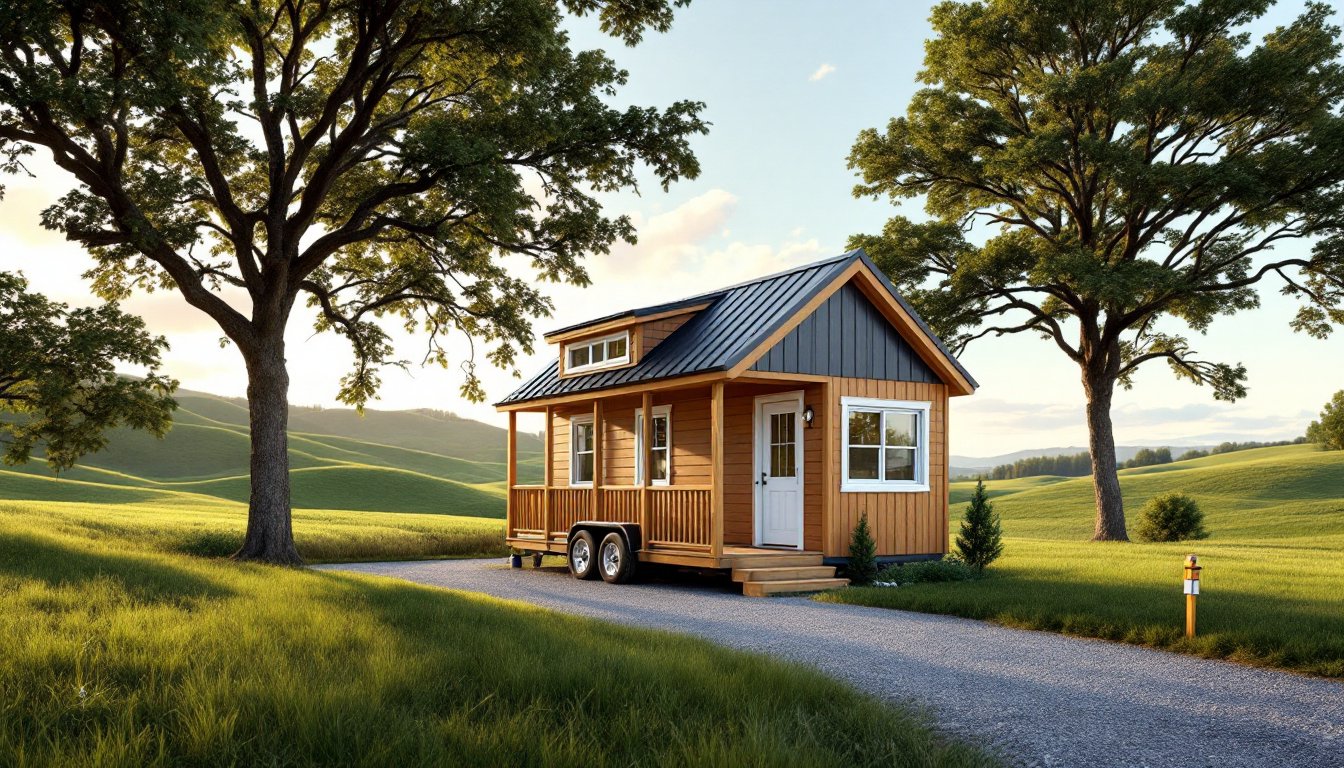
Tiny home ideas are changing how people think about living spaces. The average American home sits at around 2,300 square feet, but a growing number of homeowners are choosing spaces under 400 square feet instead. This shift isn’t just about saving money, it’s about intentional living, reduced environmental impact, and the freedom that comes with owning less.
Whether someone dreams of a mobile tiny house on wheels or a permanent micro-dwelling, the options have expanded dramatically in recent years. From clever storage solutions to multi-functional furniture, small space living requires creativity and smart planning. This guide covers the best tiny home ideas for layouts, furniture, popular styles, and budget-friendly building tips.
Table of Contents
ToggleKey Takeaways
- Tiny home ideas focus on intentional living, with spaces under 400 square feet offering reduced costs, environmental benefits, and freedom from excess.
- Maximize vertical space with loft bedrooms, tall shelving, and wall-mounted furniture to make every square foot count.
- Multi-functional furniture like Murphy beds, fold-down tables, and storage ottomans transforms small spaces into highly functional homes.
- Popular tiny home styles include mobile houses on wheels, shipping container homes, A-frame cabins, and modern minimalist designs.
- DIY building can cut tiny home costs by 50% or more, while salvaged materials and prefab kits offer additional budget-friendly options.
- Always check local zoning laws before purchasing land, as some areas restrict minimum dwelling sizes or prohibit tiny homes entirely.
Space-Saving Layout and Design Strategies
A well-planned layout makes all the difference in a tiny home. Every square foot counts, so design choices need to prioritize function without sacrificing comfort.
Vertical Space Utilization
Walls offer valuable real estate in small homes. Tall shelving units, wall-mounted desks, and overhead storage cabinets maximize vertical space. Many tiny home owners install loft bedrooms to free up the main floor for living and cooking areas. A ceiling height of at least 10 feet allows for a comfortable sleeping loft with adequate headroom below.
Open Floor Plans
Removing unnecessary walls creates visual space and improves airflow. An open floor plan combines the kitchen, dining, and living areas into one cohesive zone. This layout makes tiny homes feel larger than their actual square footage suggests.
Strategic Window Placement
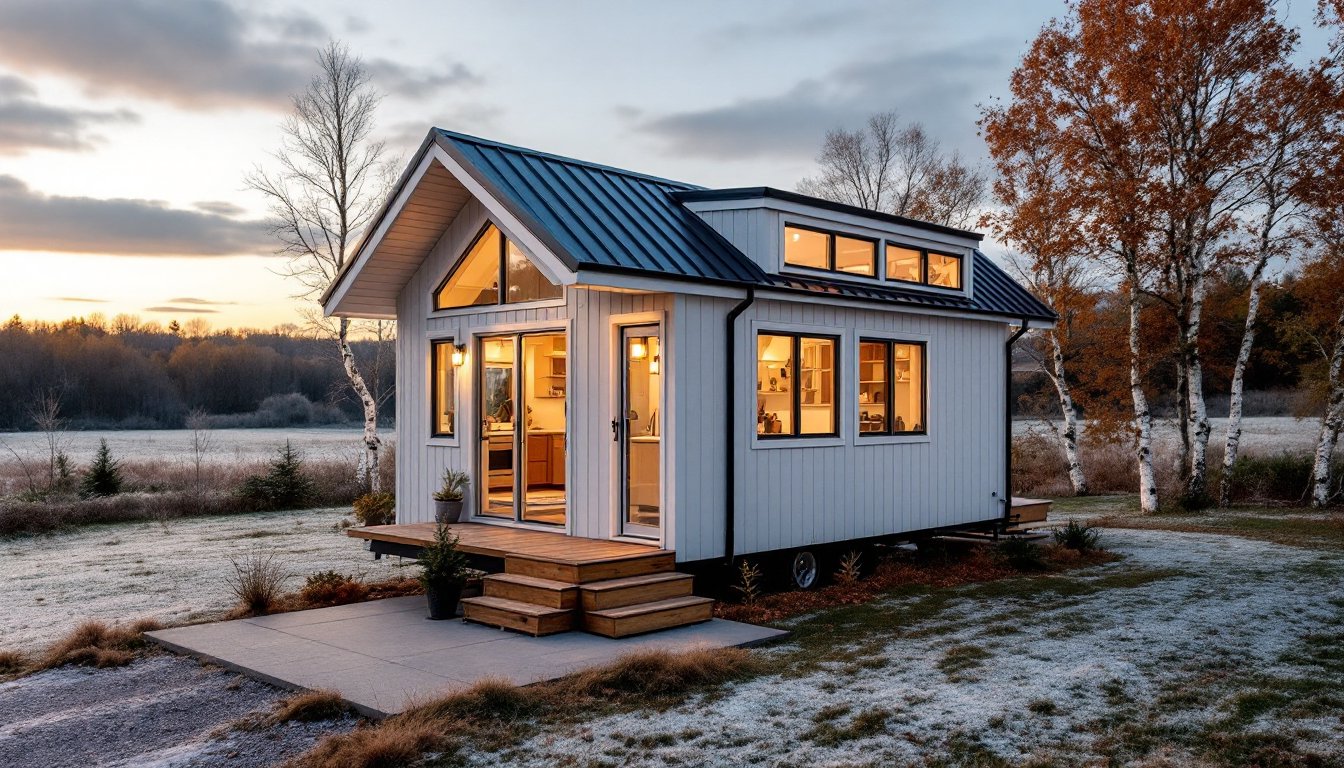
Natural light expands the perceived size of any room. Large windows, skylights, and glass doors bring the outdoors in and reduce the need for artificial lighting during daylight hours. Corner windows work particularly well in tiny homes, offering views from multiple angles.
Defined Zones Without Walls
Area rugs, different flooring materials, or ceiling height changes can separate living zones without physical barriers. A slightly raised platform for the sleeping area or a different paint color for the kitchen zone creates visual distinction while maintaining openness.
Multi-Functional Furniture and Storage Solutions
Furniture in tiny homes needs to work double, or even triple, duty. The right pieces transform a cramped space into a functional home.
Convertible Furniture Options
Murphy beds fold into the wall during the day, freeing floor space for other activities. Sofa beds serve guests without requiring a dedicated guest room. Dining tables that fold against the wall or expand from a small console provide eating space only when needed. Some tiny home owners invest in coffee tables that rise to dining height with built-in storage underneath.
Built-In Storage Ideas
Custom built-ins use awkward spaces efficiently. Stairs leading to a loft can contain drawers or cabinets in each step. Window seats with hinged tops offer seating and storage. Kitchen banquettes with lift-up seats hide linens, seasonal items, or pantry overflow.
Hidden Storage Opportunities
Tiny home ideas often include unexpected storage spots. The space under raised floors can hold tools, sports equipment, or holiday decorations. Hollow ottomans and benches keep blankets and books within reach but out of sight. Magnetic strips on walls hold knives, spice jars, and small metal containers.
Modular and Stackable Systems
Modular furniture adapts to changing needs. Stackable chairs store compactly when not in use. Nesting tables provide extra surface area for entertaining but tuck away afterward. These flexible systems let tiny home residents reconfigure their space for different activities throughout the day.
Popular Tiny Home Styles to Consider
Tiny homes come in various styles, each with distinct advantages. The best choice depends on lifestyle, location, and personal taste.
Tiny Houses on Wheels (THOWs)
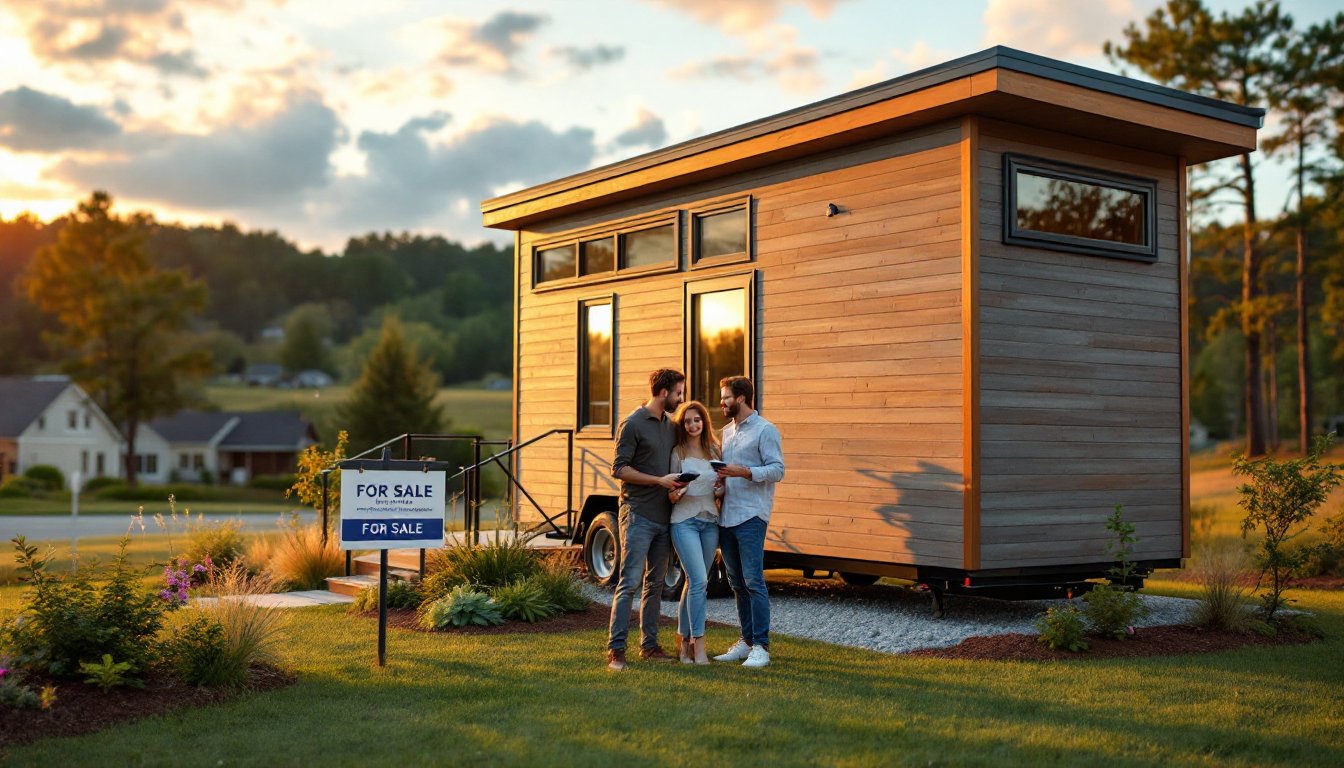
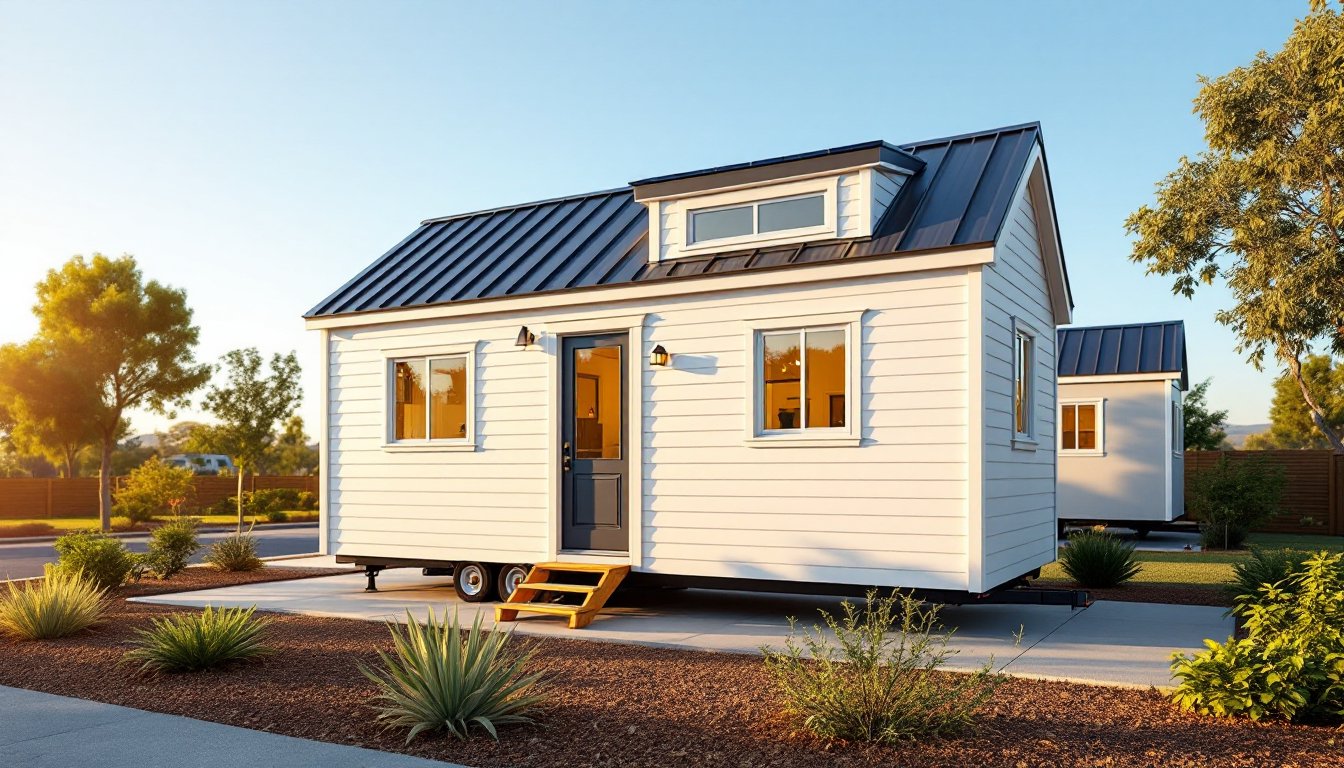
These mobile tiny homes sit on trailers, allowing owners to relocate without selling. THOWs typically range from 100 to 400 square feet. They bypass many building codes since they’re classified as RVs in most areas. But, finding legal parking spots can prove challenging in some regions.
Container Homes
Shipping containers offer a sturdy, affordable building foundation. A standard 40-foot container provides about 320 square feet of living space. Multiple containers can be stacked or joined for larger layouts. The industrial aesthetic appeals to modern design enthusiasts, and the steel structure handles extreme weather well.
A-Frame Tiny Cabins
A-frame structures suit wooded or mountainous settings. The steep roofline sheds snow easily and creates dramatic interior spaces. These cabins work well as primary residences or vacation retreats. The triangular shape limits wall space for furniture placement but offers character that standard designs lack.
Modern Minimalist Designs
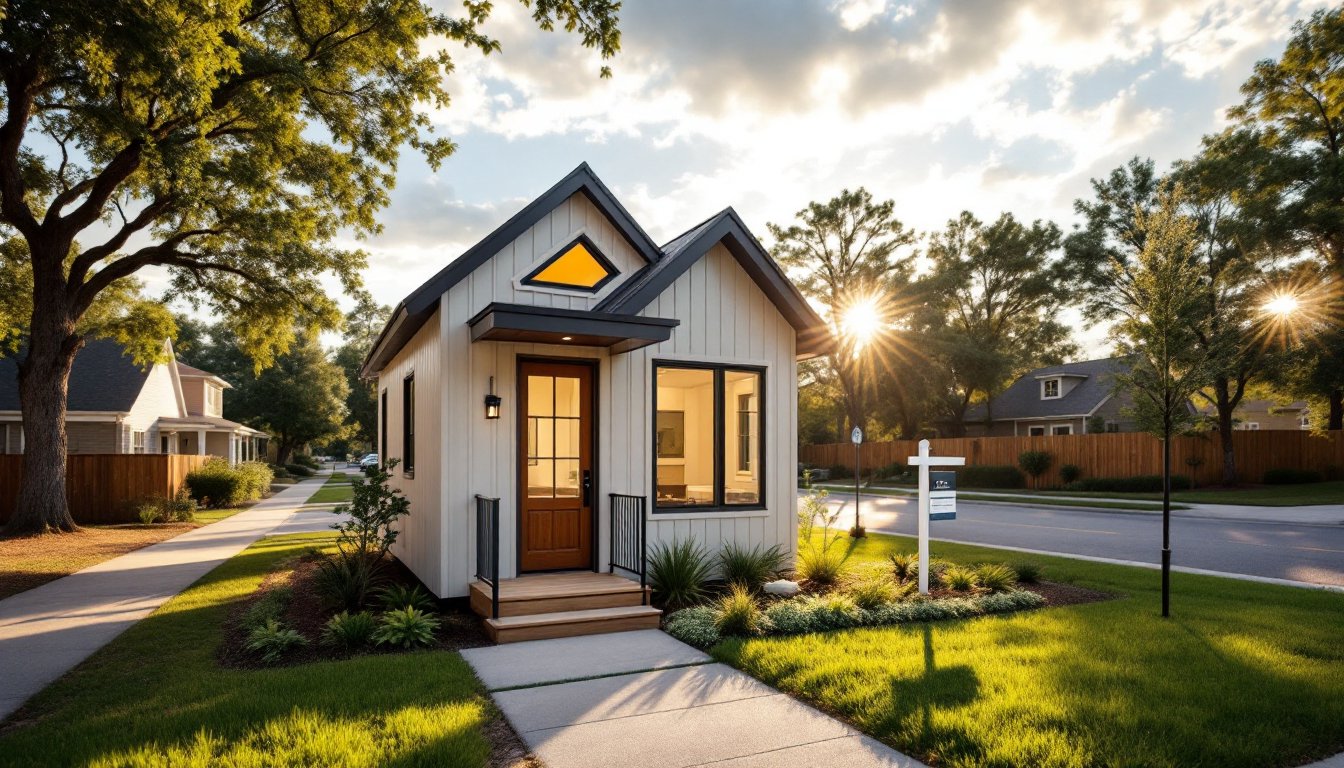
Clean lines, neutral colors, and simple forms define modern tiny homes. Large windows, flat roofs, and open layouts characterize this style. Prefabricated modern tiny homes from companies like Cover, Escape, and Minimaliste offer turnkey solutions with contemporary aesthetics.
Rustic and Cottage Styles
Reclaimed wood, cozy textures, and traditional details create warm, inviting tiny spaces. These designs often include features like exposed beams, shiplap walls, and farmhouse sinks. The cottage style feels homey even though limited square footage.
Budget-Friendly Tips for Building or Buying a Tiny Home
Tiny home ideas don’t require massive budgets. Smart planning and strategic choices can reduce costs significantly.
DIY vs. Professional Builders
Building a tiny home personally saves substantial money, sometimes 50% or more compared to hiring professionals. But, this approach demands time, skills, and tool investments. Those without construction experience might consider a hybrid approach: hiring contractors for electrical, plumbing, and structural work while handling finishing touches independently.
Salvaged and Reclaimed Materials
Architectural salvage stores, Habitat for Humanity ReStores, and online marketplaces offer windows, doors, cabinets, and fixtures at fraction of retail prices. Reclaimed wood adds character while reducing costs. Old barn wood, factory flooring, and demolished building materials work beautifully in tiny home construction.
Prefab and Kit Options
Tiny home shell kits provide the basic structure at lower cost than fully finished homes. Companies like Jamaica Cottage Shop and Tumbleweed sell plans and kits ranging from $10,000 to $50,000. Buyers complete interior finishes themselves, controlling both budget and timeline.
Location and Land Considerations
Land costs vary dramatically by region. Rural areas offer cheaper lots but may lack utilities. Some tiny home owners lease land or join tiny home communities to reduce upfront costs. Checking local zoning laws before purchasing prevents expensive surprises, some areas restrict minimum dwelling sizes or prohibit tiny homes entirely.
Financing Strategies
Traditional mortgages rarely cover tiny homes, but alternatives exist. Personal loans, RV loans for homes on wheels, and builder financing programs help spread costs. Saving to pay cash remains the most cost-effective approach, eliminating interest payments entirely.