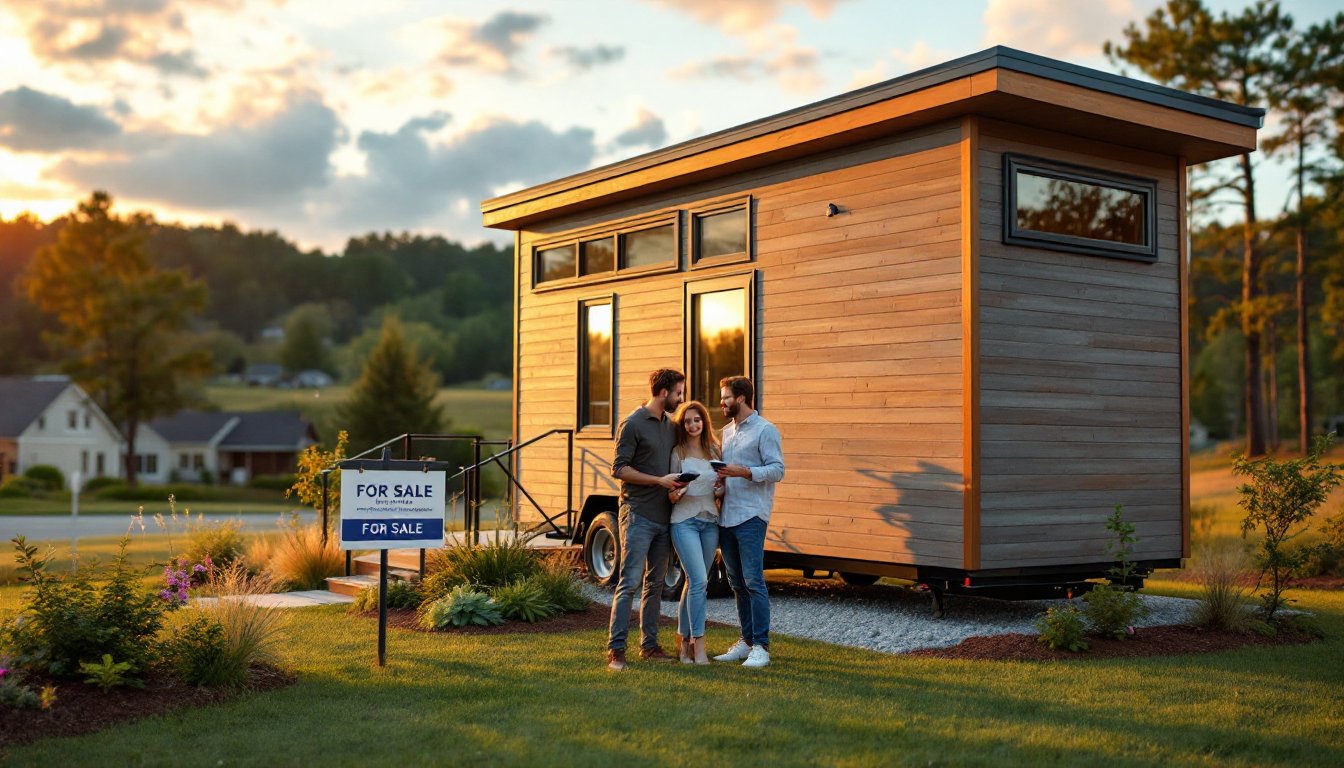
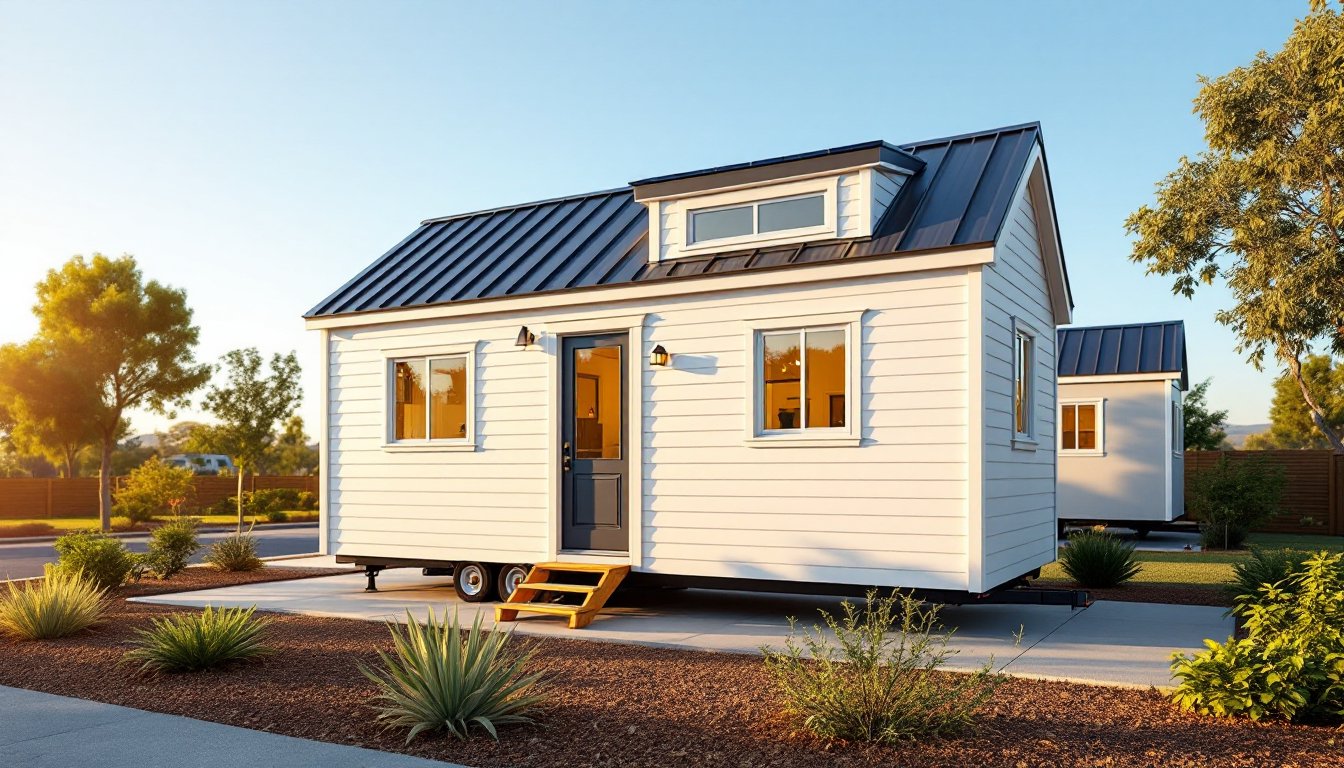
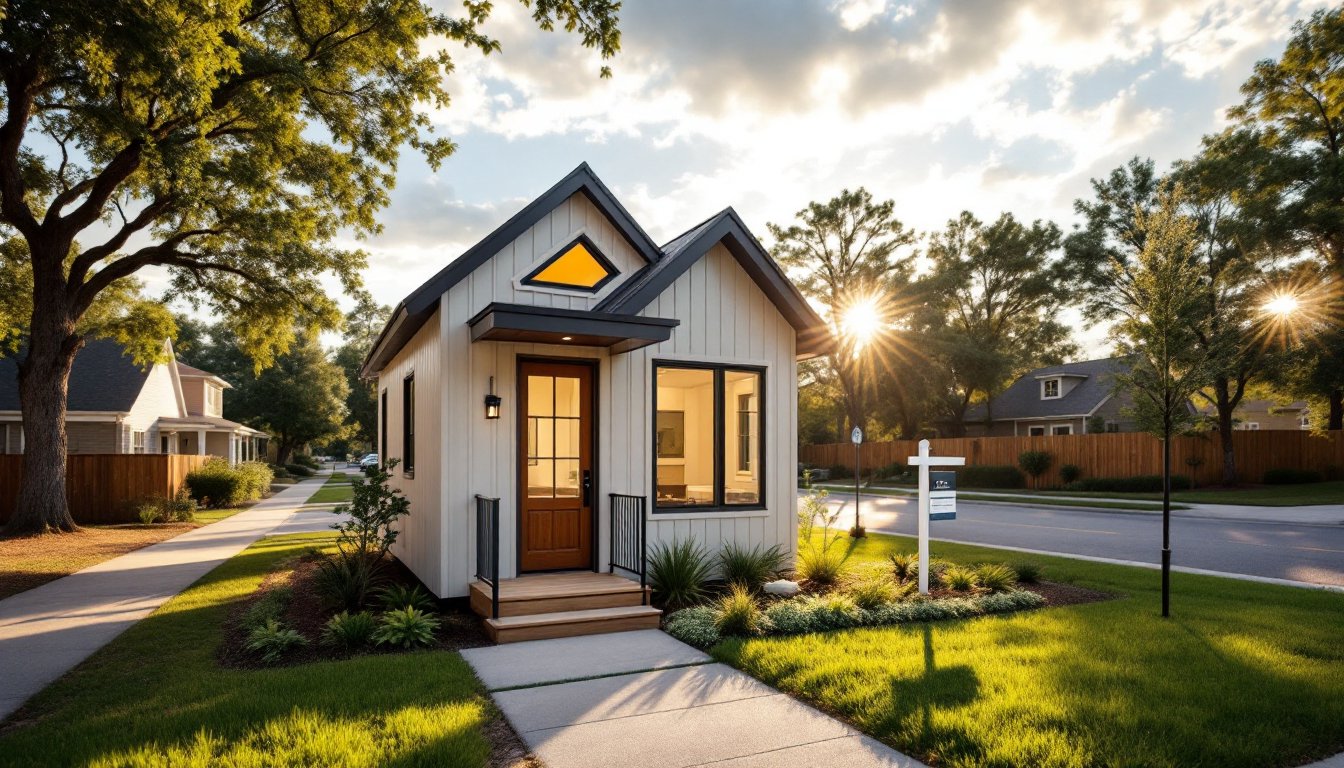
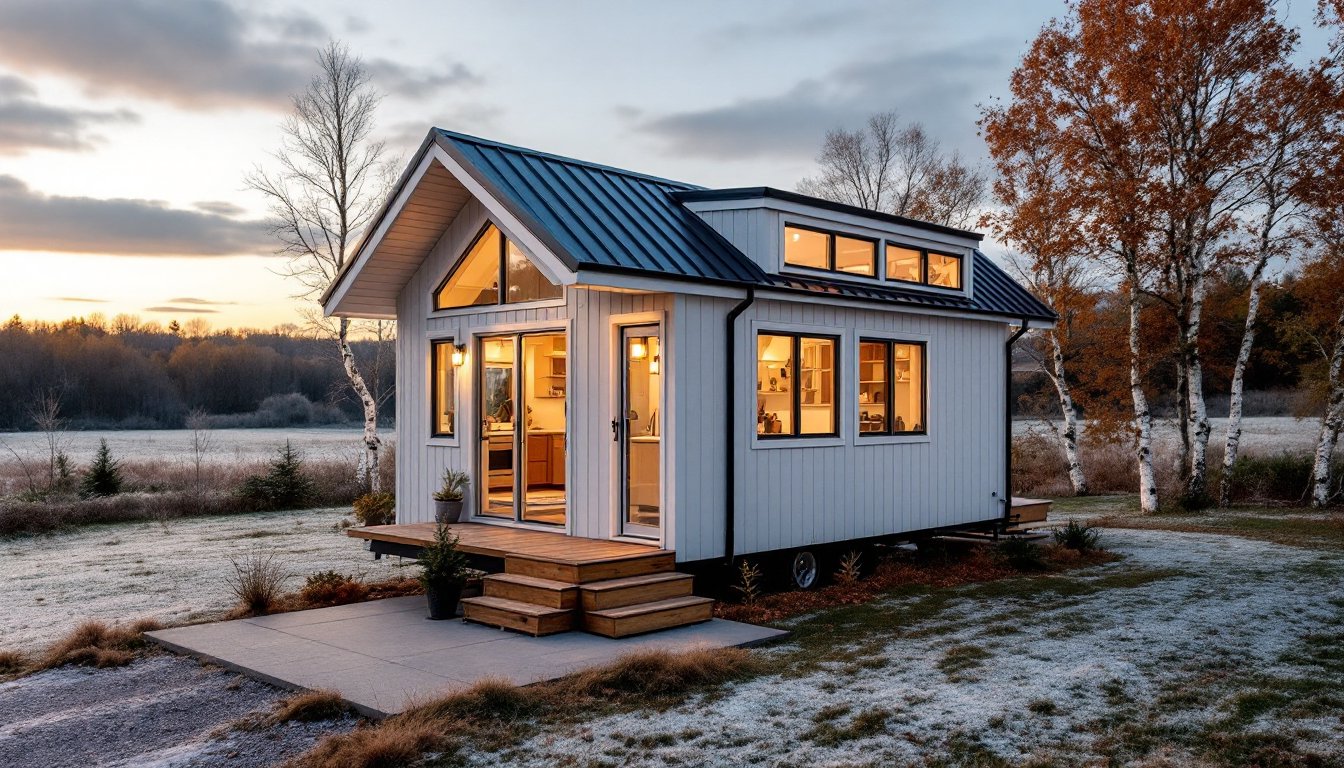
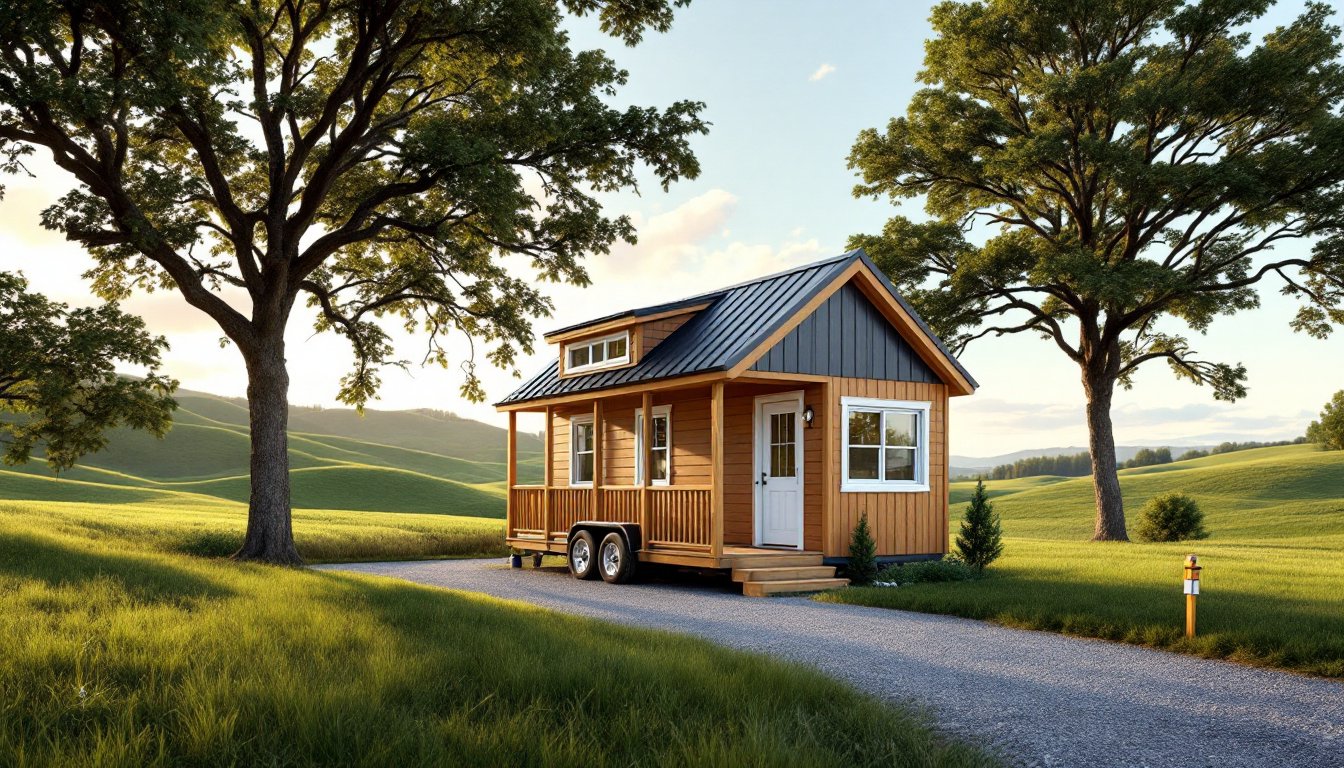
Downsizing doesn’t have to mean a years-long renovation project. Turn-key tiny homes for sale offer a fast-track path to homeownership without the typical DIY headaches, everything from electrical to plumbing to fixtures already installed and inspected. Whether you’re seeking a simpler lifestyle, lower housing costs, or a lower-maintenance property, turn-key tiny homes eliminate the renovation phase entirely. You move in within weeks, not months. This guide walks you through what to expect, where to find them, and how to evaluate a purchase so you’re making a confident decision from day one.
Table of Contents
ToggleKey Takeaways
- Turn-key tiny homes for sale eliminate renovation hassles by delivering fully inspected, move-in-ready dwellings typically priced between $40,000 and $150,000.
- Move-in timelines of 30–60 days and energy costs of $100–200 monthly make turn-key tiny homes an affordable alternative to traditional homes with lower operating expenses.
- Professional inspection remains critical even for move-in-ready properties; verify structural integrity, plumbing, electrical systems, and HUD standards compliance before committing.
- Find turn-key tiny homes through MLS platforms, specialized marketplaces like Tiny Home Listings, direct manufacturers, and local tiny home builders who understand zoning requirements.
- Conventional mortgages, FHA loans, and specialized tiny home financing are available; pre-approval strengthens your offer and confirms zoning compliance before purchase.
- Always verify local zoning restrictions, as some municipalities limit tiny homes to specific lots or communities, preventing costly post-purchase permit denials.
What Are Turn-Key Tiny Homes and Why They’re Worth Considering
A turn-key tiny home is a fully constructed, inspected, and move-in-ready dwelling, typically between 100 and 400 square feet, where every system is operational and compliant with local building codes. Unlike raw land or a skeleton structure, you don’t buy permits, manage contractor timelines, or chase down building inspectors. The builder or seller has already done that.
Why consider one? The primary appeal is simplicity. You avoid the stress, cost overruns, and surprises that come with renovation. A second reason is speed: many buyers close within 30–60 days instead of waiting through a 12–18 month build or remodel. Third, you’re buying from a builder or dealer who stands behind the work, meaning warranties on construction, appliances, and systems are typically included. Essential Tiny Homes Tips for Comfortable Small-Space Living can help you maximize whatever footprint you choose once you move in.
Key Benefits of Buying a Turn-Key Tiny Home
Cost Savings and Affordability
Turn-key tiny homes cost between $40,000 and $150,000 depending on size, location, and finishes, a fraction of a traditional home’s median price. Because labor and overhead are absorbed into production, and because the physical structure is small, material costs stay reasonable. You’re also buying into a model designed for energy efficiency: tiny homes typically cost $100–200 per month to heat and cool, versus $150–300 for an average house. Over a 30-year mortgage, that energy gap alone can save $50,000+.
Financing is also more accessible. FHA loans and conventional mortgages cover tiny homes in most regions, and some lenders now offer specialized tiny home mortgages with lower minimums. Your property taxes and insurance scale with the home’s value, so a $80,000 tiny home carries much lower annual obligations than a $350,000 suburban property.
Move-In Ready Convenience
No inspection surprises. No hidden mold, no outdated wiring, no asbestos lurking behind walls. Every system, plumbing, electrical, HVAC, has been tested and signed off by the builder. Paint, flooring, appliances, and cabinetry are installed. You unpack boxes instead of managing contractors. Tiny Homes for Beginners: A Complete Guide to Getting Started provides foundational knowledge if you’re new to the concept.
Where to Find Turn-Key Tiny Homes for Sale
Turn-key tiny homes appear on standard real estate platforms (Zillow, Redfin, MLS) where they’re listed like any other property. But, specialized tiny home marketplaces and dealers often have broader inventory. Websites like Tiny Home Listings and communities like Pocket Neighborhoods aggregate available properties and builders in your region.
Manufacturers like Clayton, Cavco, and Champion also sell directly or through authorized dealers. Many have move-on-ready floor plans ready to place on your land or a leased lot. Mobile home dealerships increasingly stock modern, code-compliant tiny homes alongside traditional RVs, a good resource if you’re in a rural area.
Local land trusts and co-housing groups sometimes list turn-key opportunities through their networks. And don’t overlook professional tiny home builders in your state: a quick search for “tiny home builders [your state]” often reveals local specialists who know zoning laws and can expedite permitting. Industry publications like Curbed have aggregated guides on finding and evaluating tiny homes for sale that list regional options.
What to Inspect Before Making an Offer
Even though the home is complete, get a professional inspection. A certified home inspector trained in tiny homes or manufactured housing will check:
- Structural integrity: Verify no settling, cracks in the frame, or water damage.
- Foundation and anchoring: Confirm the home is properly secured to the foundation or pad (critical for safety and resale value).
- Plumbing and water pressure: Test all fixtures, check for leaks, confirm water heater capacity and type.
- Electrical: Verify panel capacity, grounding, and outlet placement meet NEC (National Electrical Code) standards.
- HVAC and insulation: Check that heating and cooling systems are appropriately sized and functioning: confirm R-values in walls and ceiling.
- Roof and siding: Look for gaps, improper sealing, or damage that could let moisture in, critical in tiny homes where interior space is tight.
- Appliances and built-ins: Test kitchen and laundry equipment: verify warranty coverage and parts availability.
Budget $300–500 for an inspection. It’s the best money spent. Also request the builder’s warranty documentation and any maintenance records. Ask directly if the home meets HUD (Department of Housing and Urban Development) standards if it’s classified as a manufactured home, this affects financing and insurance.
Tiny Home Ideas: Creative Designs for Small Space Living will help you visualize layout options, but ensure any floor plan you’re buying fits your actual workflow and lifestyle.
Financing Options for Tiny Home Purchases
Financing a turn-key tiny home depends on its classification and your situation.
Conventional mortgages work if the home is on land you own or will own (not leased), titled as real property, and meets local zoning and code standards. Loan amounts typically start at $50,000, and terms run 15–30 years. Interest rates are currently competitive: shop multiple lenders.
FHA loans are available for tiny homes meeting HUD standards and located in areas where zoning allows them. FHA’s lower down payment requirement (3.5%) makes this appealing for first-time buyers. Verify your lender accepts tiny homes, not all do.
Manufactured home loans apply if the home is titled as a vehicle (like a mobile home). These carry shorter terms (10–20 years) and slightly higher rates but are faster to close. Some states require land lease payments, which affect your total monthly cost.
Cash and personal loans sidestep mortgage approval if you’re paying outright. A personal loan ($30,000–$80,000) through a bank or credit union offers faster approval but higher interest.
Before offering, get pre-approved so you know your budget and can close quickly. Sellers move fast in the tiny home market, and pre-approval strengthens your position. HGTV’s collection of tiny home designs and purchasing guides also reviews financial strategies and common pitfalls to avoid.
Important: Confirm zoning before committing. Some municipalities restrict tiny homes to specific lots or communities. A realtor or local zoning office can clarify in days: a denied permit after purchase is a nightmare.