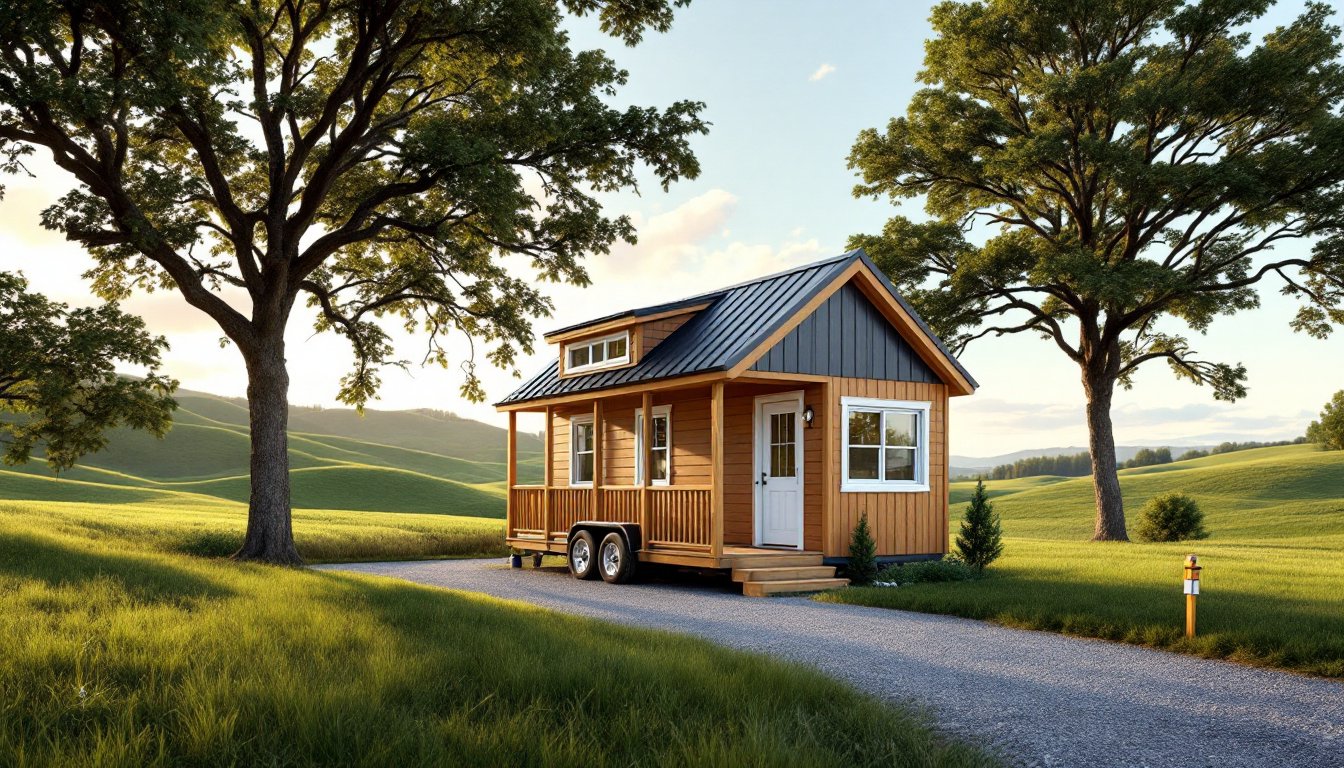
Tiny life homes have shifted from a niche trend to a mainstream lifestyle choice. Whether driven by affordability, environmental consciousness, or the desire for simplicity, more homeowners are downsizing into spaces under 400 square feet. But living small doesn’t mean living cramped, it requires thoughtful design, smart storage solutions, and practical DIY know-how. This guide walks you through what tiny homes are, why they’re gaining traction, and how to tackle real renovation projects that make small spaces livable and functional.
Table of Contents
ToggleKey Takeaways
- Tiny life homes under 400 square feet offer significant financial savings, with construction costs between $30,000–$80,000 and utility bills potentially reduced by 70 percent compared to traditional homes.
- Smart design strategies like vertical storage, multi-functional furniture, and open-concept layouts transform tiny homes into functional living spaces without feeling cramped.
- DIY renovations such as floating shelves, cabinet installation, and flooring are manageable for confident homeowners, but plumbing, electrical, and structural work require permits and licensed professionals.
- Sustainability benefits compound in tiny life homes through reduced material use during construction and lower carbon emissions, especially when paired with solar panels and eco-friendly materials.
- Before choosing tiny living, verify local zoning codes and honestly assess whether downsizing aligns with your lifestyle, as building regulations vary significantly by jurisdiction.
What Are Tiny Life Homes?
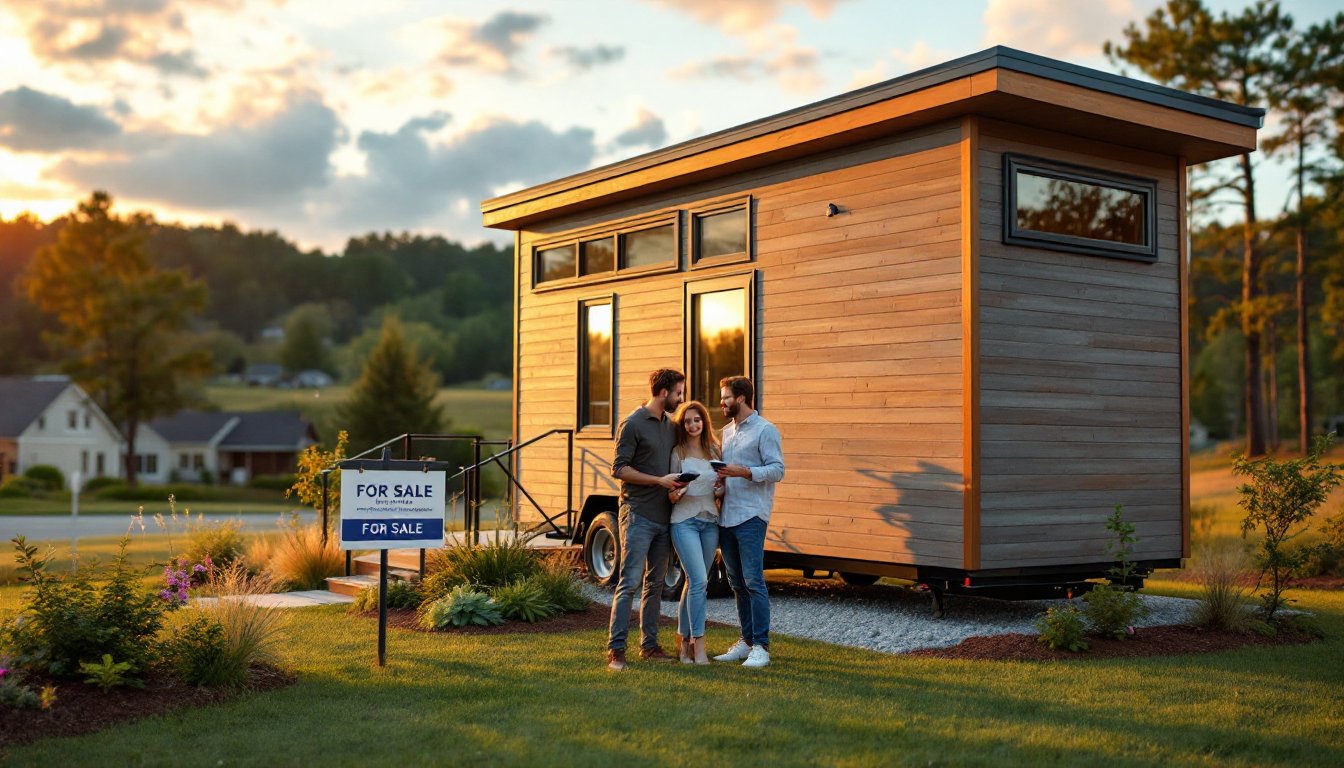
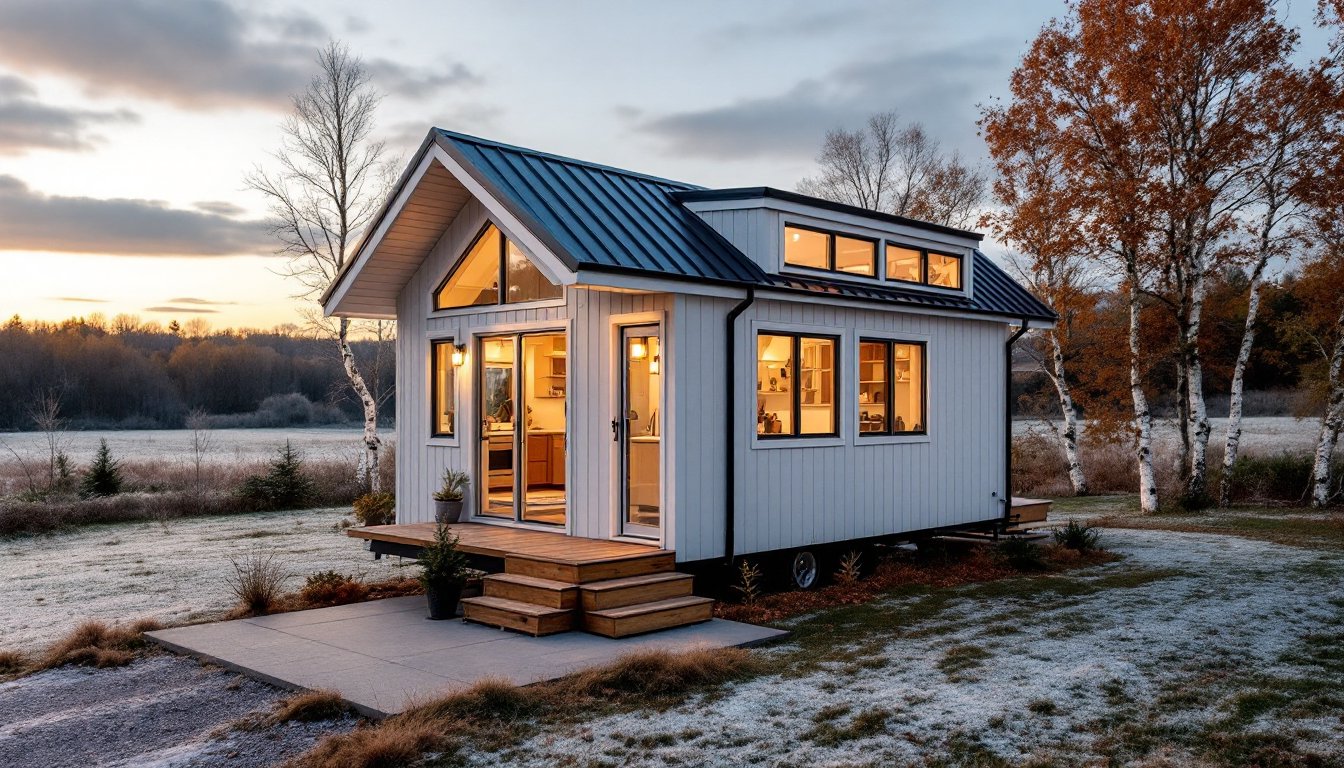
Tiny life homes are dwellings that typically measure under 400 square feet, though some definitions extend to 500 square feet depending on local codes. They’re engineered to maximize functionality in minimal space, think movable walls, multi-purpose furniture, and vertical storage that would make a boat designer nod in approval.
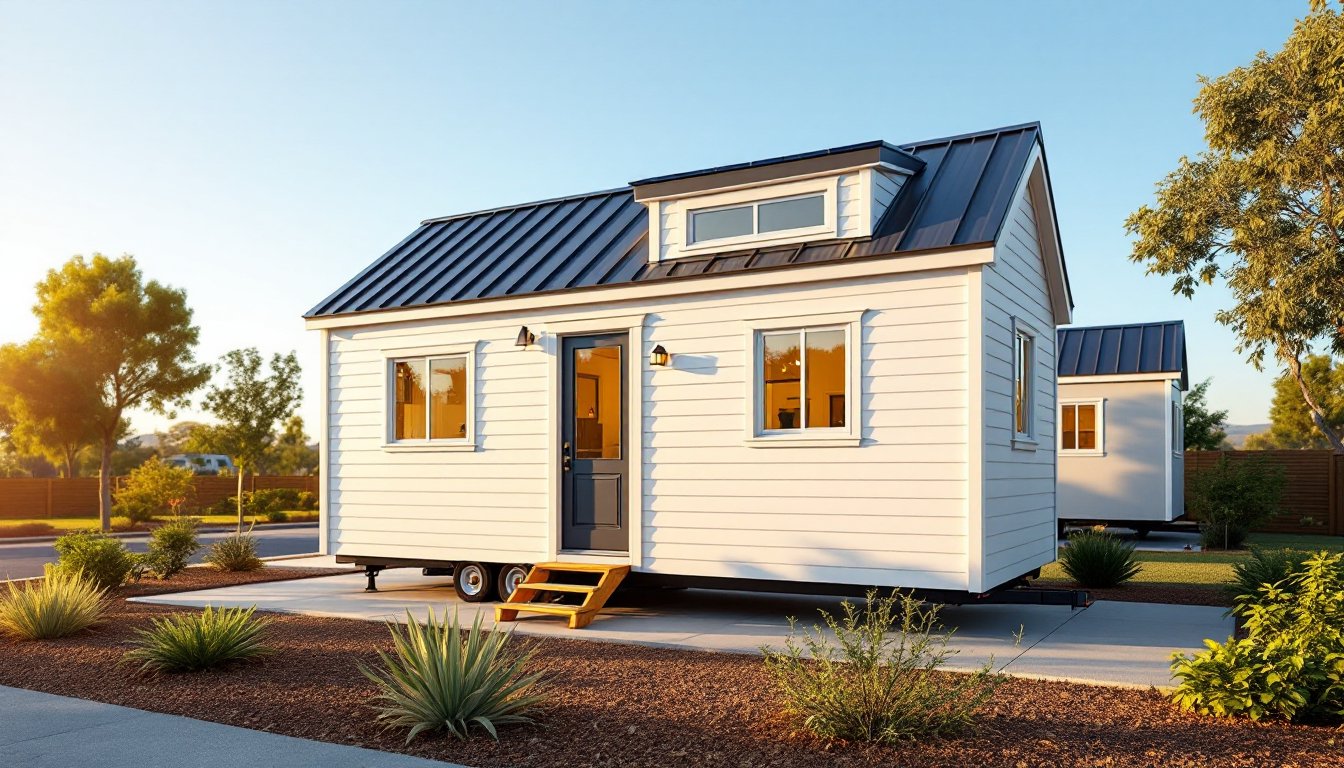
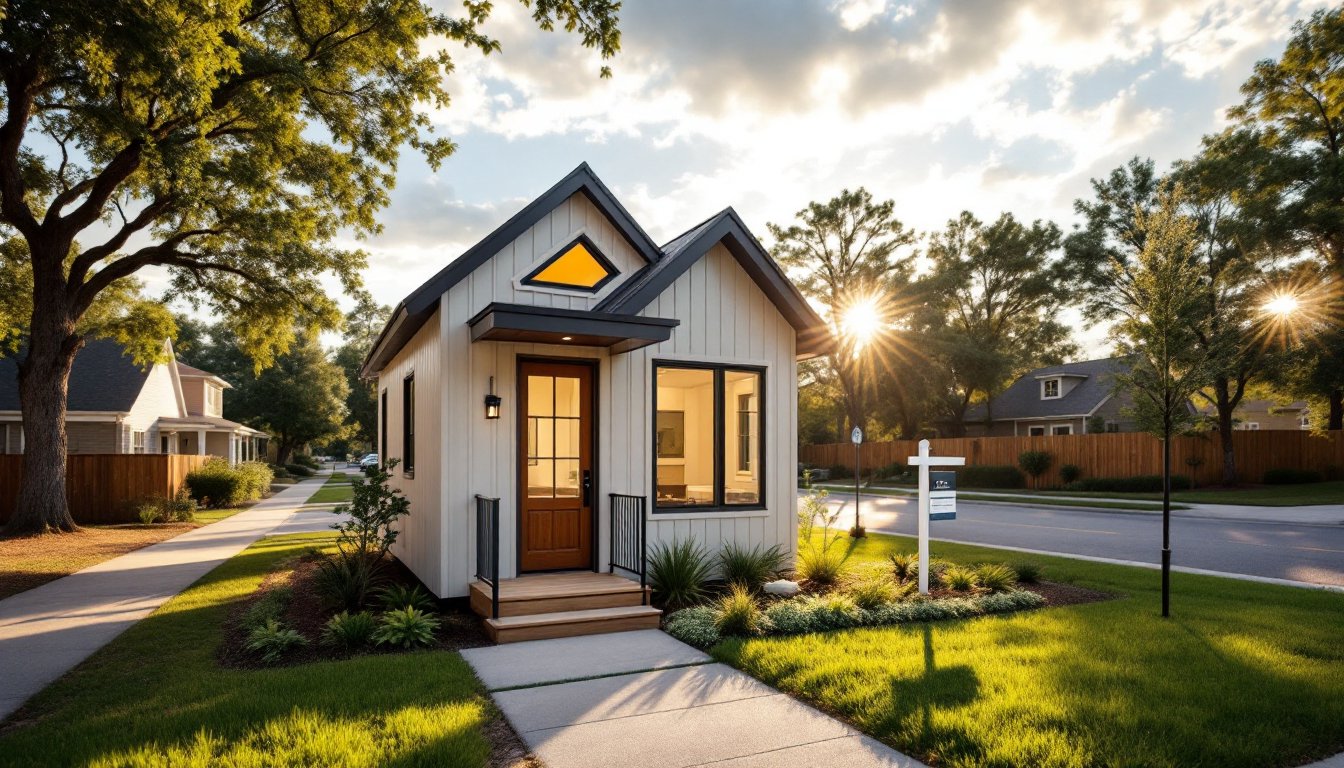
These homes come in several flavors: manufactured tiny homes on permanent foundations, portable units on trailers (subject to RV regulations in most states), and converted ADUs (accessory dwelling units) in existing yards. The key difference from traditional homes is intentionality. Every square foot has a job. A kitchen might double as a dining area. A loft bed frees up floor space for a living room or office.
Building codes vary significantly by jurisdiction, some municipalities have adopted specific tiny home ordinances, while others classify them as RVs or secondary dwellings with different permitting requirements. Before you break ground, check your local zoning department. What’s legal in Portland, Oregon might be zoned out in many suburban areas. Structural requirements (foundation depth, insulation R-values, roof load capacity) follow standard building codes, but tiny homes sometimes require creative solutions like engineered trusses or composite materials to meet code while saving weight and space.
Why Homeowners Are Choosing Tiny Living
Affordability and Financial Freedom
The math is straightforward: smaller footprint, lower construction costs, reduced utility bills, and minimal property taxes. A modest tiny home can be built or purchased for $30,000 to $80,000, compared to the US median home price hovering near $400,000. That opens the door to homeownership for first-time buyers, remote workers seeking flexibility, and anyone tired of carrying a 30-year mortgage.
Beyond purchase price, operating costs plummet. Heating and cooling 200 square feet instead of 2,000 cuts energy expenses dramatically, sometimes by 70 percent or more. Property taxes scale down with assessed value. Maintenance work (painting, roofing repairs, foundation sealing) costs less simply because there’s less surface area to maintain. The financial freedom compounds when you’re not anchored to a massive debt load.
Sustainability and Environmental Impact
Smaller homes demand fewer raw materials during construction. A 300-square-foot frame uses a fraction of the lumber, drywall, and concrete of a traditional home. Over a lifetime, reduced heating and cooling shrinks your carbon footprint significantly, the average home accounts for roughly 5 tons of carbon emissions annually, and a tiny home can cut that by half or more.
Many tiny homeowners intentionally pair their small footprint with sustainable practices: solar panels (easier to power a 200-square-foot space), rainwater collection, composting toilets, and passive design strategies like strategic window placement for natural light and thermal mass. Essential Tiny Homes Tips highlight how deliberate material choices compound these benefits. Reclaimed wood flooring, low-VOC paint, and recycled insulation keep environmental impact minimal while maintaining durability.
Design and Layout Strategies for Tiny Homes
Maximizing Storage and Organization
Storage is the backbone of functional tiny living. Wasted space is wasted money. Built-in shelving, under-stair drawers, ceiling-mounted cabinets, and fold-down desks aren’t luxuries, they’re necessities. Vertical thinking is non-negotiable: wall-mounted spice racks, pegboards for tools, floating shelves for books and décor.
Organization systems borrowed from commercial kitchens and boat design work brilliantly here. Rolling carts slide under counters. Nesting bowls and stackable storage containers maximize cabinet depth. Clear bins let you see contents without opening every drawer. The goal isn’t minimalism for its own sake, it’s intentional curation. Everything you keep earns its place.
Tiny Homes Strategies: Smart Approaches to Small Space Living breaks down proven layouts: the galley kitchen (two parallel counters, highly efficient), the open-concept living area (fewer walls, bigger visual footprint), and bedroom lofts (sleeping high, living low). Movable partitions and sliding barn doors create flexible zones without permanent walls, which matters if your needs shift from office to guest bedroom.
Lighting design affects how spacious a tiny home feels. Recessed lights and under-cabinet LED strips eliminate shadows and visual clutter from traditional fixtures. Light colors on walls (off-white, soft gray) reflect light better than dark paint. Large windows and skylights, where code and climate allow, make the space breathe. If you’re working with an existing space, budget home makeovers often focus on these exact principles, paint, lighting, and smart furniture choices that don’t require structural work.
Practical Renovations and DIY Projects for Small Spaces
When you’re working in tight quarters, every project matters. Here’s what makes sense as a DIY tackle and what doesn’t.
Cabinet Installation: If you’re hanging cabinets, find and mark wall studs with a stud finder, then use 1/2-inch lag bolts or cabinet screws rated for 100+ pounds. Tiny homes often use shallower cabinets (12 inches instead of standard 15 inches) to preserve walkways, measure twice. This is manageable for a confident DIYer with a drill and level.
Floating Shelves and Wall Storage: Bracket shelves use the same stud-finding principle. A french cleat system (two interlocking beveled boards) is rock-solid and adjustable. Over drywall alone, shelves sag: anchor to studs every 16 inches (on-center, the standard framing interval).
Flooring and Underlayment: In small spaces, visible transitions between rooms matter aesthetically and functionally. Vinyl plank flooring (LVP) and laminate are budget-friendly and DIY-friendly, no special tools beyond a miter saw for crosscuts and a table saw for length adjustments. Use the correct underlayment (a moisture and sound barrier): skipping it leads to squeaks and moisture damage. Allow materials 48 hours to acclimate to room temperature before installation, especially critical in tiny homes where movement is noticeable.
Paint and Finish Work: This is where effort pays off visually. Use primer on any bare drywall, stains, or color changes. One coat of primer plus two coats of finish paint goes a long way in small spaces. Eggshell or satin finishes hide imperfections better than flat paint and wipe clean easier. DIY decor projects often showcase how paint transforms a space, accent walls work, but in tiny homes, consider full-room color to avoid a choppy feel.
Multi-Functional Built-Ins: A window seat with storage underneath is a popular project. Frame it with 2×10 lumber for the base, add a hinged top with full-extension hinges, and finish it to match your décor. Use a circular saw or hand saw for crosscuts, a miter saw gives cleaner angle cuts if you’re framing a sloped ceiling or stairs. This is intermediate-level work: measure carefully.
Safety and Tools: Wear safety glasses when drilling overhead or into walls (dust and debris fall). Dust masks are essential if you’re cutting old drywall or wood, fine particles accumulate quickly in tight spaces. Hearing protection matters with power tools in small rooms (sound bounces). A basic kit includes a corded or battery drill, miter saw, level, stud finder, tape measure, and square. Rent specialty tools (pneumatic nailers, oscillating saws) rather than buying unless you’ll use them repeatedly.
What not to DIY: Plumbing and electrical work in tiny homes often requires permits and licensed professionals, especially if you’re moving walls or upgrading service panels. HVAC systems in small spaces are fussy, undersizing leads to temperature swings: oversizing wastes energy. Structural work (removing load-bearing walls, sistering joists, roof truss repairs) always requires engineering and permits. How to Build a Tiny Home digs deeper into which phases demand professional expertise and why cutting corners in framing, insulation, or foundation work creates problems down the line.
Before starting any project, verify local codes. A 3-foot-wide hallway might be code-minimum, but that margin disappears if cabinets or shelving encroach. Permits aren’t always required for cosmetic work (paint, shelving under 50 pounds), but they typically are for electrical, plumbing, and structural changes. A $150 permit fee beats a failed inspection that forces you to tear out completed work.
Moving Forward With Tiny Life Homes
Tiny life homes aren’t for everyone, but they reward thoughtful planning and sweat equity. The combination of affordability, sustainability, and the challenge of making limited space work appeals to a growing slice of homeowners. Your success hinges on honest assessment: Do you actually want to downsize, or are you romanticizing it? Will your local zoning allow it? Can you commit to organization and maintenance? Tackle that prep work first, then jump into projects with confidence. The satisfaction of a well-executed renovation in a small space hits differently when you’ve done it yourself.