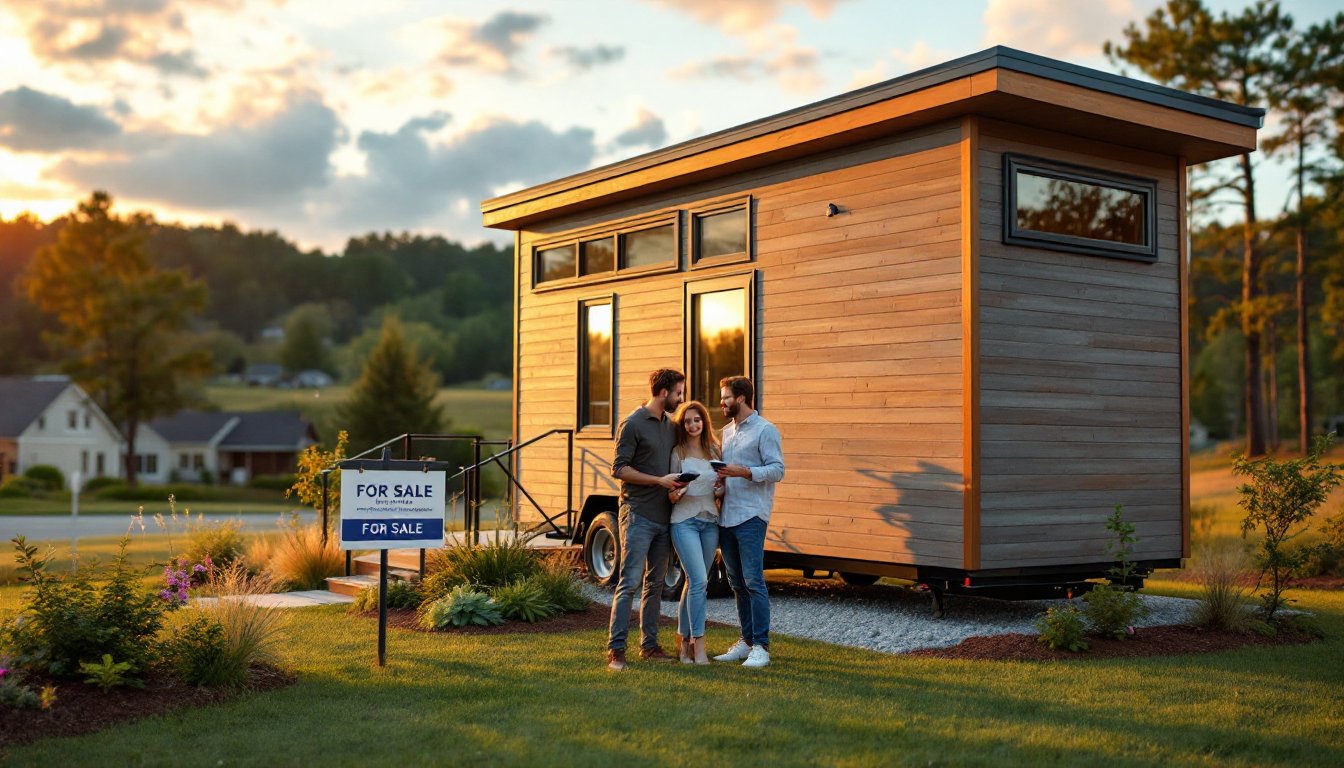
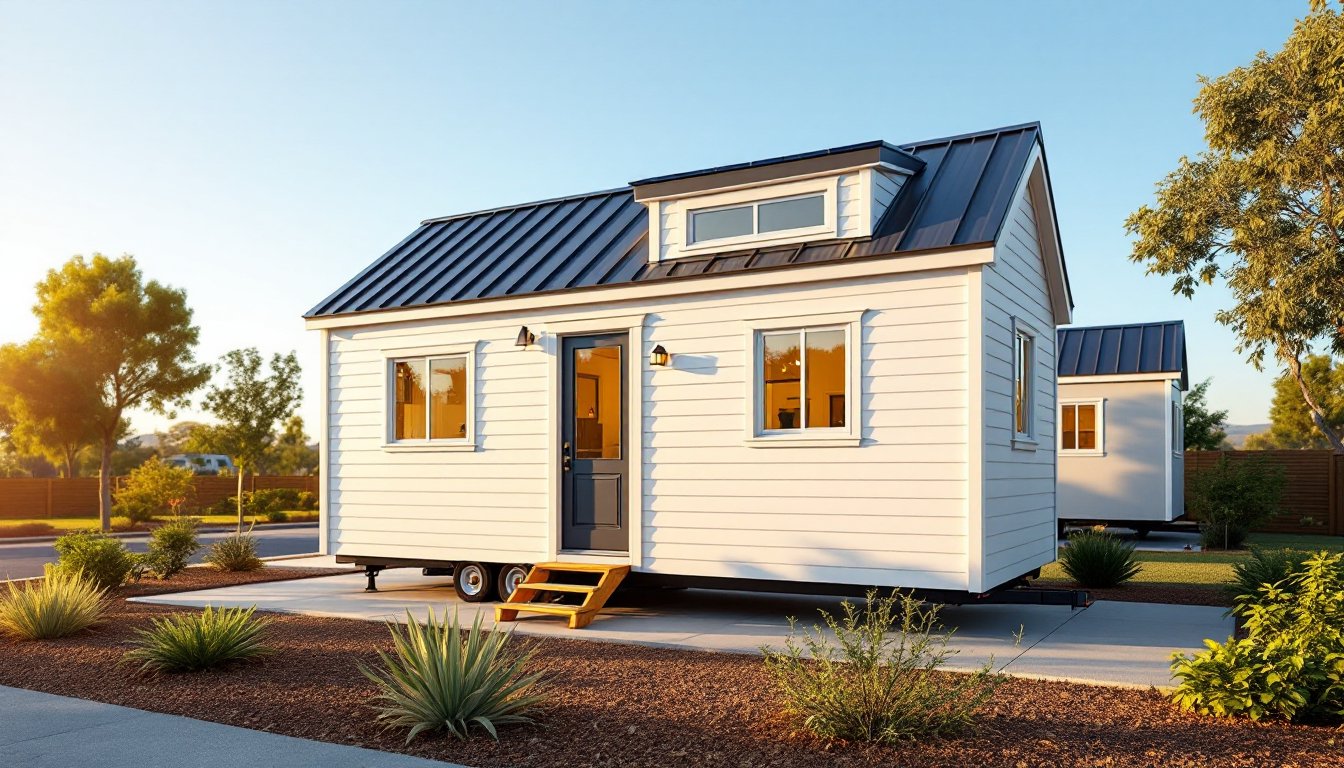
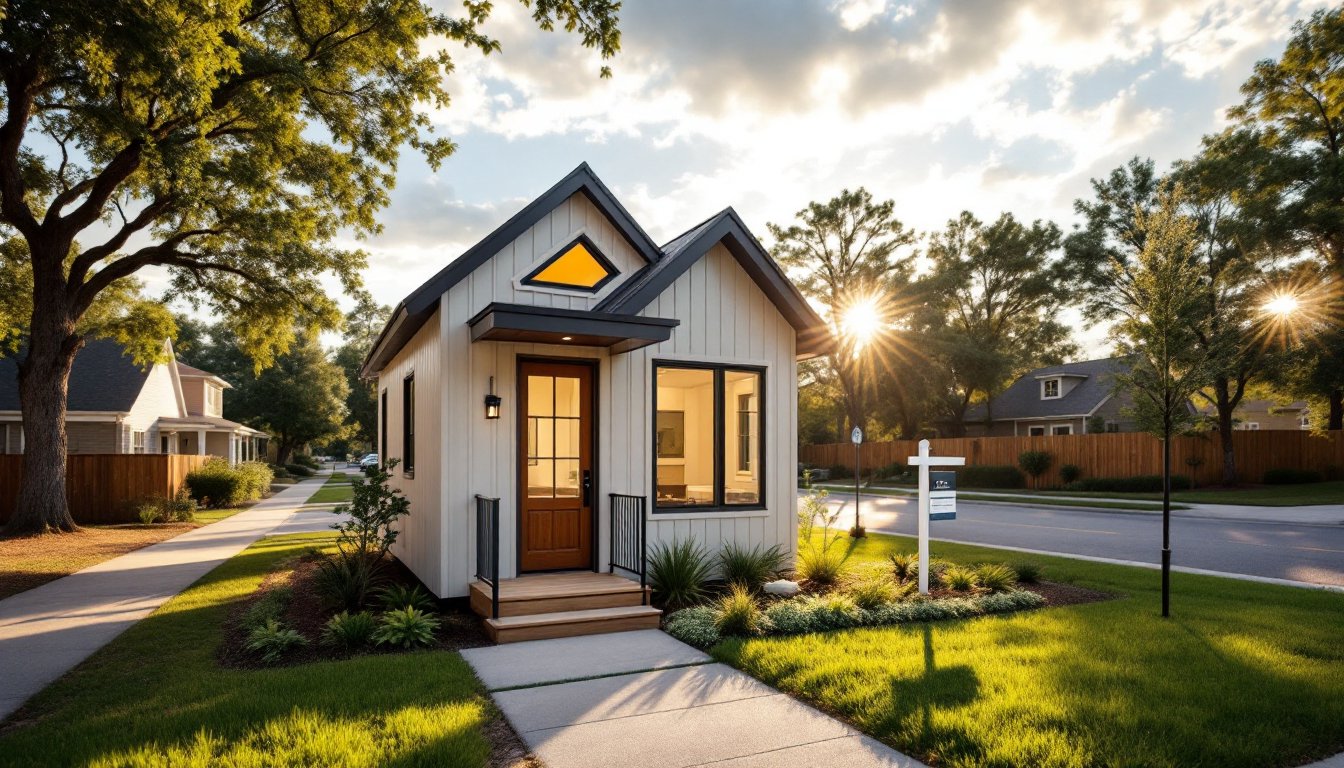
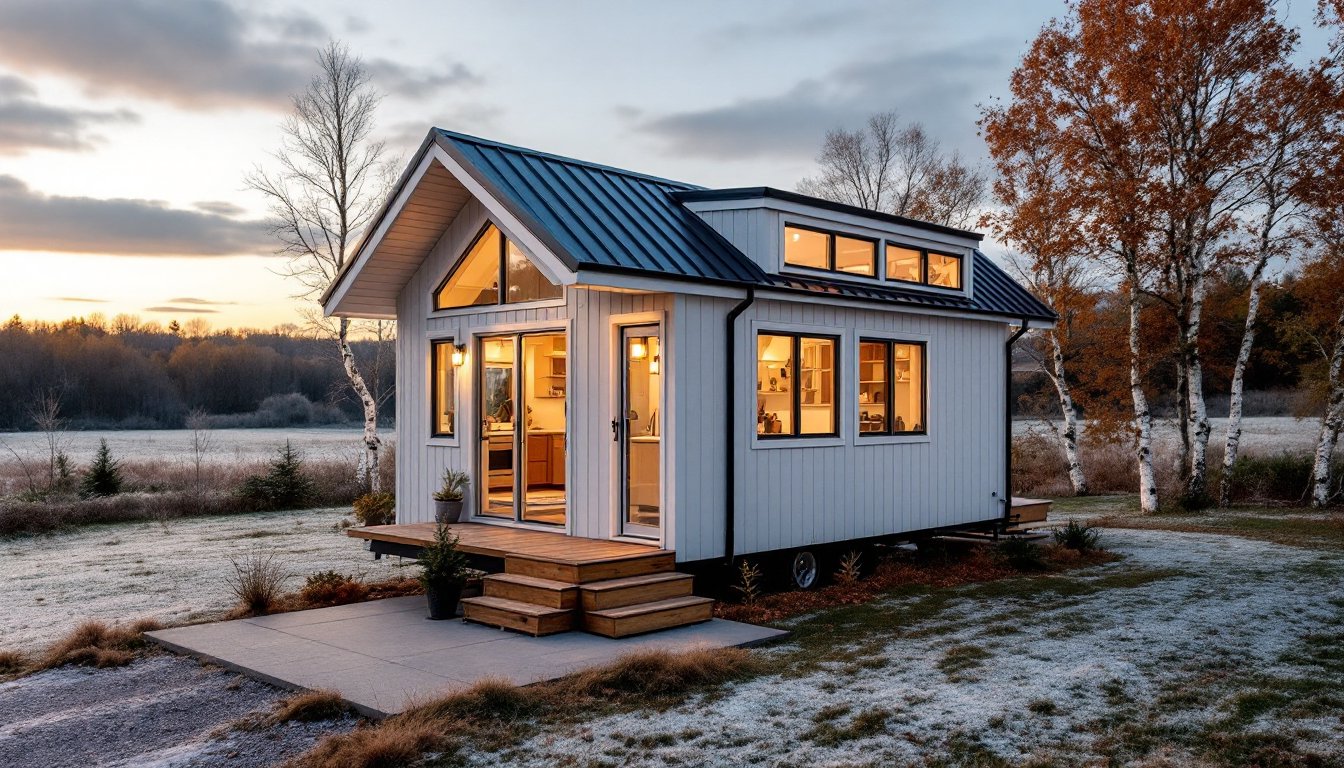
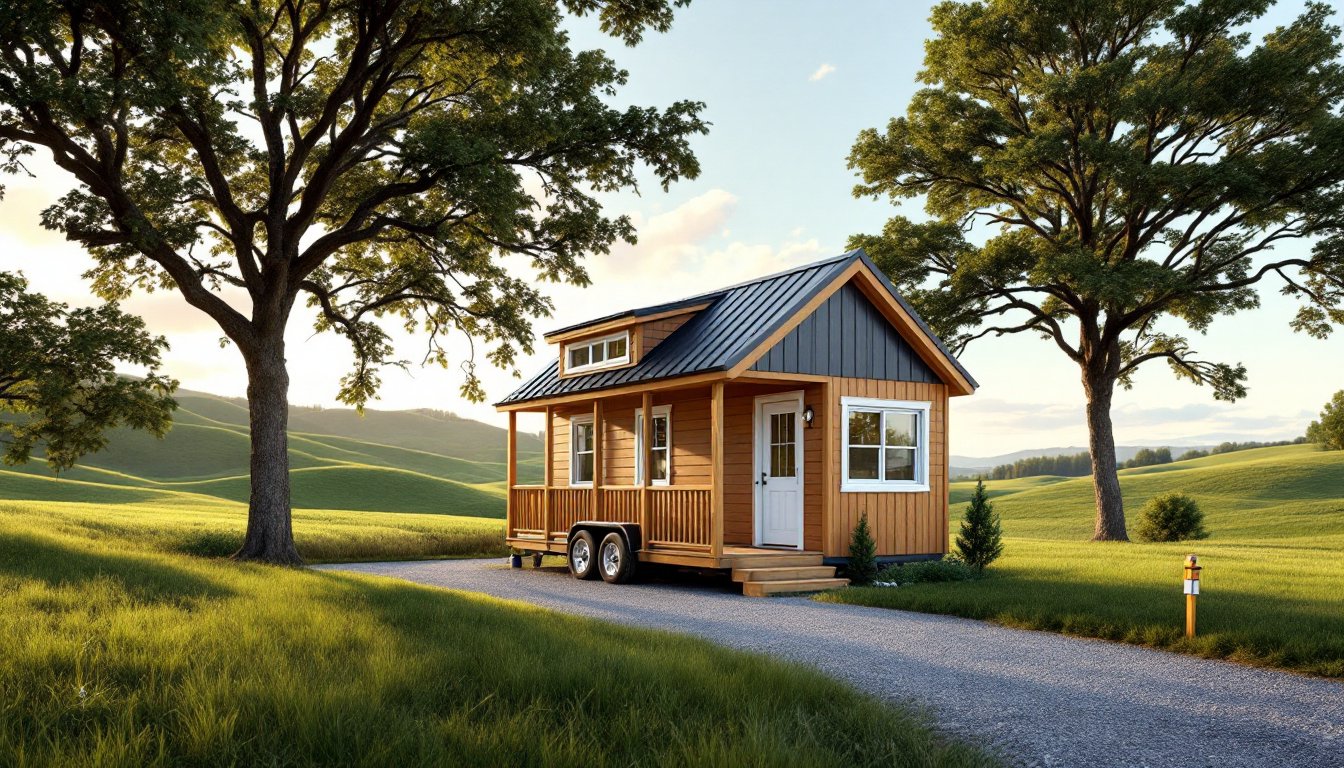
Modular tiny homes are reshaping the residential real estate landscape for budget-conscious buyers and minimalist-minded families. Unlike traditional site-built homes that take months to construct, modular tiny homes arrive in pre-fabricated sections, assembled on-site in weeks. This approach eliminates much of the waste and delay common in conventional construction. Whether you’re seeking affordable housing, a secondary property, or a downsizing option, modular tiny homes offer a practical, cost-effective path to homeownership. In 2026, the market for modular tiny homes is stronger than ever, with options ranging from $30,000 to $150,000 depending on customization and location. Let’s explore what makes these homes a compelling choice and where to find them.
Table of Contents
ToggleKey Takeaways
- Modular tiny homes for sale range from $30,000 to $150,000 and cost 15–25% less per square foot than site-built homes, offering significant affordability without compromising quality or durability.
- Factory-built modular tiny homes assemble on-site in 2–4 weeks compared to 6–12 months for conventional construction, with built-in energy efficiency features that reduce utility costs by 20–30%.
- Modular tiny homes on permanent foundations qualify for traditional mortgages, FHA loans, and VA loans, making financing straightforward and comparable to conventional real property mortgages.
- Extensive customization is available within modular frameworks—from floor plan configurations and interior finishes to exterior cladding and lofted designs—allowing buyers to personalize their homes during production.
- Site preparation costs ($15,000–$40,000) for land, foundation, permits, and utilities must be budgeted separately from the home’s purchase price to avoid financial surprises.
- The competitive 2026 market shows increasing availability across price points, but inventory moves quickly—define your budget, research manufacturers, and secure pre-approval early to strengthen your position.
What Are Modular Tiny Homes?
Modular tiny homes are factory-built dwellings, typically between 300 and 500 square feet, constructed in climate-controlled facilities and transported to your foundation in complete modules. Unlike mobile homes or RVs, modular tiny homes meet local building codes and sit on permanent foundations, meaning they’re classified as real property, not personal property.
The difference between modular and site-built matters legally and structurally. Factory assembly ensures consistency: each component is built to spec, inspected indoors without weather delays, and transported as a finished unit. On-site, a licensed contractor sets the home on a permanent concrete foundation and connects utilities (electrical, plumbing, HVAC). This process typically takes two to four weeks from delivery to move-in readiness.
These homes aren’t tiny by accident, they’re designed intentionally. Efficient floor plans use every inch: loft bedrooms, multi-function furniture, and smart storage maximize livable space. Materials are high-grade because factory builders optimize for durability and energy efficiency. Walls often include better insulation than site-built homes, reducing long-term utility bills. The quality control in a factory setting beats on-site construction, where weather, crew turnover, and human error introduce variables that don’t exist indoors.
Modular tiny homes come in single-module or multi-module configurations. A single module is one rectangular section roughly 12 feet wide and up to 60 feet long. Multi-module homes (two or more sections) allow for expanded layouts and custom designs, though they’re pricier and require more complex on-site assembly.
Key Benefits of Choosing a Modular Tiny Home
The appeal of modular tiny homes goes beyond aesthetics. Buyers choose them for speed, affordability, quality, and sustainability.
Speed to occupancy is a major draw. Factory-built modules are completed while your foundation is being poured. Once the site is ready, assembly and utility connections take 2–4 weeks. Compare that to 6–12 months for a conventional build, and the time savings compound in your favor, especially if you’re renting elsewhere while your new home is finished.
Energy efficiency is built in. Modular homes are constructed in controlled environments where every seal, joint, and insulation layer is inspected. There’s no weather exposure during assembly, no gaps from job-site moisture or material waste. Many modular tiny homes come with high-efficiency HVAC systems, double-pane windows, and LED-ready wiring that reduces monthly utility costs by 20–30% compared to older conventional homes.
Sustainability appeals to environmentally conscious buyers. Factory building cuts construction waste by up to 50% because offcuts and materials are reused in-house. Transportation is also measured: modules travel via truck in consolidated shipments, not scattered deliveries. Some manufacturers use renewable materials, recycled insulation, and low-VOC finishes.
Financing and insurance are straightforward. Unlike mobile homes, modular tiny homes on permanent foundations qualify for traditional mortgages, FHA loans, and VA loans. Property tax assessments treat them like conventional real estate, and homeowners insurance is comparable to site-built homes of the same value.
Cost Savings and Affordability
The price advantage is the elephant in the room. Modular tiny homes cost 15–25% less per square foot than site-built homes, depending on local labor costs and material markets. A 400-square-foot modular tiny home might cost $60,000 to $80,000 fully assembled, versus $120,000–$160,000 for a comparable site-built home in the same region.
Factory efficiency drives savings. Labor costs are lower because crew scheduling is predictable, and material waste is minimized. You’re not paying for extended supervision, weather delays, or rework. The manufacturer absorbs economies of scale across dozens of units produced annually.
Don’t confuse “affordable” with “cheap.” A $70,000 modular tiny home built to code with quality finishes is fundamentally different from a $15,000 travel trailer. You’re getting a real house on real property, financed like a house, with the durability and resale potential that entails. The affordability comes from eliminating waste and inefficiency, not from cutting corners.
But, land, foundation, permits, and utility connections aren’t included in the home’s quoted price. Budget an additional $15,000–$40,000 for site prep, depending on soil conditions, local permit fees, and how far utilities are from the property line.
Where to Find Modular Tiny Homes for Sale
Finding a modular tiny home requires knowing where to look. The market is fragmented between established manufacturers, regional builders, and newer startups.
National manufacturers like Blokable, Novaspace, and Acorn Tiny Homes have online marketplaces where you can browse inventory, configure options, and get quotes. These companies handle everything: design, production, transport, and on-site setup. Prices are transparent, and you get a warranty backing the structure and components.
Local and regional builders often specialize in modular homes and can tailor designs to your lot and climate. Search for “modular home builders near [your city]” and ask for local references and completed projects. Regional builders may cost slightly more but offer personalized support and faster permitting because they understand local codes.
Online marketplaces like Craigslist, Facebook Marketplace, and Zillow sometimes list used or demo modular tiny homes. Buying used saves 20–30%, but inspect the home thoroughly and verify its foundation condition. A structural engineer’s inspection (typically $300–$600) is money well spent on a used home.
Research indicates that 10 tiny prefab homes under $100,000 are accessible in most markets, and the best prefab tiny homes currently available showcase real examples with photos and specifications.
Tiny Homes Trends 2026: market shows increasing availability of modular units across price points, from entry-level options to luxury builds. Demand remains high, so don’t assume inventory will wait. If you find a home you like, move quickly.
Financing and Loan Options for Modular Tiny Homes
Financing a modular tiny home is simpler than most people expect, provided the home sits on a permanent foundation in your name and qualifies as real property.
Conventional mortgages are the standard route. Banks treat modular homes like site-built homes if they meet local codes. You’ll need 10–20% down, a decent credit score (typically 620+), and proof of income. Interest rates are comparable to conventional mortgages, usually 0.25–0.5% higher than prime rates because tiny homes are viewed as niche products. Loan terms run 15–30 years.
FHA loans are available for modular tiny homes, opening doors for first-time buyers and those with lower down payments (as little as 3.5%). The home must meet FHA property standards and be appraised by an FHA-approved appraiser. Appraisals for tiny homes can be tricky because comparables are limited: work with your lender to find an appraiser experienced in small-footprint homes.
VA loans (for veterans) often apply to modular homes with no down payment required. Verify with your VA lender that the modular home qualifies and that the builder is VA-approved.
Construction financing is an option if you’re financing the land and build separately. You’d borrow against the land, then convert to a permanent mortgage once the home is completed and occupied. This adds complexity and cost but allows flexibility in customization.
Disadvantages to know: Tiny homes appraise lower per square foot than conventional homes, which can affect loan amounts. Some lenders are unfamiliar with modular tiny homes and may require extra documentation. Interest rates may be slightly higher. Shop multiple lenders, credit unions often have more flexibility than national banks.
Budget for closing costs (3–5% of loan amount), property taxes, and insurance. Work with a mortgage broker familiar with tiny homes: they can guide you to lenders who understand the market.
Customization and Design Possibilities
One misconception about modular tiny homes is that they’re cookie-cutter. In reality, most manufacturers offer extensive customization within their modular framework.
Floor plan options vary by builder. Single-module homes often come in 2–3 standard layouts. Multi-module homes allow custom combinations: place the bedroom module on one end, living/kitchen in the middle, and a secondary bedroom or office on the other. You’re assembling the puzzle, not buying a fixed unit.
Interior finishes are highly customizable. Choose kitchen cabinets, countertop materials, flooring (vinyl plank, tile, or hardwood), wall colors, and fixture styles. Higher-end builders offer options like bamboo cabinetry, quartz countertops, and smart home wiring. Upgrades add cost but typically run less than retrofitting after purchase.
Exterior cladding affects the home’s curb appeal. Options include metal siding, fiber cement board, wood lap, or brick veneer. Roofing choices range from asphalt shingles to metal roofing (which lasts longer and reflects heat). These selections are made during production, so plan ahead.
Lofts and multi-level designs are common in tiny homes. A 20-foot-tall interior can accommodate a sleeping loft above, freeing main-floor space for living areas. Some homes include built-in shelving, fold-down desks, and murphy beds designed specifically for small spaces.
Work closely with the manufacturer’s design team. They understand what’s structurally feasible and what violates code. The best custom tiny homes balance your vision with factory constraints, you want something beautiful, functional, and buildable. Most manufacturers offer 3D renderings before production, so you can review every detail.
Tiny homes techniques show how builders maximize space, and essential tiny homes tips help new owners make the design work for daily life.
Conclusion
Modular tiny homes for sale represent a practical, affordable path to homeownership in 2026. They’re built faster, cost less per square foot, and meet the same code standards as conventional homes. Whether you’re a first-time buyer, downsizer, or investor, modular tiny homes offer flexibility that site-built construction can’t match.
The key is understanding what you’re buying: a real house on real property with real financing options, not a mobile home or RV. Start by defining your budget, location, and must-have features. Research local manufacturers and national builders. Get pre-approved for financing early, it clarifies your real budget and strengthens your position when negotiating. Plan for site costs (foundation, utilities, permits) on top of the home’s purchase price. And remember: the best tiny home is the one that fits your life, not Instagram’s vision of minimalism.
The market is competitive, and inventory moves. If modular tiny homes align with your goals, begin your search now.