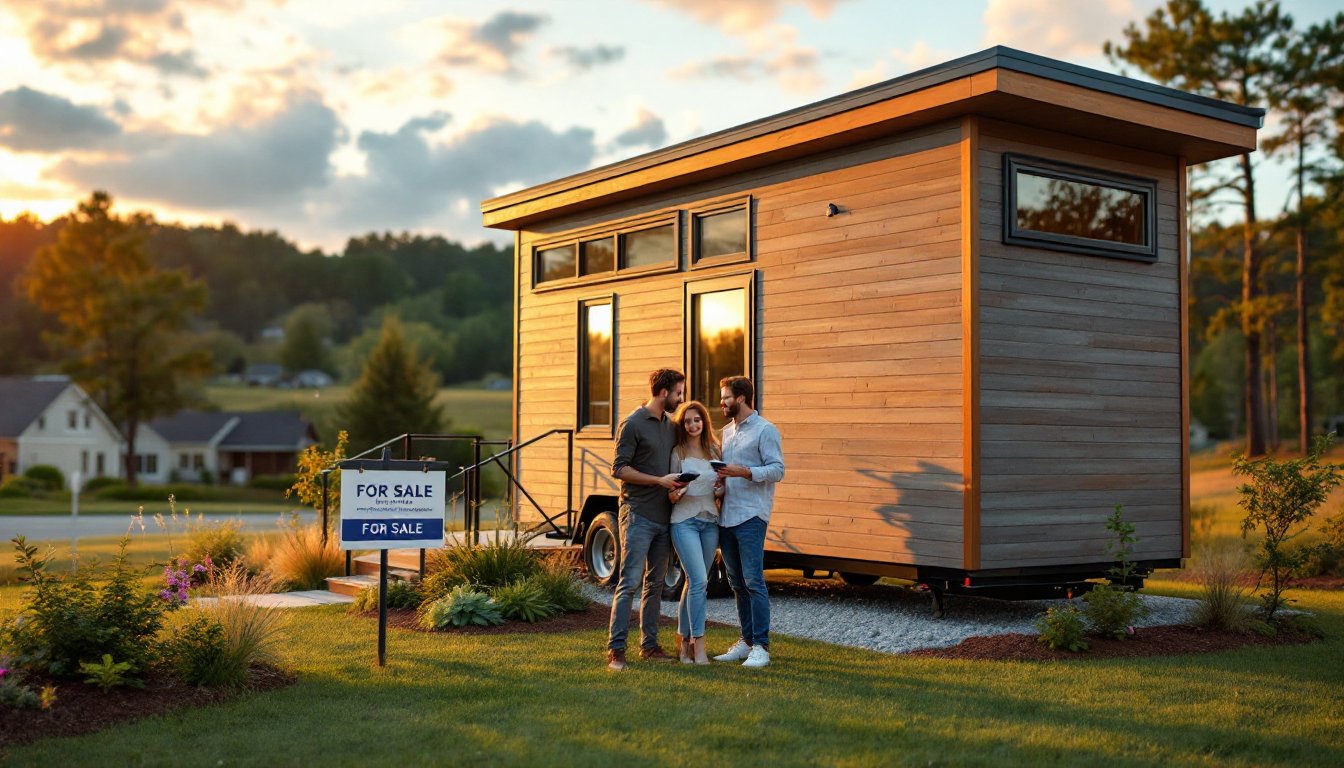
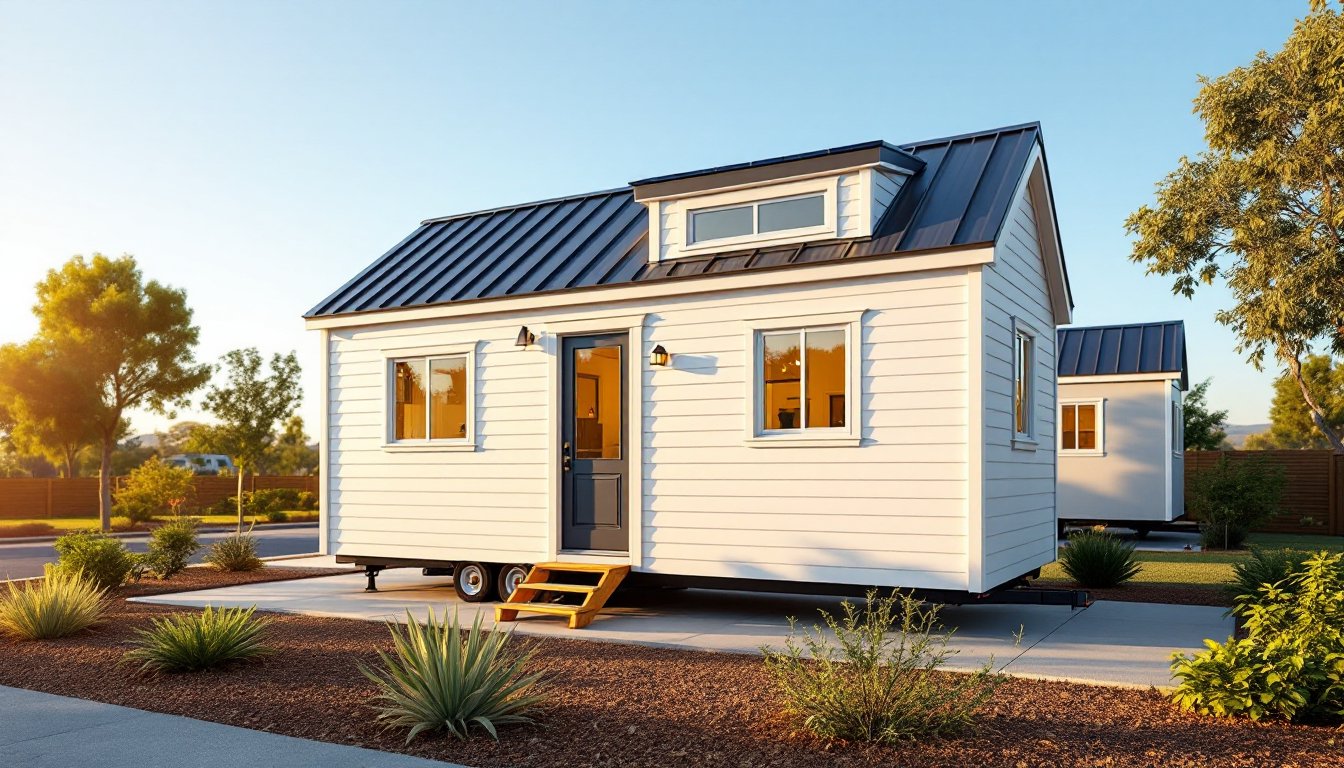
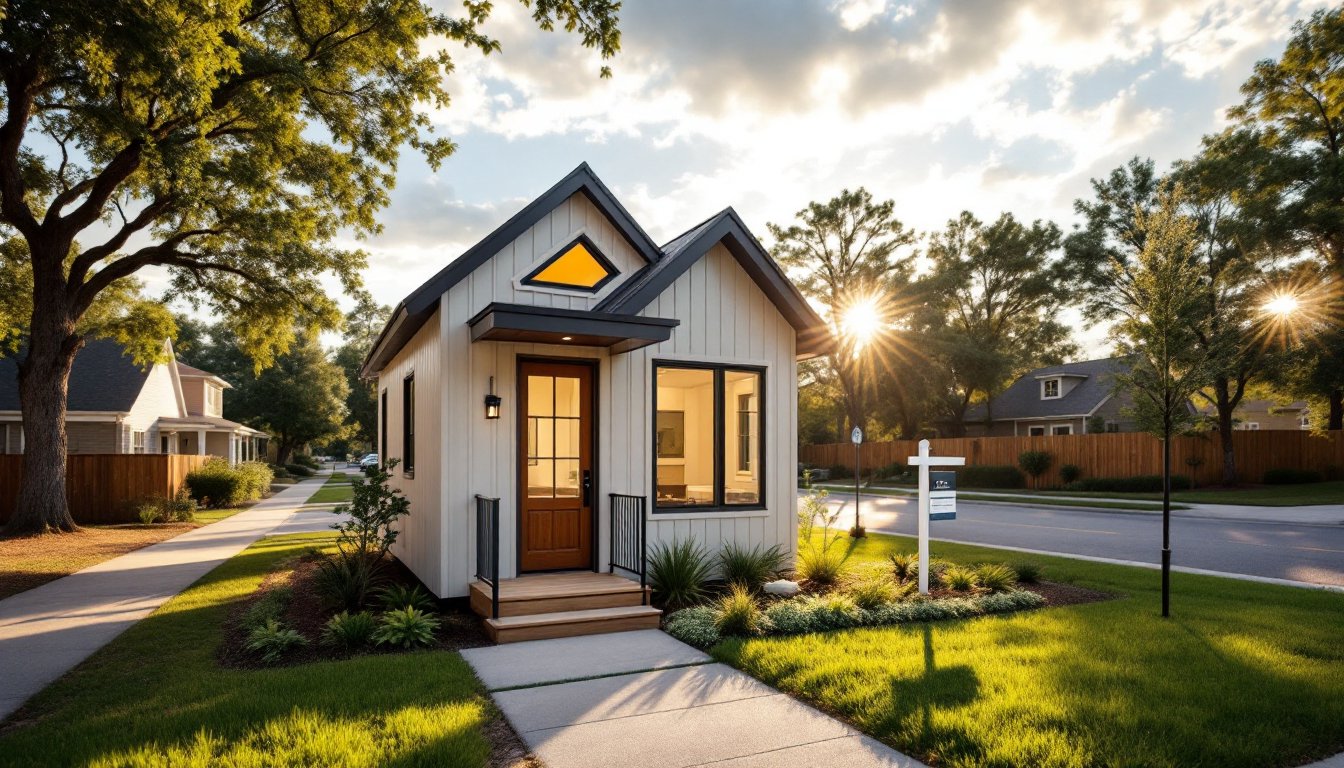
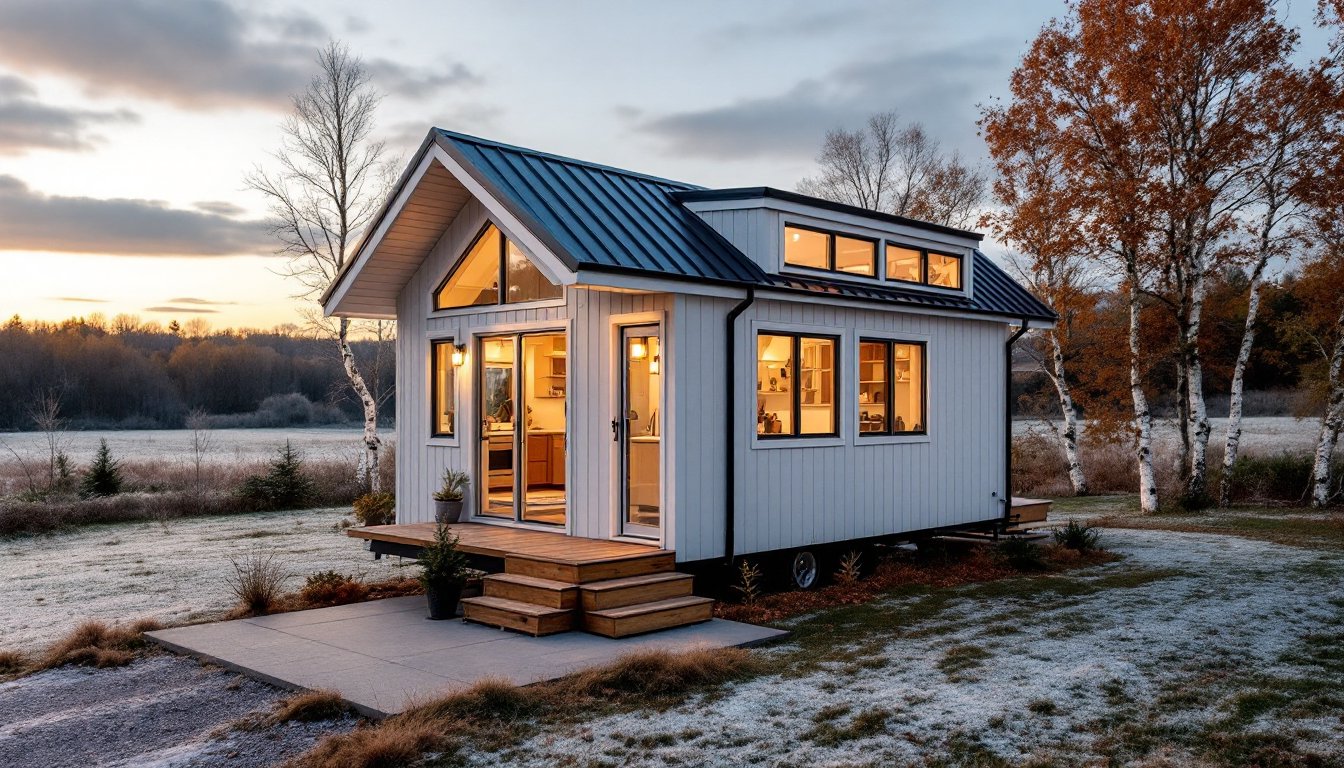
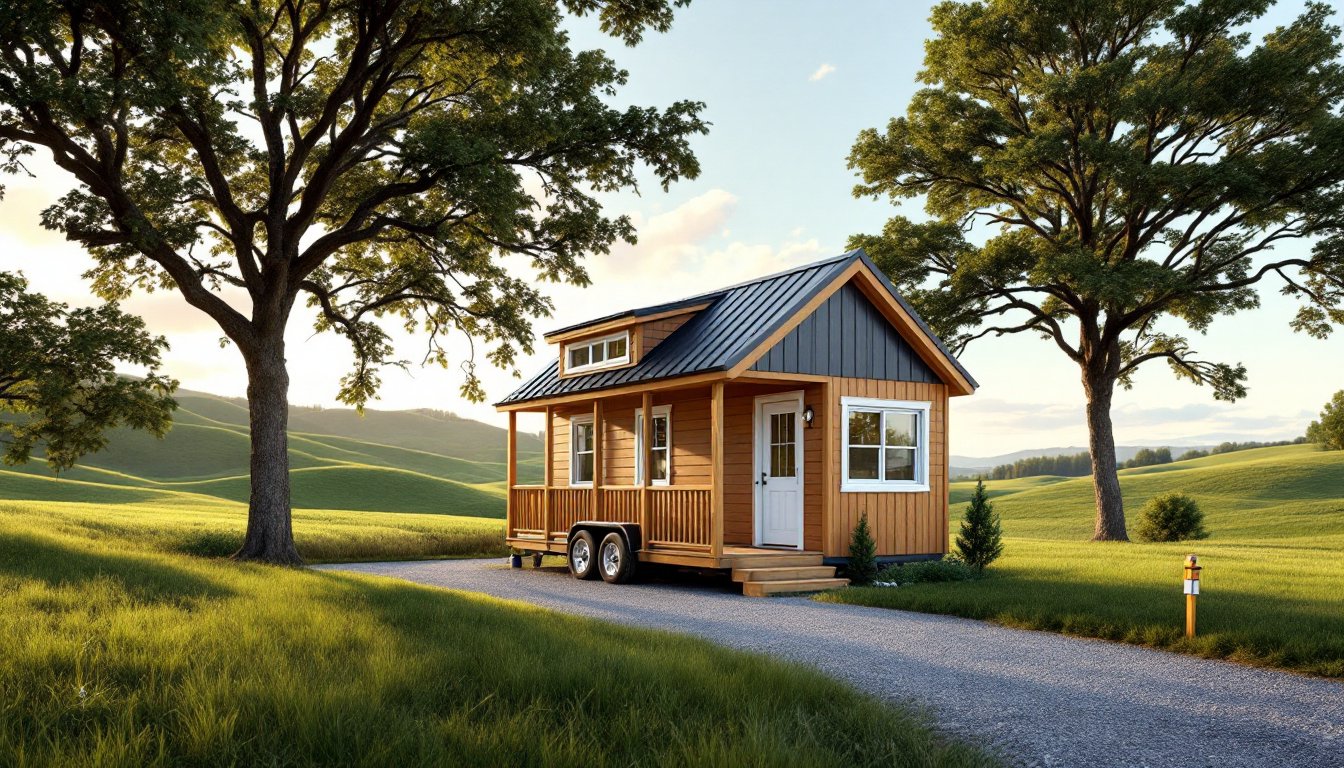
Tiny homes techniques have transformed how people approach small-space living. These building methods allow homeowners to maximize every square foot while maintaining comfort and functionality. Whether someone plans to build a 200-square-foot cabin or a 400-square-foot modern dwelling, the right techniques make all the difference.
The tiny home movement continues to grow. According to recent housing data, over 10,000 tiny homes are built annually in the United States alone. This surge in popularity stems from rising housing costs, environmental concerns, and a desire for simpler living. But successful tiny home construction requires specific knowledge, from structural considerations to smart storage solutions.
This guide covers the essential tiny homes techniques builders and DIY enthusiasts need to know. Each method addresses the unique challenges of compact construction while prioritizing livability and long-term durability.
Table of Contents
ToggleKey Takeaways
- Tiny homes techniques focus on maximizing every square foot through open floor plans, vertical space utilization, and strategic window placement.
- Trailer-based construction requires careful weight distribution, with tongue weight ideally between 10-15% of the total home weight.
- Spray foam and rigid foam insulation provide high R-values in thin applications, making them ideal for tight wall cavities in tiny homes.
- Mini-split heat pumps efficiently heat and cool spaces up to 500 square feet, representing the gold standard for tiny home climate control.
- Built-in storage solutions like stair drawers, bench compartments, and Murphy beds transform dead space into functional living areas.
- Multi-purpose furniture and hidden storage techniques—such as toe-kick drawers and ceiling-mounted platforms—are essential tiny homes techniques for clutter-free living.
Space-Saving Design Strategies
Effective tiny homes techniques start with intentional design choices. Every inch matters in a small space, so builders must think strategically from the first sketch.
Open Floor Plans
Open floor plans eliminate unnecessary walls and create visual continuity. A kitchen that flows into a living area feels larger than the same square footage divided into separate rooms. Many tiny home builders use partial walls or furniture placement to define zones without closing off space.
Vertical Space Utilization
Ceilings in tiny homes should work as hard as the floors. Lofted sleeping areas represent one of the most popular tiny homes techniques, they free up ground-level space for daily activities. Some designs incorporate 10-foot or higher ceilings to accommodate comfortable loft bedrooms with sitting headroom.
Wall-mounted shelving, hanging pot racks, and ceiling-suspended storage also capitalize on vertical real estate. A well-designed tiny home uses walls from floor to ceiling.
Strategic Window Placement
Windows do more than let in light. Properly placed windows create sight lines that extend perceived boundaries. Corner windows, clerestory windows near the roofline, and glass doors all contribute to an airy atmosphere. Natural light reduces the need for artificial lighting during daytime hours, which also cuts energy costs.
Structural Building Techniques for Tiny Homes
The structural approach to tiny homes differs from traditional construction. Weight limits, mobility considerations, and material efficiency all influence building decisions.
Trailer-Based Construction
Many tiny homes sit on trailers, which creates specific structural requirements. Builders must distribute weight evenly across the trailer frame. The tongue weight, the downward force on the trailer hitch, should fall between 10-15% of the total weight. Steel framing or lightweight lumber helps keep the overall weight manageable.
For trailer-based tiny homes techniques, builders often use 2×4 studs instead of 2×6 to reduce wall thickness and weight. Metal roofing panels weigh less than traditional shingles, making them a practical choice.
Foundation-Based Options
Permanent tiny homes on foundations offer more flexibility. Concrete slabs, pier-and-beam systems, and crawl spaces all work for tiny structures. Foundation-based builds can use heavier materials like stone countertops and tile flooring without weight concerns.
Some builders choose Structural Insulated Panels (SIPs) for walls and roofs. SIPs combine framing and insulation into single components, speeding up construction and improving energy performance.
Framing Considerations
Advanced framing techniques reduce lumber use while maintaining structural integrity. Spacing studs at 24 inches on center instead of 16 inches uses fewer materials. Headers over windows and doors can be sized appropriately rather than oversized. These tiny homes techniques save money and create more cavity space for insulation.
Energy Efficiency and Insulation Methods
Small spaces heat and cool quickly, but poor insulation can make them uncomfortable. Energy-efficient tiny homes techniques keep utility costs low and interior temperatures stable.
Insulation Types
Spray foam insulation offers high R-values in thin applications, perfect for tight wall cavities. Closed-cell spray foam adds structural strength and moisture resistance. A 3-inch layer of closed-cell foam provides approximately R-21 insulation.
Rigid foam boards work well for exterior sheathing. They create a continuous thermal barrier that prevents heat loss through framing members. Some builders combine rigid foam on the exterior with fiberglass batts in wall cavities for maximum performance.
Wool and cotton insulation provide natural alternatives. These materials regulate moisture and resist mold growth. They cost more than fiberglass but appeal to environmentally conscious builders.
Windows and Doors
Double-pane or triple-pane windows prevent heat transfer. Low-E coatings reflect infrared light, keeping interiors cooler in summer and warmer in winter. Quality weatherstripping around doors and windows eliminates drafts.
Heating and Cooling Systems
Mini-split heat pumps represent the gold standard for tiny homes techniques related to climate control. A single unit can heat and cool spaces up to 500 square feet efficiently. Propane heaters, wood stoves, and radiant floor heating also work in compact homes.
Creative Storage and Multi-Functional Solutions
Storage defines livability in tiny homes. Without smart solutions, clutter quickly overwhelms small spaces.
Built-In Storage
Stairs with drawer compartments maximize otherwise wasted space. Each step can hold shoes, books, or seasonal items. Some designs incorporate pull-out pantries under staircases or behind walls.
Benches with lift-up seats provide hidden storage throughout living areas. Window seats, dining benches, and entryway seating can all include compartments. These tiny homes techniques add function without adding visual clutter.
Multi-Purpose Furniture
Furniture that serves multiple purposes stretches square footage. Murphy beds fold into walls during daytime hours, transforming bedrooms into offices or workout spaces. Convertible tables expand for dining and collapse for daily use. Sofa beds accommodate overnight guests without requiring a dedicated room.
Some builders install fold-down desks and tables directly into walls. These features stay flush when not in use, maintaining clean sight lines.
Hidden and Unexpected Storage
The best tiny homes techniques find storage where others see dead space. Toe-kick drawers beneath kitchen cabinets hold flat items like baking sheets. Hollow ottomans store blankets and pillows. Magnetic strips on walls hold knives and metal containers.
Ceiling-mounted platforms can lower on pulleys to access seasonal items. Overhead garage-style storage works in utility areas. Every cavity, corner, and surface presents a potential storage opportunity in thoughtfully designed tiny homes.