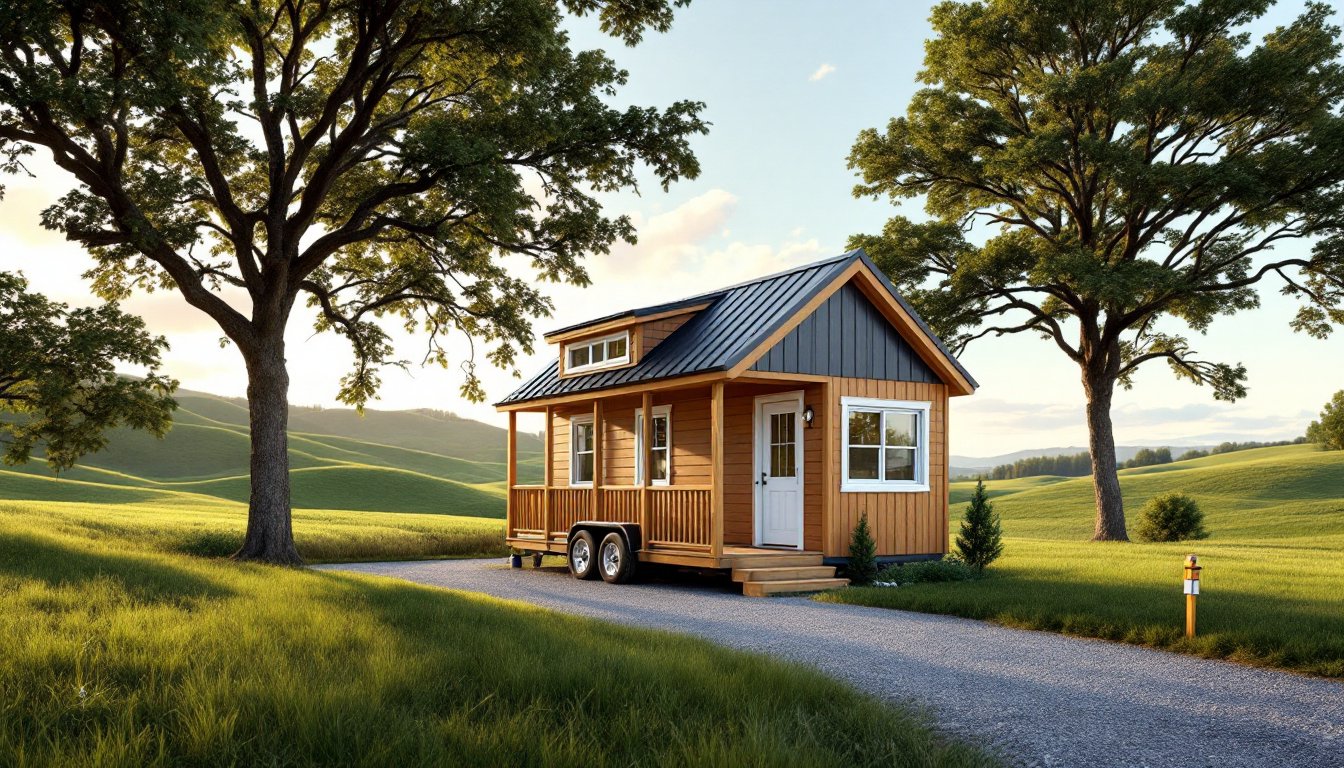
Michigan’s housing market is shifting. As affordability pressures mount and remote work untethers people from commutes, tiny homes, dwellings under 400 square feet, are gaining real traction across the state. Whether it’s a 200-square-foot cottage on the shores of the Great Lakes or a compact homestead in suburban Detroit, Michigan residents are discovering that downsizing doesn’t mean sacrificing comfort or style. This guide walks you through what tiny home living looks like in Michigan right now, including zoning realities, financing options, and design strategies that actually work in tight quarters.
Table of Contents
ToggleKey Takeaways
- Tiny homes in Michigan offer financial freedom through lower property taxes, reduced utility bills ($40–$80 monthly), and minimal maintenance overhead, making them increasingly popular among millennials and retirees.
- Michigan lacks statewide tiny home regulations, so zoning rules vary significantly by municipality—verify local codes and request a zoning verification letter before purchasing, as most cities require 800–1,200 square feet for standard residential dwellings.
- Financing tiny homes remains challenging; explore personal loans, construction loans through credit unions, seller financing from builders, or RV loans to overcome bank hesitation toward sub-400-square-foot properties.
- Progressive communities like Ann Arbor, East Lansing, and Traverse City are actively supporting tiny homes through relaxed zoning and Accessory Dwelling Unit (ADU) programs, making them ideal locations for Michigan tiny home buyers.
- Smart design separates comfort from cramped living: maximize vertical storage, use open floor plans with subtle dividers, ensure adequate ventilation for Michigan’s humid summers and frozen-pipe risks, and choose multi-functional furniture measured specifically for tight quarters.
- Michigan’s climate demands superior insulation and energy-efficient design; tiny homes excel at reducing heating demands and energy consumption, making them an environmentally and economically smart choice for cold-climate living.
Why Tiny Homes Are Gaining Popularity in Michigan
Michigan’s appeal to tiny home enthusiasts comes down to economics and lifestyle. The state’s median home price sits well below the national average, especially outside major metros like Ann Arbor and Grand Rapids, but affordability alone doesn’t drive the movement.
For many Michigan residents, tiny homes represent financial freedom. A 300-square-foot home with lower property taxes, utility bills around $50–80 per month, and minimal maintenance overhead frees up cash for other priorities. Millennials and retirees alike find the simplicity attractive. You’re not spending weekends maintaining gutters or yard work: you’re actually living your life.
The environmental angle matters too. Smaller homes use less energy, less water, and less stuff overall. Michigan’s climate, with cold winters and high heating demands, makes energy efficiency a real win. Insulation standards and tight construction become practical necessities, not optional upgrades.
There’s also a cultural shift toward experiences over possessions. Remote work has given people flexibility to relocate to Michigan’s quieter towns and lakefront communities. Essential Tiny Homes Tips for Comfortable Small-Space Living show how residents maximize comfort in compact footprints, making the lifestyle feel less like sacrifice and more like intentional design.
Zoning Laws and Regulations for Michigan Tiny Homes
Here’s where Michigan’s tiny home picture gets complicated. Michigan doesn’t have a statewide tiny home law. Zoning is handled locally by municipalities, and local codes aren’t always friendly to tiny homes.
Most Michigan cities define “single-family dwelling” with minimum square footage requirements of 800–1,200 square feet. A 300-square-foot home doesn’t fit that box, at least on paper. Some jurisdictions classify anything under 400 square feet as “accessory dwellings” or don’t allow them in residential zones at all.
But, some Michigan communities are getting ahead of the curve. Ann Arbor, East Lansing, and parts of the Traverse City region have begun softening restrictions. A few townships now allow Accessory Dwelling Units (ADUs), small homes on the same lot as a primary residence, which gives homeowners more flexibility.
Permitting timelines vary wildly. A straightforward tiny home might get approved in 6–8 weeks: a new or unconventional design could take months, especially if the municipality requires a variance hearing. Building permits themselves run $300–$1,000 depending on the jurisdiction and home size.
Local Ordinances by Region
Northern Michigan (Traverse City, Petoskey areas): Generally more restrictive. Zoning often requires 1-acre minimum lot sizes and 800+ square feet. Some resort towns allow tiny homes in vacation rental zones only.
Southwest Michigan (Kalamazoo, Battle Creek): Mixed approach. Suburban municipalities lean stricter: rural areas offer more flexibility. Check individual township codes before committing to a purchase.
Southeast Michigan (Detroit metro, Ann Arbor): Shifting. Ann Arbor actively encourages ADUs and has relaxed some lot-size minimums. Detroit’s neighborhoods vary, some are opening to alternative housing: others hold traditional codes. Always request a zoning verification letter from the municipality before finalizing a tiny home purchase.
Best Locations for Tiny Home Communities in Michigan
A handful of Michigan locations are actively developing or welcoming tiny home communities. Knowing where they are helps you target your search.
Traverse City and Northern Michigan: Several intentional tiny home communities exist here, drawing remote workers and retirees. The cost of living is rising, but still reasonable. Winter weather is serious, plan for 200+ inches of snowfall in some areas, so insulation and roof pitch matter.
Ann Arbor: Progressive zoning and university-adjacent demand make this a hot market. Prices are higher, but infrastructure, walkability, and job opportunities support tiny living. Multiple ADU-zoned neighborhoods exist.
Lansing and East Lansing: Michigan State University’s influence has pushed the region toward alternative housing. More affordable than Ann Arbor, still progressive on zoning. Growing tiny home pockets in both cities.
Lake Michigan Shore Communities (South Haven, Saugatuck): Expensive, seasonal, and heavily tourist-focused. Tiny homes can work here if you’re remote or retired, but restrictive covenants and HOAs often limit your options.
Rural Northern Counties: Towns like Grayling, Grayling, and Manistique offer cheap land and relaxed zoning. Internet quality varies, confirm broadband availability before moving if you work remotely. These areas suit people seeking true simplicity and low-density living.
When scouting a location, visit the municipal offices, request zoning maps, and ask about pending developments. Talk to current residents about property tax trends and community attitude toward newcomers. Tiny Homes Strategies: Smart Approaches to Small Space Living can guide your evaluation process.
Cost and Financing Tips for Michigan Tiny Home Buyers
Tiny homes aren’t always cheaper than traditional homes, it depends on construction quality, location, and whether you’re buying a prefab or custom build.
Purchase Prices: A new tiny home in Michigan ranges from $35,000 (basic prefab, no foundation) to $150,000+ (custom-built, with site work). Used tiny homes cost $25,000–$80,000. Land costs in rural areas run $5,000–$15,000 per acre: suburban lots near towns are $30,000–$100,000+.
Financing Challenges: Banks hesitate to finance tiny homes because they fall outside conventional lending criteria. Many lenders won’t touch anything under 400 square feet. Your options:
- Personal loans or RV loans: Higher interest rates (7–12%), but faster approval.
- Construction loans: If you’re building custom, some Michigan credit unions offer these. Rates are competitive if your down payment is solid (20%+).
- Seller financing: Many tiny home builders offer financing directly, sometimes at reasonable rates.
- FHA loans: Rare but possible for foundation-built homes meeting minimum size requirements. Check with local FHA-approved lenders.
Ownership Costs: Property taxes on a $50,000 home in rural Michigan run roughly $80–$150 per month. Insurance is lower for tiny homes, figure $30–$60 monthly for standard homeowner coverage. Utilities average $40–$80 per month depending on insulation and heating fuel.
Before buying, get a professional inspection ($150–$300). Tiny homes often have non-standard components, check roof integrity, foundation condition, plumbing, and electrical work carefully. Hidden costs kill deals faster than sticker price.
Design and Interior Solutions for Maximizing Tiny Home Space
Smart design separates cramped from comfortable. Michigan tiny home owners succeed when they think vertically and eliminate visual clutter.
Layout Principles: Open floor plans feel spacious but can trap odors and noise. A subtle room divider, a partial wall, sliding barn door, or heavy curtain, separates zones without blocking sightlines. Loft bedrooms over living areas are standard: make sure headroom is at least 5 feet for comfort. In Michigan’s climate, ensure adequate ventilation to prevent moisture buildup during humid summers and frozen-pipe risk in winter.
Lighting: Tiny homes feel cramped if they’re dark. Maximize natural light with large windows on two walls if possible. In dark months (Michigan gets serious about 40–50 winter days with minimal daylight), install high-quality LED fixtures that mimic natural light. Layered lighting, overhead, task, and accent, makes spaces feel larger.
Color and Texture: Light, neutral walls reflect light. But don’t go sterile: accent walls, natural wood, and woven textures add warmth. Many Michigan tiny home owners use local inspiration, reclaimed barn wood, lake-house whites, and forest greens, to create personality without overwhelming the space.
Smart Storage and Multi-Functional Furniture Ideas
Storage is the make-or-break element. Without it, a tiny home devolves into chaos.
- Built-in shelving: Custom shelving under eaves, above doorways, and around windows maximizes dead space. Budget $1,500–$3,000 for professional custom carpentry.
- Vertical storage: Wall-mounted pegboards, hooks, and magnetic strips keep items accessible and visible. Over-the-door organizers work too.
- Multi-functional furniture: A bed with built-in drawers, a dining table that folds or expands, and ottomans with hidden storage serve double duty. Homedit and similar resources showcase affordable options.
- Under-stair storage: If your tiny home has a loft, the space beneath stairs is prime real estate for storage cabinetry or a pantry.
- Closet maximization: Use slim velvet hangers, shelf dividers, and hanging organizers. Install a second rod at 40 inches for short items, freeing shelf space above.
- Pantry solutions: Lazy Susans, pull-out baskets, and clear containers keep dry goods organized and visible. Proper pantry design prevents waste and maximizes usable volume.
When furnishing, measure twice, three times for a tiny home. A sectional that fits a 2,000-square-foot living room won’t fit a 150-square-foot one. Hunt for compact furniture built for small spaces. Young House Love offers practical DIY solutions and budget-friendly approaches to small-space living. How to Build a Tiny Home: A Beginner’s Guide covers construction methods that support efficient layouts.