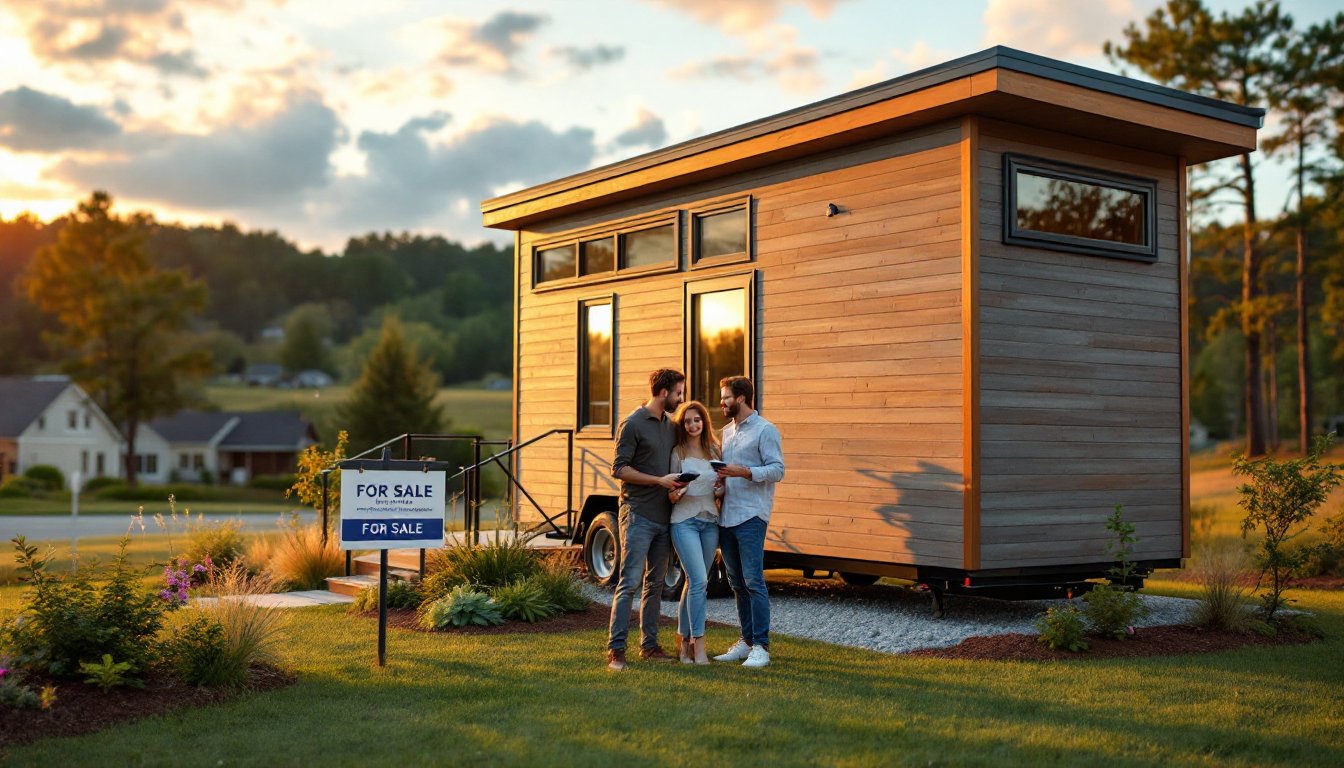
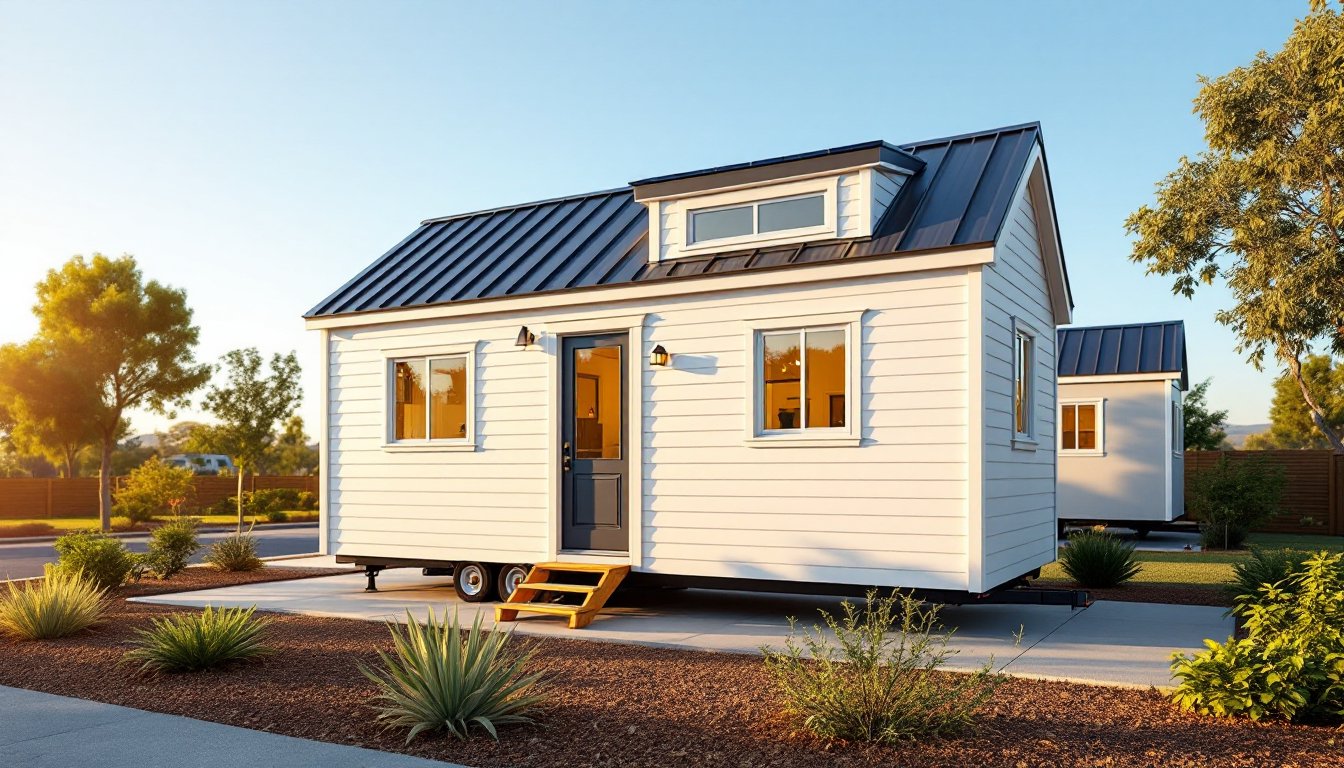
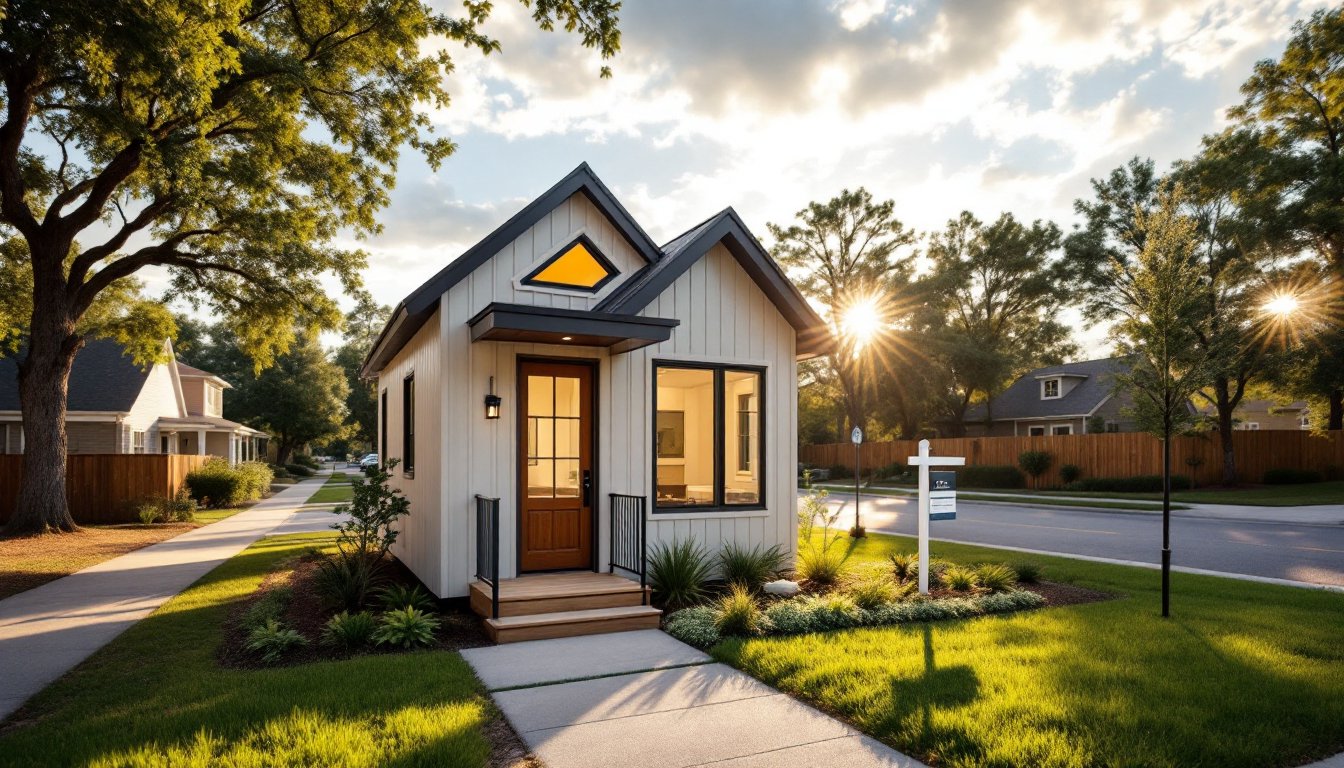
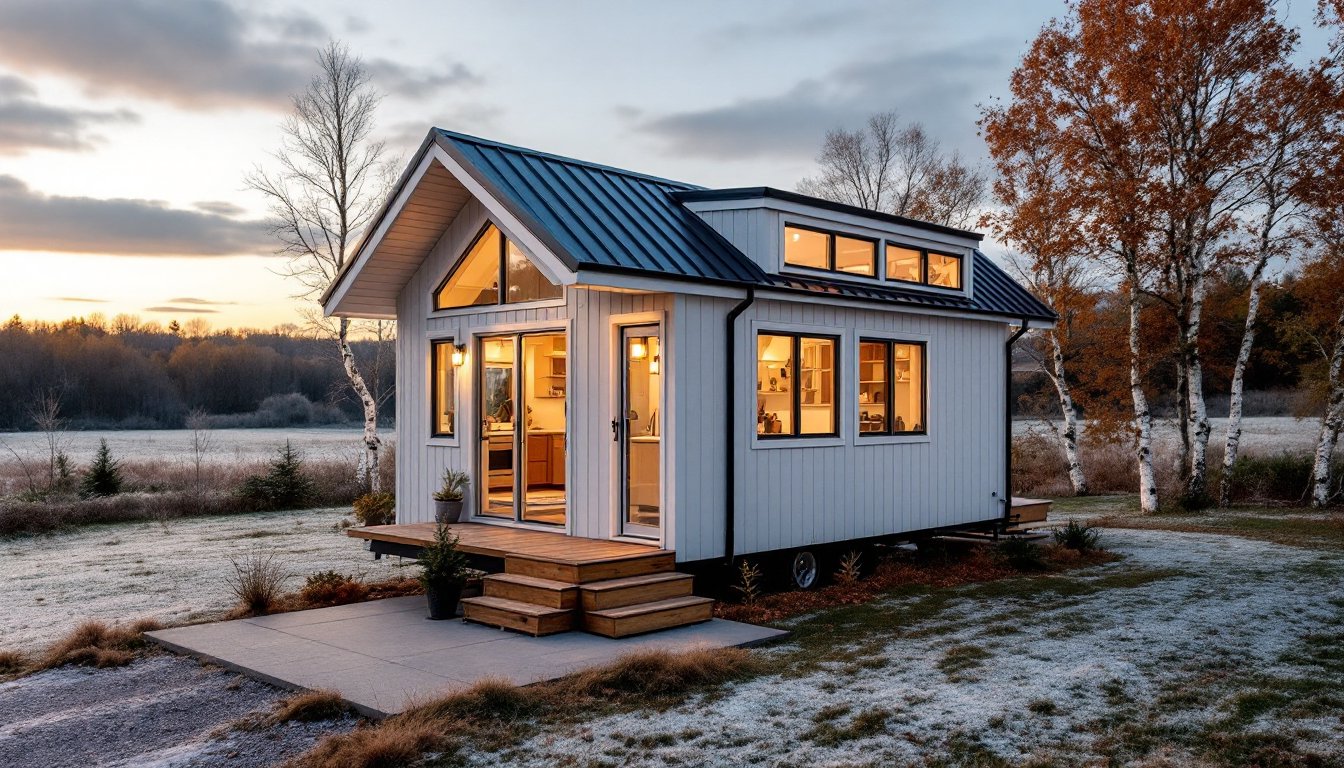
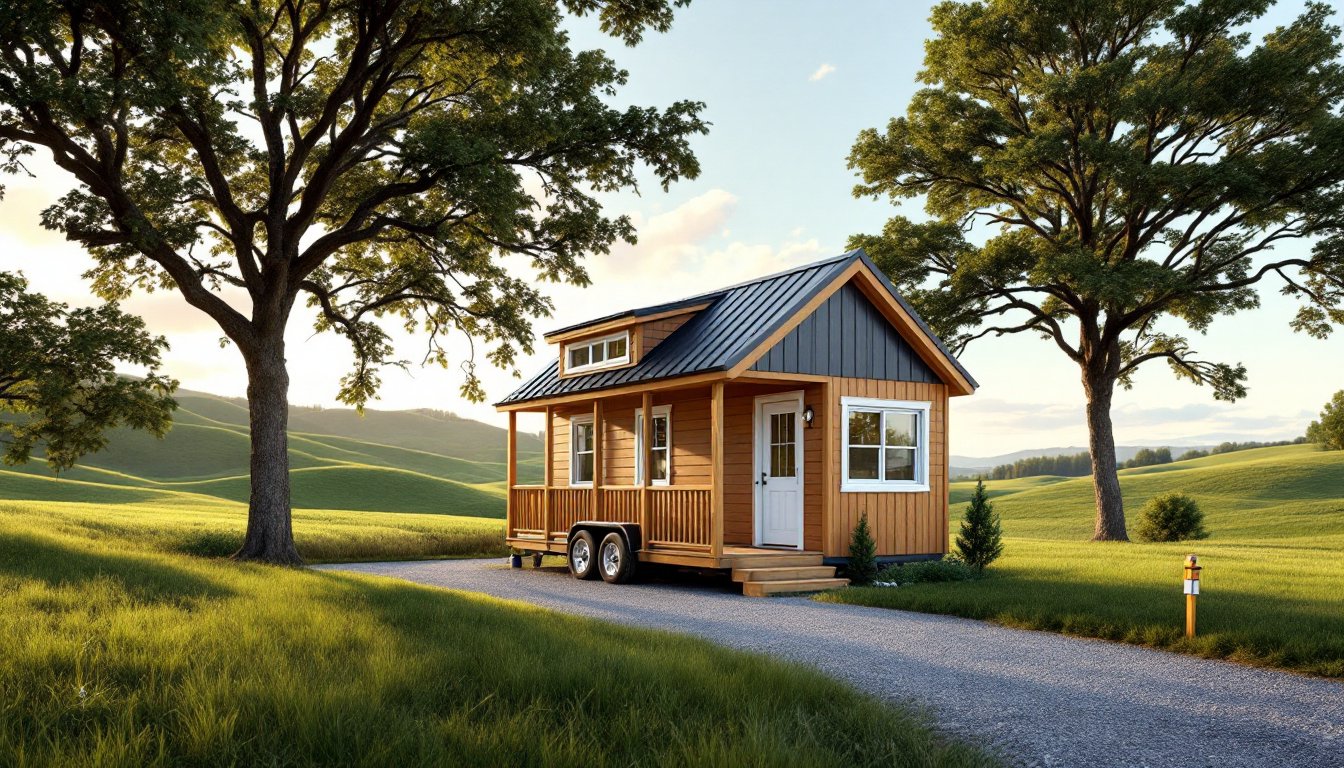
Tiny homes have moved beyond trendy buzzword territory, they’re reshaping how people think about shelter, sustainability, and intentional living. If you’re scrolling through images of tiny homes online, you’ve probably noticed the sheer creativity packed into 400 square feet or less. Whether you’re considering downsizing, looking for design inspiration for a cottage project, or simply curious about what’s possible in a small footprint, visual references matter. Real photos and floor plans teach you what works, what doesn’t, and how smart design choices turn cramped spaces into livable, even beautiful, homes. Let’s walk through the styles, strategies, and exterior ideas that are defining tiny home design in 2026.
Table of Contents
ToggleKey Takeaways
- Images of tiny homes provide practical design lessons on spatial flow, storage solutions, and material choices that prevent costly mistakes before building begins.
- Popular tiny home styles—modern minimalist and rustic farmhouse—each require distinct design approaches, with consistency in a 2-3 material palette making spaces feel larger and more cohesive.
- Smart space-saving solutions like lofted bedrooms, integrated kitchen zones, and multi-functional furniture are tested strategies that maximize livability in 400 square feet or less.
- Strategic exterior design, including decking, window placement, material contrast, and landscaping, transforms a small footprint into an intentional and visually appealing home.
- Visual references and real floor plans are essential research tools that clarify priorities and reveal solutions for intentional living before moving from inspiration to planning and construction.
Why Tiny Home Design Inspiration Matters
Looking at images of tiny homes isn’t just about aesthetics, it’s practical research. When you see a real floor plan, you understand spatial flow, furniture placement, and how high cabinets go or where a lofted bed actually sits in relation to ceiling height.
Images reveal what a designer or builder solved for in that specific layout. Did they stack the kitchen and bathroom to share plumbing lines and cut costs? How did they handle natural light in a narrow footprint? These visual lessons transfer directly to your own project planning, whether you’re building from scratch or retrofitting an existing structure.
Most tiny home owners will tell you: the design decisions made before the first nail goes in determine whether you’ll love the space or feel boxed in. Studying tiny homes examples and layout variations helps you avoid costly mistakes and make intentional choices about every square foot. You’ll learn which storage solutions actually work versus Instagram-friendly gimmicks, and how materials, colors, and textures affect the perception of space.
Popular Tiny Home Styles and Aesthetics
Tiny home design isn’t one-size-fits-all. Different styles suit different climates, budgets, and personal preferences. The homes getting the most attention right now fall into a few recognizable camps.
Modern Minimalist Tiny Homes
Modern minimalist tiny homes strip away excess and prioritize clean lines, neutral palettes, and multifunctional furniture. Think light oak or birch plywood, white or soft gray walls, and built-in storage that doesn’t scream “storage.” The philosophy is: every object earns its place.
These designs often use open shelving, hidden hinges, and custom cabinetry to maintain sight lines and keep the space feeling breathable. Materials matter, concrete counters, polished concrete floors, or light-colored tile reflect the minimalist ethos and make small rooms feel larger. Lighting is deliberate: recessed fixtures, pendant lights over a bar, and large windows maximize natural light without visual clutter.
What makes these homes work isn’t restraint alone, it’s smart planning. A murphy bed doesn’t just save floor space: it’s designed so the mattress platform folds away flush with the wall. Appliances are compact but professional-grade (think a 24-inch refrigerator or apartment-size range). The effect is sophisticated, not cramped.
Rustic and Farmhouse Tiny Homes
Rustic and farmhouse tiny homes embrace texture, natural wood, and a “lived-in” feel. These spaces lean into shiplap, reclaimed wood accents, vintage hardware, and earth tones, charcoal, sage, warm cream, and natural wood finishes. They’re cozier than their minimalist cousins and feel intentionally assembled rather than meticulously curated.
Farmhouse tiny homes often incorporate a wood-burning stove (both functional and romantic), open shelving with vintage finds, and a front porch that serves as an outdoor room. Windows are often larger and paired with simple frames that don’t compete for visual weight. The kitchen might feature open shelves with mismatched vintage plates, practical and atmospheric.
These designs work especially well in rural settings or on properties with land, where the home’s exterior can echo the surrounding landscape. Materials like corrugated metal roofing, board-and-batten siding, and brick or stone foundations ground the home visually and complement natural surroundings. Tiny homes tips specific to rustic design often emphasize the importance of quality wood finishes and layered textiles to add warmth without overwhelming a small space.
Smart Space-Saving Solutions From Real Tiny Homes
The best design inspiration comes from solutions builders and owners have already tested. Here are the strategies showing up repeatedly in photos of successful tiny homes:
Vertical Storage and Lofted Spaces
Tiny homes max out overhead space because floor space is precious. Lofted bedrooms (typically 6 to 7 feet high, with 8 to 9 feet clearance at peak) steal vertical real estate but keep the main floor open. Tall shelving, wall-mounted cabinets, and storage that reaches the ceiling are non-negotiable. Ladders or steep stairs access lofts: a full staircase would consume too much footprint.
Integrated Kitchen and Living Zones
Instead of closing off the kitchen, tiny homes integrate it visually with the living area. An open counter with bar seating replaces a traditional dining table, saving floor space while maintaining a gathering point. The kitchen becomes part of the room’s design rather than a separate chamber.
Fold-Away and Multi-Functional Furniture
Murphy beds, fold-down desks, and convertible sofas appear in nearly every tiny home photo for good reason: they work. When a bed folds into the wall, the bedroom becomes a study or guest room during the day. A dining table hinges down from the wall and stores flat when not needed. These aren’t gimmicks, they’re the structural reality of tiny home living.
Consistent Material Palette
Photos reveal a clear pattern: homes using 2 to 3 dominant materials throughout look bigger and more cohesive than those mixing six different finishes. Think light wood cabinetry, white walls, and concrete counters repeated across the whole space. Consistency creates visual continuity that tricks the eye into perceiving more square footage.
Strategic Lighting Layers
Tiny homes use multiple light sources, overhead, task, and accent, to define zones without walls. A pendant over the kitchen counter, a floor lamp in the living area, and recessed ceiling lights in the bedroom create distinct functional spaces in a single open plan. Natural light from windows matters too: sheer curtains preserve views while diffusing harsh sun.
Practical renovators often reference essential tiny homes techniques when implementing these solutions, ensuring structural integrity and code compliance as they build vertical storage or anchor fold-away fixtures.
Exterior Design Ideas and Curb Appeal
Tiny homes sit in a strange visual space: they’re small, but the exterior is the first thing people see. Smart exterior design makes a tiny footprint feel intentional and attractive rather than cramped.
Decking and Outdoor Extension
A small porch or deck immediately extends the living footprint and frames the tiny home as part of a larger landscape. Images of tiny homes with generous decking (often 8 to 12 feet deep) show how outdoor space psychologically enlarges the perception of the dwelling. A small seating area or pergola on the deck gives you “extra rooms” without building square footage inside.
Material Contrast and Siding
Facades work best when they avoid one bland color. Combining board-and-batten siding in a dark charcoal with white trim, or mixing corrugated metal accents with wood shingles, adds visual interest and sophistication. Metal roofing in black, charcoal, or natural rust tones pairs well with lighter walls and looks contemporary rather than industrial.
Window Placement and Sizing
Large windows and clerestories (small windows placed high on walls to bring in light without sacrificing privacy or wall space for furniture) appear in nearly every appealing tiny home photo. A 4-foot-wide window isn’t huge, but positioned correctly, it floods the interior with light and creates a visual anchor on the exterior. Smart window placement is both aesthetic and functional.
Landscaping and Context
Images of tiny homes show how surrounding landscape dramatically affects perception. A home without landscaping looks isolated: the same home with native plantings, a gravel pathway, or a small garden feels settled and cared-for. The exterior is the stage for the interior, and greenery softens hard lines while grounding the structure in its environment. Resources like Apartment Therapy offer inspiration for small outdoor spaces that complement compact living.
Garage and Utility Integration
Tiny homes often pair with small garages, carports, or utility sheds to handle storage and parking without expanding the main dwelling. Photos show how a matching material palette or intentional contrast between main structure and outbuildings creates a cohesive property rather than a scattered assemblage. If a garage or shed is necessary, it’s designed as part of the overall aesthetic plan.
Conclusion
Images of tiny homes teach real lessons about design, efficiency, and what’s possible in small spaces. Whether you’re drawn to minimalist aesthetics or cozy farmhouse charm, studying real photos and floor plans clarifies your own priorities and reveals practical solutions others have already tested. The designs gaining traction in 2026 balance visual appeal with livability, every design choice serves both function and style. Start collecting inspiration, but move quickly from looking to planning: your dream tiny home won’t happen by scrolling alone. Consider consulting top tiny homes designs on your site and discussing your goals with builders or designers who’ve built similar projects. Your future smaller space is waiting.