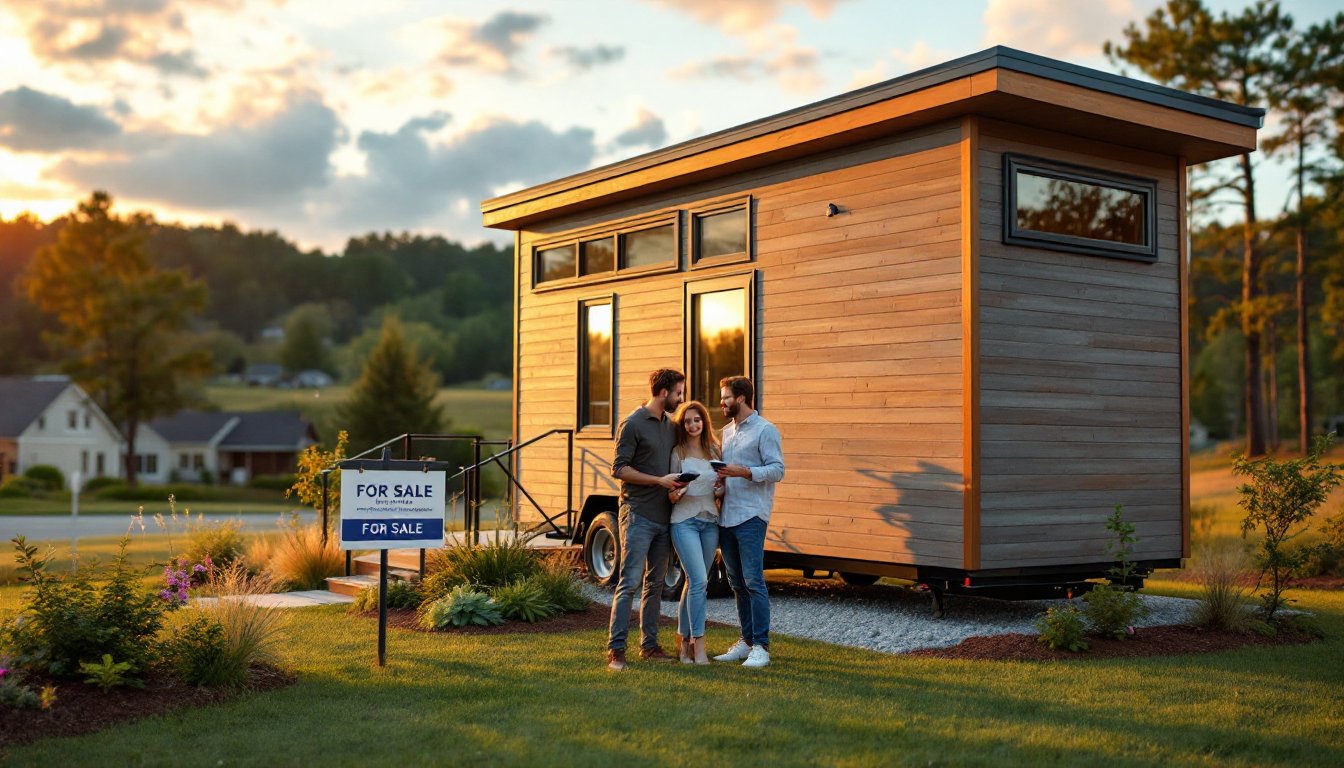
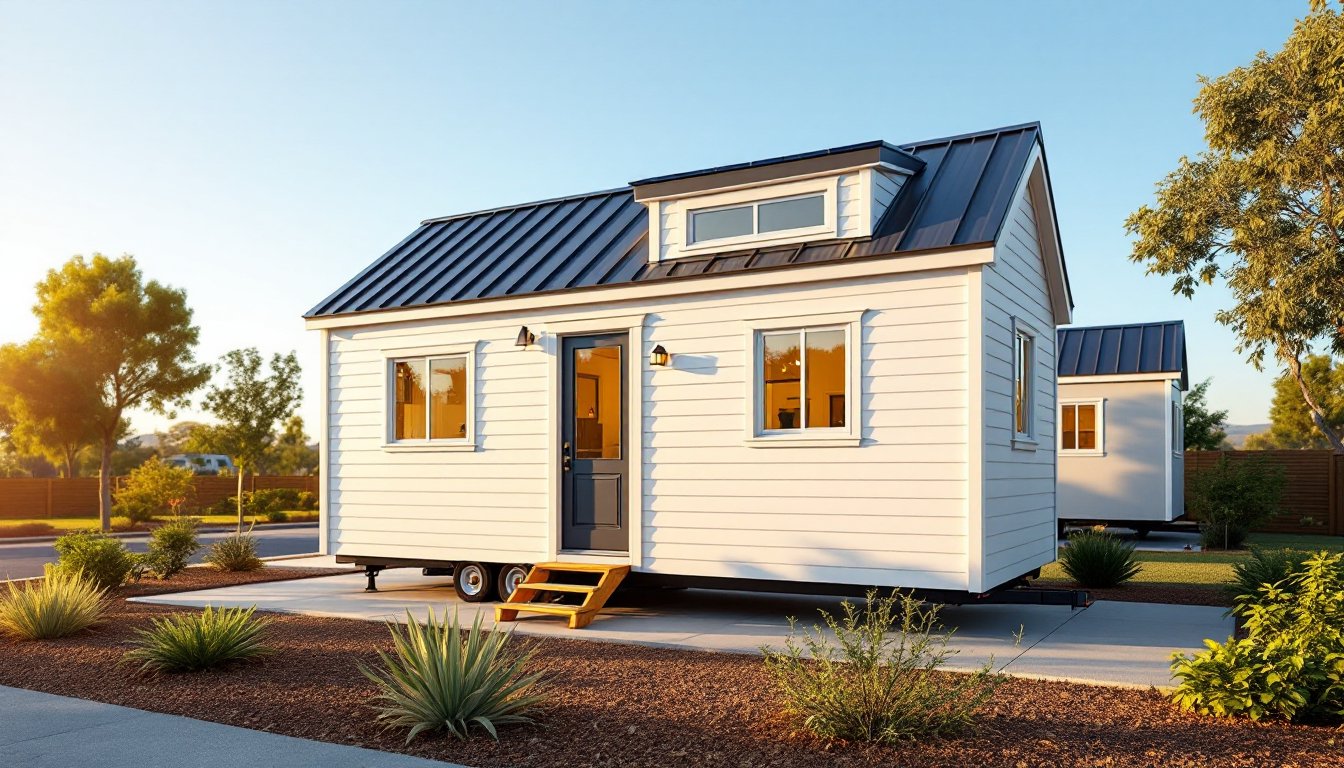
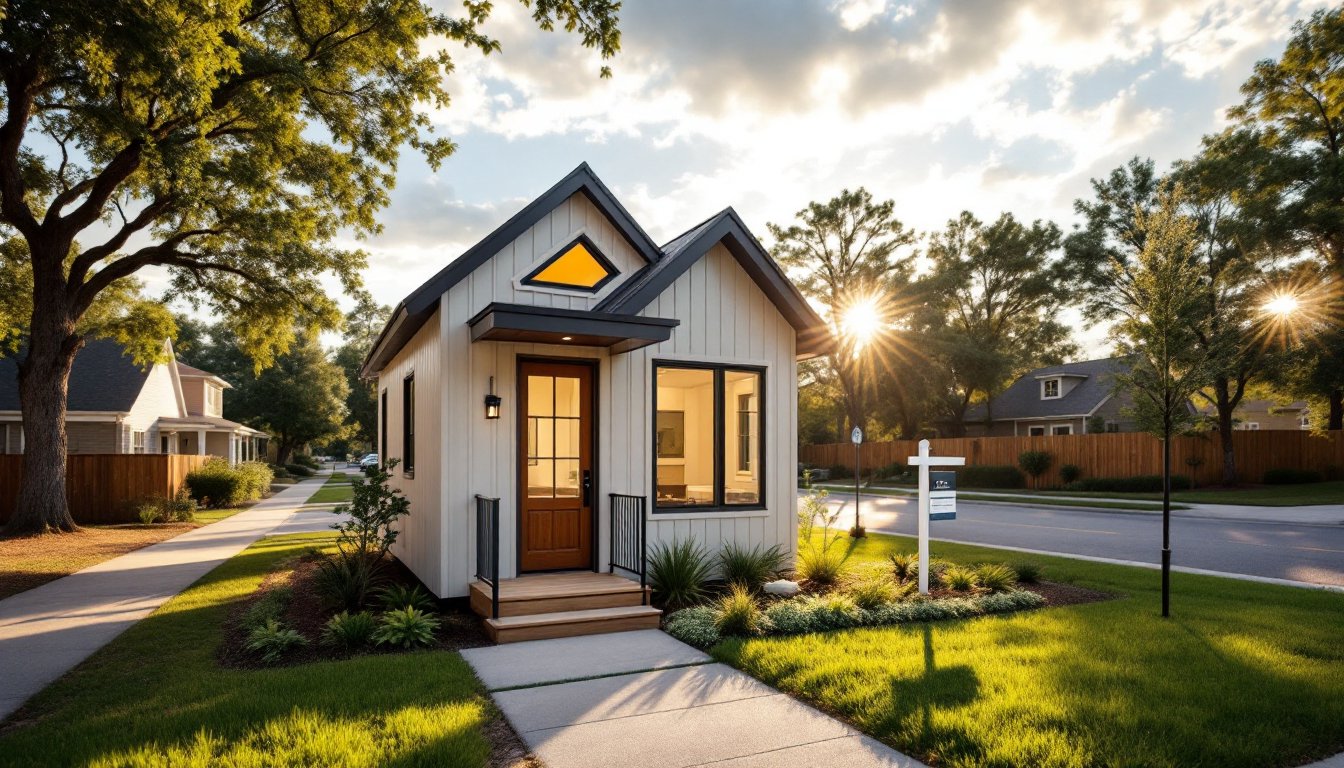
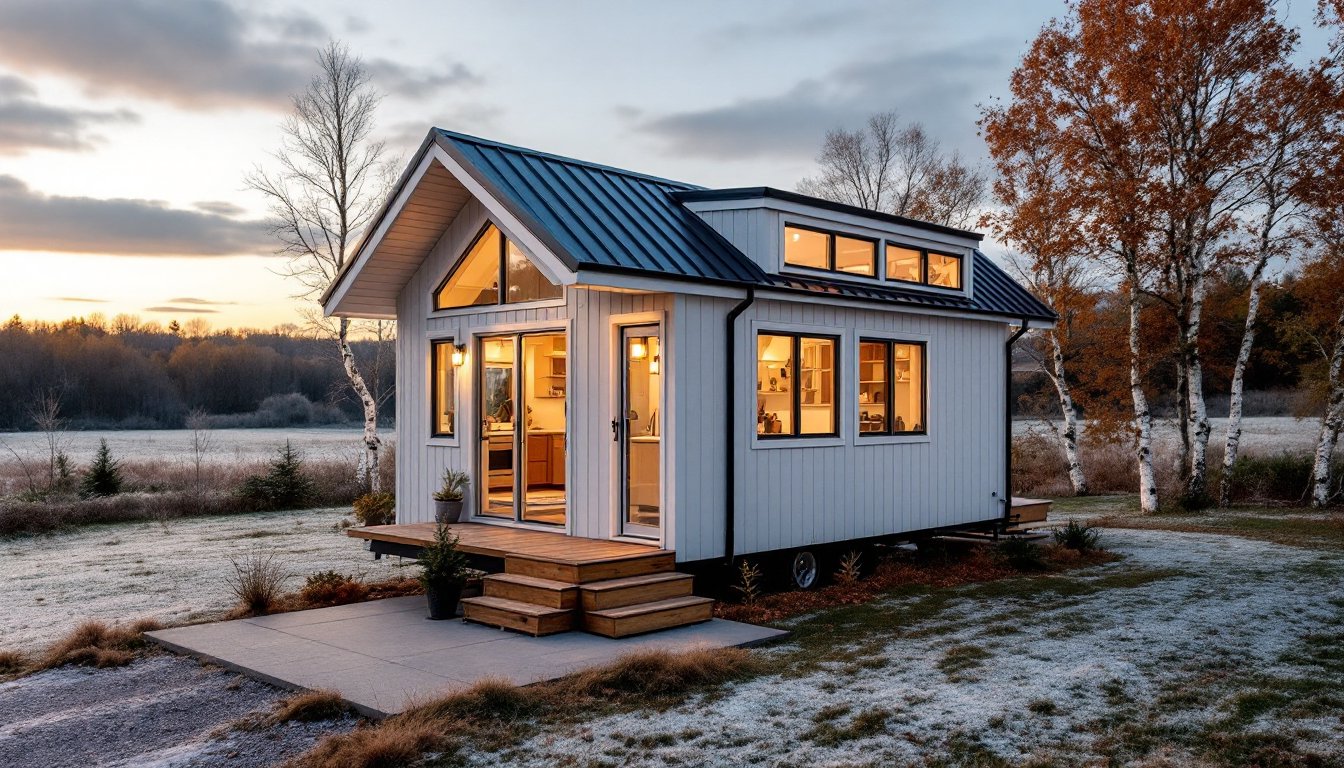
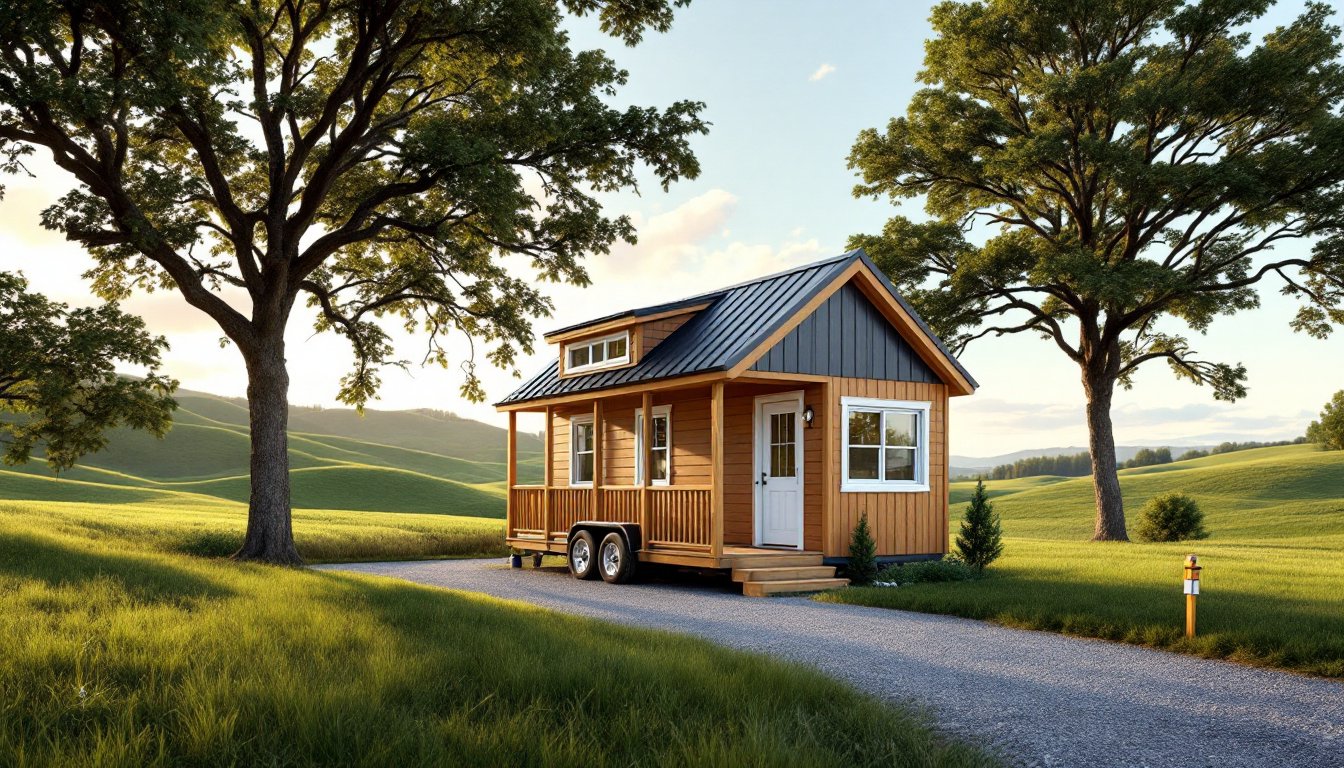
Bakersfield, California, is experiencing a quiet but significant shift in the housing market. Tiny homes, typically defined as dwellings under 600 square feet, are gaining traction among first-time buyers, downsizers, and those seeking affordable homeownership in a market where traditional single-family homes have become out of reach for many. Whether you’re exploring tiny homes for investment, primary residence, or lifestyle change, understanding Bakersfield’s market specifics is crucial. This guide walks you through why the Central Valley city has become a hotspot for compact living, what you’ll actually pay, and where to find viable options on the ground.
Table of Contents
ToggleKey Takeaways
- Tiny homes for sale in Bakersfield typically range from $150,000 to $320,000, making them 30–60% cheaper than traditional single-family homes and an accessible entry point for first-time buyers.
- Bakersfield’s relaxed zoning restrictions, lower land and construction costs, and growing developer focus make the city a prime hotspot for tiny home investment and primary residence purchases.
- Most Bakersfield tiny homes offer 300–550 square feet with efficient layouts emphasizing multifunctional spaces, and lie within mobile home parks or emerging purpose-built communities with shared amenities.
- Specialized real estate agents familiar with Bakersfield’s tiny home inventory are essential, as many park listings and community sales don’t appear on standard MLS searches.
- Custom tiny home construction on your own land is viable in Bakersfield, taking 4–8 months with costs around $100–$150 per square foot, provided you navigate the city’s permit requirements.
- Climate advantages and lifestyle flexibility make tiny homes in Bakersfield ideal for working-class families, retirees on fixed incomes, and relocating professionals seeking affordable homeownership.
Why Bakersfield Is Becoming a Tiny Home Hotspot
Bakersfield’s appeal for tiny home buyers boils down to economics and practicality. California’s housing affordability crisis has pushed median home prices skyward in coastal regions, making Bakersfield, roughly 100 miles north of Los Angeles, an attractive alternative. The city offers lower land costs, lower construction expenses than California’s Bay Area or coast, and a growing acceptance of alternative housing types among both developers and city planners.
The Bakersfield City Council and Kern County have also loosened zoning restrictions in recent years, permitting accessory dwelling units (ADUs) and small lot subdivisions more readily than neighboring jurisdictions. This regulatory shift has encouraged builders and developers to focus on the tiny home segment. Also, Bakersfield’s demographics skew toward working-class families and retirees on fixed incomes, populations naturally drawn to lower-cost housing solutions.
Climate and lifestyle matter too. Bakersfield’s hot, dry summers and mild winters reduce heating and cooling costs compared to northern California, making smaller homes even more economical to operate. Families moving from the Bay Area or relocating for work at local agriculture, energy, or manufacturing sectors find tiny homes an affordable entry point into homeownership.
What To Expect: Pricing, Sizes, and Features
Average Costs and Market Trends
As of early 2026, tiny homes in Bakersfield typically range from $150,000 to $320,000, depending on condition, location, finishes, and whether the unit is on its own lot or in a park setting. New construction or recently renovated units on individual lots command premium prices: older mobile home park units or fixer-uppers sit at the lower end. For comparison, a standard single-family home in Bakersfield hovers around $400,000–$500,000, so tiny homes represent roughly 30–60% of that cost.
Market trends favor move-in-ready units. Buyers increasingly avoid projects requiring extensive renovation unless they have construction experience or budget for contractors. Essential Tiny Homes Tips for Comfortable Small-Space Living can help new owners maximize functionality after purchase. Interest rates and lending practices also play a role, some lenders remain cautious about financing mobile homes or non-traditional dwellings, so cash buyers or those with access to specialized loans command more leverage in negotiation.
Typical Square Footage and Layouts
Most tiny homes in Bakersfield fall between 300 and 550 square feet. A typical layout includes one bedroom, one bathroom, a compact kitchen, and a living/dining combo. Some premium units offer two bedrooms and 1.5 baths, stretching to 600 square feet. Floor plans prioritize flow and multifunctional spaces, the bedroom might double as an office, the living room might feature built-in storage, and kitchens use vertical cabinetry and compact appliances to maximize utility.
Storage is the perennial challenge. Tiny Home Ideas: Creative Designs for Small Space Living showcase solutions like under-bed storage, wall-mounted desks, and loft sleeping areas that free up floor space below. Ceilings typically run 8 to 9 feet, which is standard but feels tighter in 400-square-foot spaces, something worth experiencing in person before committing. Most units include a covered porch or deck addition (100–200 sq. ft.), which effectively extends living space and is crucial for resale appeal.
Finding Tiny Homes in Bakersfield Communities
Mobile Home Parks and Communities
Bakersfield has a network of established mobile home parks and newer tiny home communities. Parks like Bakersfield Village and Meadows Park house hundreds of units, ranging from older trailers to recently upgraded homes. These communities offer shared amenities, pools, clubhouses, and walking paths, plus the security of managed grounds and set rules. Lot rent runs $400–$750 per month depending on amenities and location within the park, which renters must factor into affordability calculations.
Newer purpose-built tiny home communities (small-lot developments with single-family-style homes or ADU clusters) are emerging on the city’s periphery. These offer more autonomy than parks, you own the land outright, but lack communal facilities. A dedicated real estate agent familiar with Bakersfield’s tiny home inventory is essential: general MLS searches often miss park listings or unlisted community sales. Best Tiny Homes: Top Picks for Compact Living in 2025 provides context for evaluating different community models.
Individual Lot and Custom Build Options
Building a custom tiny home on your own lot is viable if you own land or can purchase a small parcel (0.2–0.5 acres). Bakersfield’s building department permits custom construction, though you’ll need to navigate the standard permit process: site plans, grading, utility connections, and inspections. Costs for new construction typically run $100–$150 per square foot (materials and labor combined in Bakersfield), so a 400-square-foot home costs roughly $40,000–$60,000 in hard construction costs, plus land and professional fees.
Timeline matters. New construction takes 4–8 months from breaking ground to occupancy. Prefabricated or modular tiny homes can accelerate this, some builders deliver units in 2–3 months, but selection is limited locally. Tiny Homes Techniques: Essential Building Methods for Small-Space Living delves into construction specifics if you’re considering a build. Permits are non-negotiable for structural work: Bakersfield doesn’t allow unpermitted construction, and future resale complications arise if you skip this step.
Another practical resource is Angi, which lists local contractors, provides cost estimates for common repairs, and gathers homeowner reviews, useful for vetting builders before committing to custom work. Many tiny home builders in the area also offer semi-custom options: choosing from a limited set of floor plans and finishes, which cuts both cost and decision-making burden compared to fully custom builds.
<h2 id="” data-id=””>Your Next Steps in Bakersfield’s Tiny Home Market
Buying or building a tiny home in Bakersfield is achievable, but success hinges on clear expectations and thorough research. Start by visiting communities in person, comparing park amenities and lot-rent terms, and connecting with local real estate agents who specialize in small dwellings. Budget conservatively, prices, lot rent, and construction costs fluctuate with market conditions and material availability. If you’re new to small-space living, Tiny Homes for Beginners: A Complete Guide to Getting Started offers foundational guidance. With Bakersfield’s growing inventory, favorable regulatory environment, and genuine demand, now is a practical time to explore what compact living can offer your family’s future.