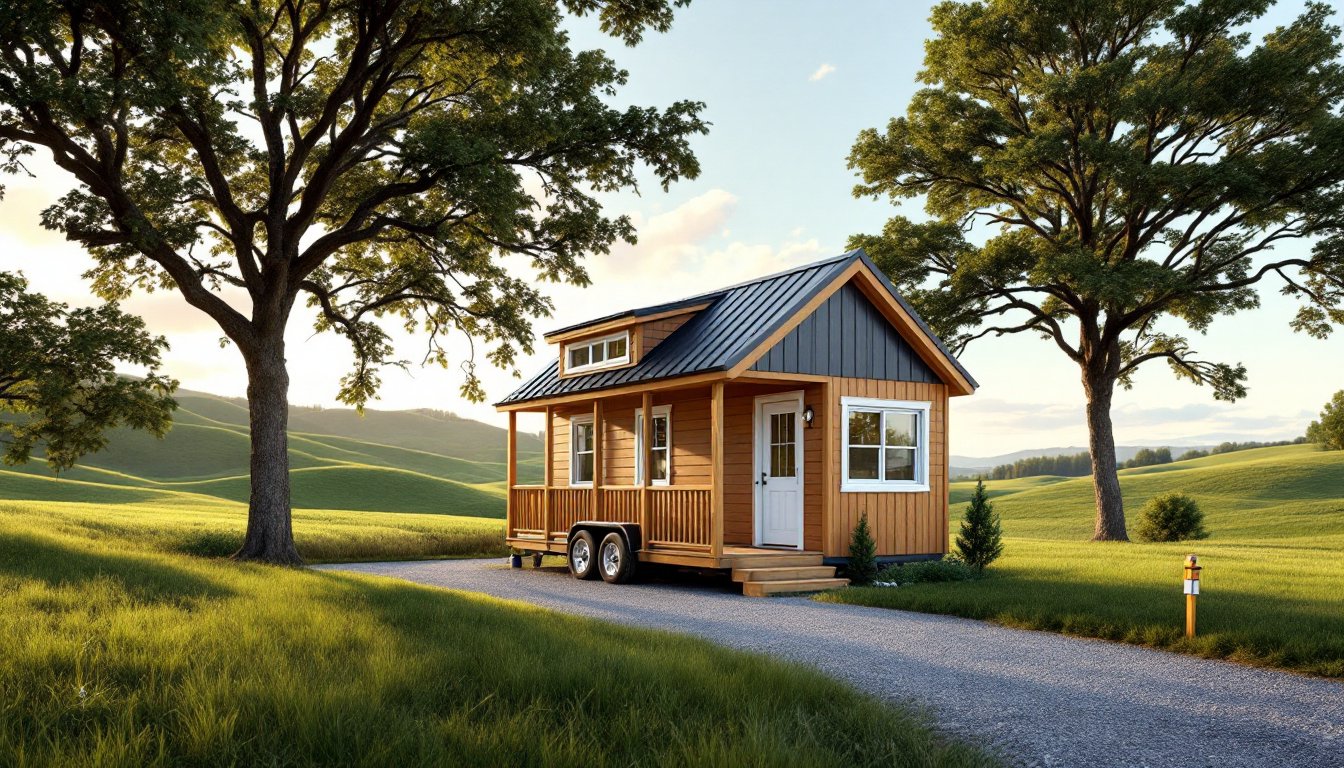
The tiny home movement is reshaping how people think about homeownership, and Clarksville, Tennessee is emerging as an unexpected hotspot for buyers seeking affordable, sustainable living. Whether you’re a first-time homebuyer stretched thin by traditional mortgage markets, a retiree downsizing, or someone genuinely interested in minimalist living, tiny homes in Clarksville offer real opportunities at prices far below the national average. This guide walks you through what’s available in the market, where to find properties, how to finance your purchase, and what you need to consider before signing any paperwork.
Table of Contents
ToggleKey Takeaways
- Tiny homes for sale in Clarksville, TN range from $60,000 to $160,000, making them an affordable alternative to traditional homes for first-time buyers and retirees.
- Financing tiny homes requires specialized options like FHA loans (for properties meeting 400+ sq ft requirements) or cash purchases, as conventional mortgages often don’t apply to sub-300-square-foot properties.
- Clarksville’s location 45 miles northwest of Nashville, combined with lower property taxes and abundant land, positions it as an emerging hotspot for tiny home buyers seeking sustainable, minimalist living.
- Verify zoning compliance with Clarksville’s Planning and Development Department before purchasing, as some neighborhoods restrict mobile homes or impose minimum square footage requirements.
- Hire an inspector experienced with tiny homes or mobile construction to identify issues specific to compact dwellings, and tour properties at different times to confirm the lifestyle suits your needs.
Why Clarksville Is Becoming A Tiny Home Hotspot
Clarksville sits in Montgomery County, about 45 miles northwest of Nashville, making it an attractive alternative for people priced out of the capital city but wanting access to its job market and amenities. The area’s cost of living remains significantly lower than metro Nashville, and land is more abundant. Property taxes are reasonable, utilities are affordable, and the local government has been increasingly receptive to alternative housing models. Many tiny home developers and builders have noticed this shift and are now actively marketing to the region.
Beyond economics, Clarksville’s lifestyle appeals to the tiny home demographic. The town has a strong military presence through Fort Campbell, which creates a transient population comfortable with smaller, efficient spaces. Young professionals, military families, and retirees all view tiny homes as practical solutions rather than trendy experiments. The community also values sustainability and DIY culture, both natural fits for the tiny home philosophy. Local interest in tiny homes for beginners has grown noticeably over the past two years, with real estate agents reporting increased inquiries from out-of-state buyers specifically seeking Clarksville properties.
The Tiny Home Market In Clarksville, TN
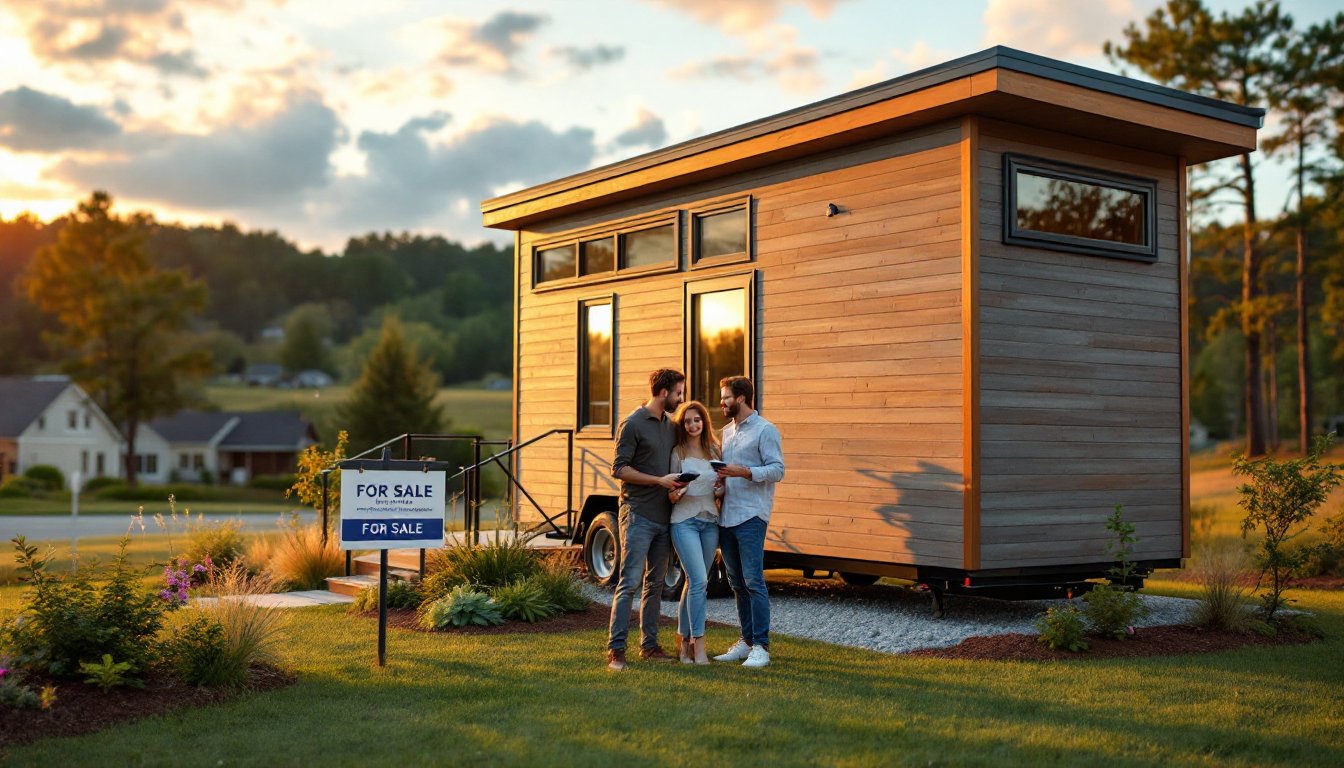
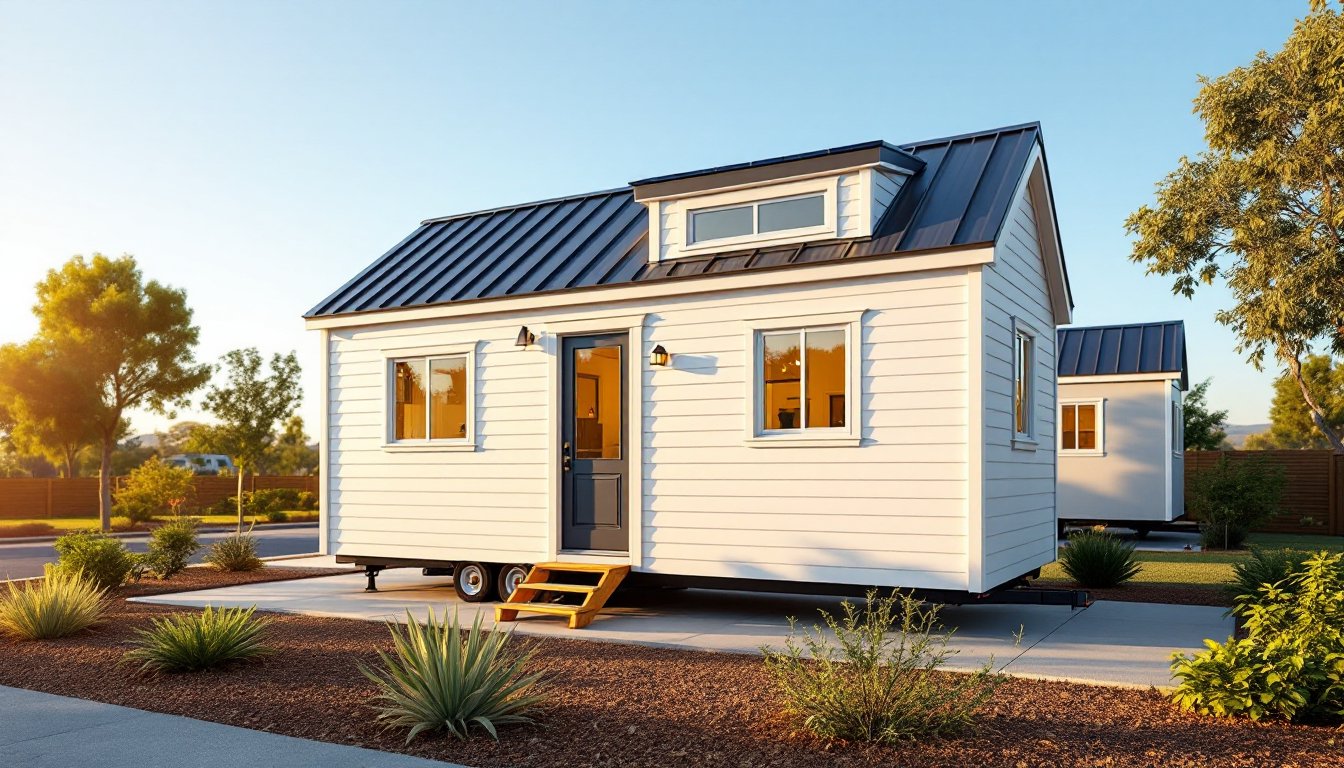
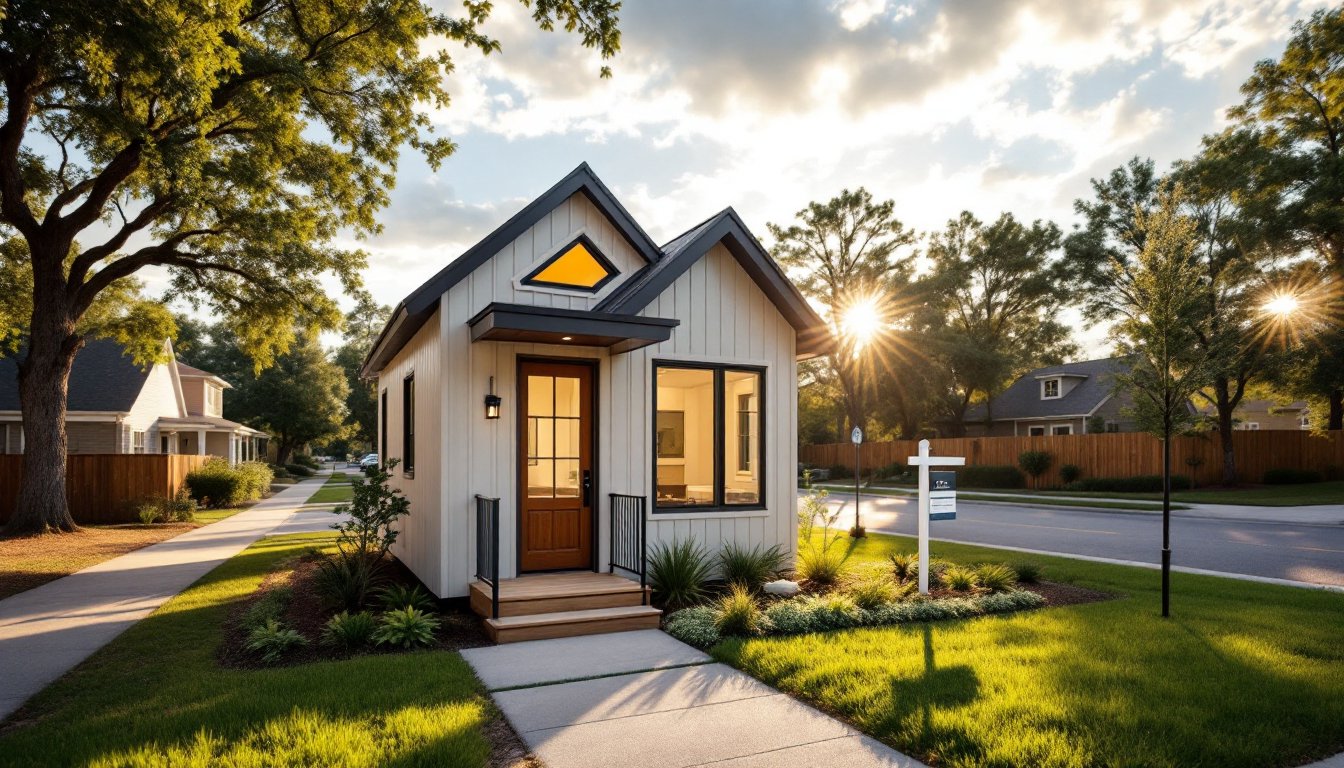
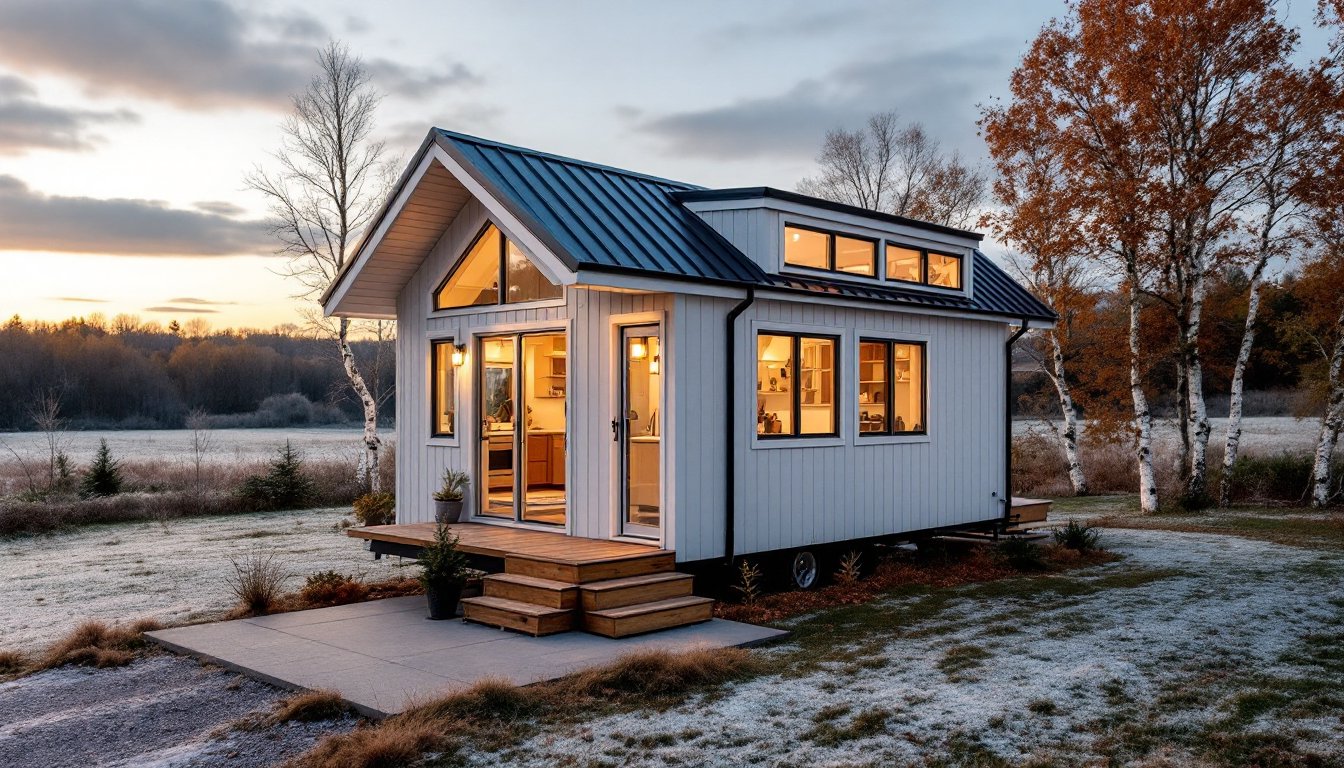
As of early 2026, the Clarksville tiny home market is still emerging but growing. You’ll find a mix of newly constructed homes, converted older dwellings, and mobile-based tiny homes (some on permanent foundations, others still mobile-capable). Prices typically range from $60,000 to $160,000 for finished tiny homes, depending on size, finishes, and whether they’re built-to-spec or pre-fabricated.
The majority of listings hover between 300 and 500 square feet, well below the 1,000-square-foot average for starter homes nationwide. Many include modern amenities like full-size kitchens, separate bedrooms, and dedicated bathrooms, challenging the notion that tiny automatically means cramped. Local builders increasingly recognize that buyers want tiny home ideas: creative designs that maximize function without sacrificing comfort. Inventory fluctuates seasonally, with spring and early summer offering more selection but also more competition. Winter months sometimes present better negotiating leverage if fewer buyers are active.
Where To Find Tiny Homes For Sale In Clarksville
Tiny home inventory in Clarksville appears across multiple channels, and knowing where to look dramatically improves your chances of finding the right property.
Online Platforms: Zillow, Realtor.com, and Redfin all list tiny homes in Clarksville, though filters aren’t always granular enough to isolate “tiny” specifically. Search by square footage (filter for properties under 500 sq ft) and price range. Many mobile tiny homes, especially those in RV parks or tiny home communities, also appear on Manufactured Home Marketplace and Tiny House Listing.
Developer Direct: Several Tennessee-based tiny home builders now operate in the Clarksville area. Buying directly from a builder sometimes nets better pricing and customization options, though you’re responsible for inspections and title work.
Local Real Estate Agents: This is where market knowledge pays dividends.
Working With Local Real Estate Agents
A real estate agent familiar with Clarksville’s market and, ideally, with tiny home transactions, is invaluable. Not all agents understand the nuances of tiny homes, financing quirks, zoning restrictions, foundation types, so ask directly about their experience.
When interviewing agents, ask: “How many tiny homes have you sold in the past 24 months?” and “Do you know which neighborhoods allow mobile homes or ADUs (accessory dwelling units)?” A good agent will also clarify whether a property is on private land, in a manufactured home community, or in a traditional subdivision. Zoning matters enormously: some Clarksville areas welcome tiny homes on residential lots, while others restrict dwellings to minimum square footage or prohibit mobile homes entirely. Your agent should pull zoning information before you invest time touring properties. They should also understand essential tiny homes tips around inspections, appraisals, and common pitfalls unique to compact homes.
Financing Your Tiny Home Purchase
Financing a tiny home differs from financing a traditional house, and this difference often surprises first-time buyers. Many banks won’t touch a sub-300-square-foot property using conventional mortgages because appraisals are harder to justify and resale risk feels higher to underwriters. Your options narrow, but they exist.
Conventional Loans: Some lenders will finance homes as small as 400 square feet if they’re on a permanent foundation with standard utilities. Interest rates and terms are competitive, but down payment requirements (often 10–20%) remain steep. Your property must also appraise at or above the purchase price, a challenge in emerging markets like Clarksville, where comparable sales are sparse.
Cash Purchase: Many tiny home buyers in Tennessee opt to pay cash, especially if the purchase price falls below $100,000. This eliminates appraisal headaches and closes quickly, though it requires significant liquid capital.
Construction or End Loans: If you’re buying land and building (or buying a pre-fab to place on property you own), construction financing bridges the gap. Expect higher rates and stricter qualification than traditional mortgages.
FHA Loans And Tiny Home Mortgages
FHA loans can work for tiny homes, but only if the property meets FHA minimum standards. FHA requires at least 400 square feet of living space for a one-bedroom home and 500 square feet for a two-bedroom. Homes on permanent foundations with standard utilities generally qualify. Mobile or prefabricated homes on temporary foundations often don’t.
If your tiny home clears the FHA minimum, you’ll benefit from lower down payments (as little as 3.5%) and more flexible credit requirements than conventional lenders demand. But, FHA also mandates appraisals, and an appraiser may struggle to find comparable sales in Clarksville’s emerging tiny home market. If the appraisal comes in below the purchase price, you’ll need to renegotiate or walk away. Some specialty lenders now focus on alternative financing for tiny homes, higher rates than FHA, but less restrictive qualification. Compare offers across multiple lenders: terms vary wildly. Also understand that top tiny homes in hot markets sometimes command premium prices that appraisals can’t justify, so the cheaper the tiny home market, the better your financing odds.
Essential Considerations Before Buying A Tiny Home
Before you make an offer, address the questions that separate regret-free purchases from costly surprises.
Zoning and Legality: Confirm the property legally allows a tiny home. Contact Clarksville’s Planning and Development Department to verify zoning for the exact address. Some neighborhoods prohibit mobile homes: others cap dwelling sizes. Manufactured home communities have their own rules. Buying a technically illegal property can tank resale value and trigger forced removal. Don’t skip this step.
Inspections Are Non-Negotiable: Hire a professional inspector experienced with tiny homes or mobile homes. Standard home inspectors sometimes miss issues specific to compact construction, poor ventilation, foundation settling, water intrusion around tight corners. Budget $300–$600 for a thorough inspection.
Foundation Type Matters: Tiny homes sit on various foundations: permanent concrete slabs, pier-and-beam systems, RV-style frames, or community-provided pads. Permanent foundations improve financing and resale value. Mobile foundations limit lender options but offer flexibility if you might relocate. Each comes with different maintenance, utility, and longevity profiles.
Resale Liquidity: Tiny homes are easier to market than they were five years ago, but they’re still niche. Clarksville’s growing market helps, but recognize you may have fewer buyers when it’s time to sell. Speak honestly with your agent about local resale history. Tiny homes strategies for long-term ownership differ from strategies for properties you plan to flip.
HOA Rules: If the property sits in a tiny home community or subdivision, review the HOA bylaws carefully. Some communities impose strict rules on exterior modifications, landscaping, or vehicle types. Others are more relaxed. These restrictions directly affect your ability to customize or maintain the property as you wish.
Utility and Space Assumptions: Tour the property at different times of day. Check water pressure, heating and cooling performance, kitchen workflow, and storage. What looks clever in photos sometimes feels confining in person. Make sure you can actually live the lifestyle, not just fantasize about it. Industry research from outlets like Curbed regularly documents that downsizing dissatisfaction often stems from unrealistic expectations about daily life in compact spaces, not from the homes themselves.