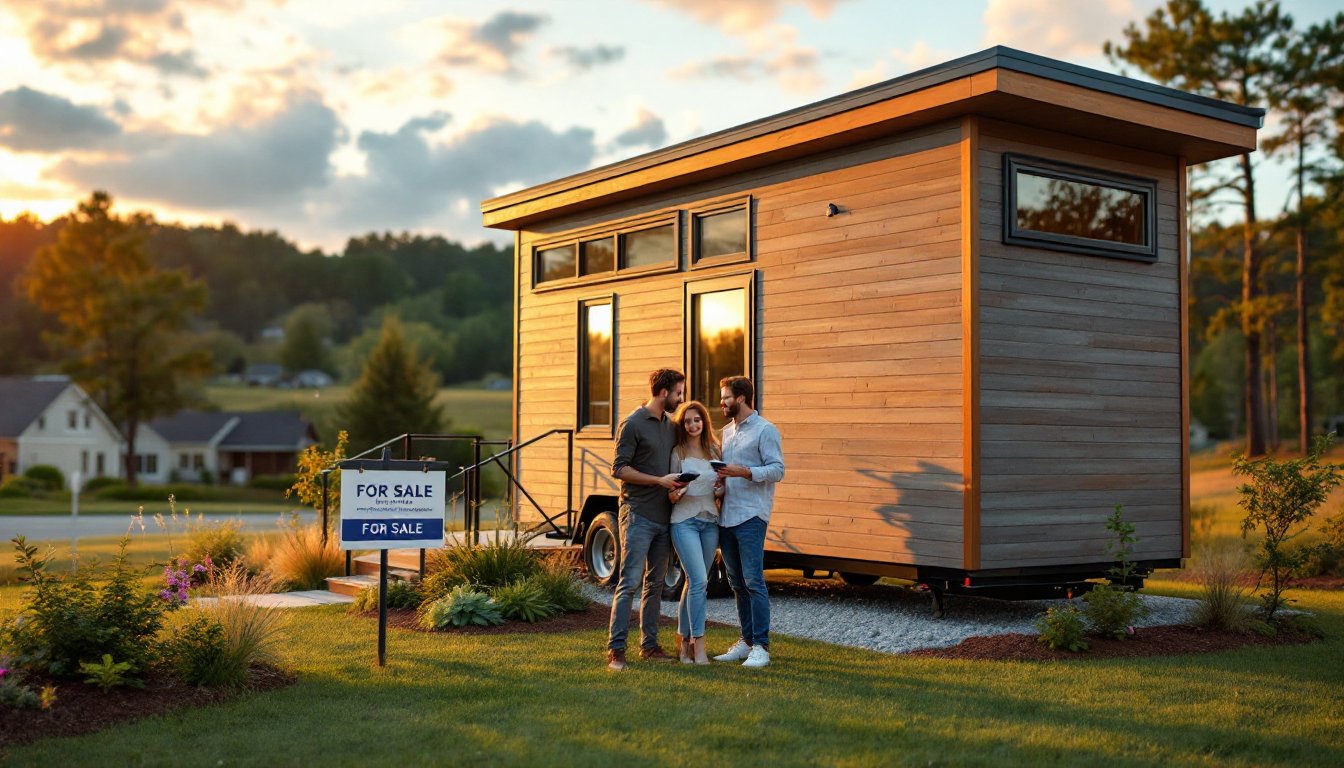
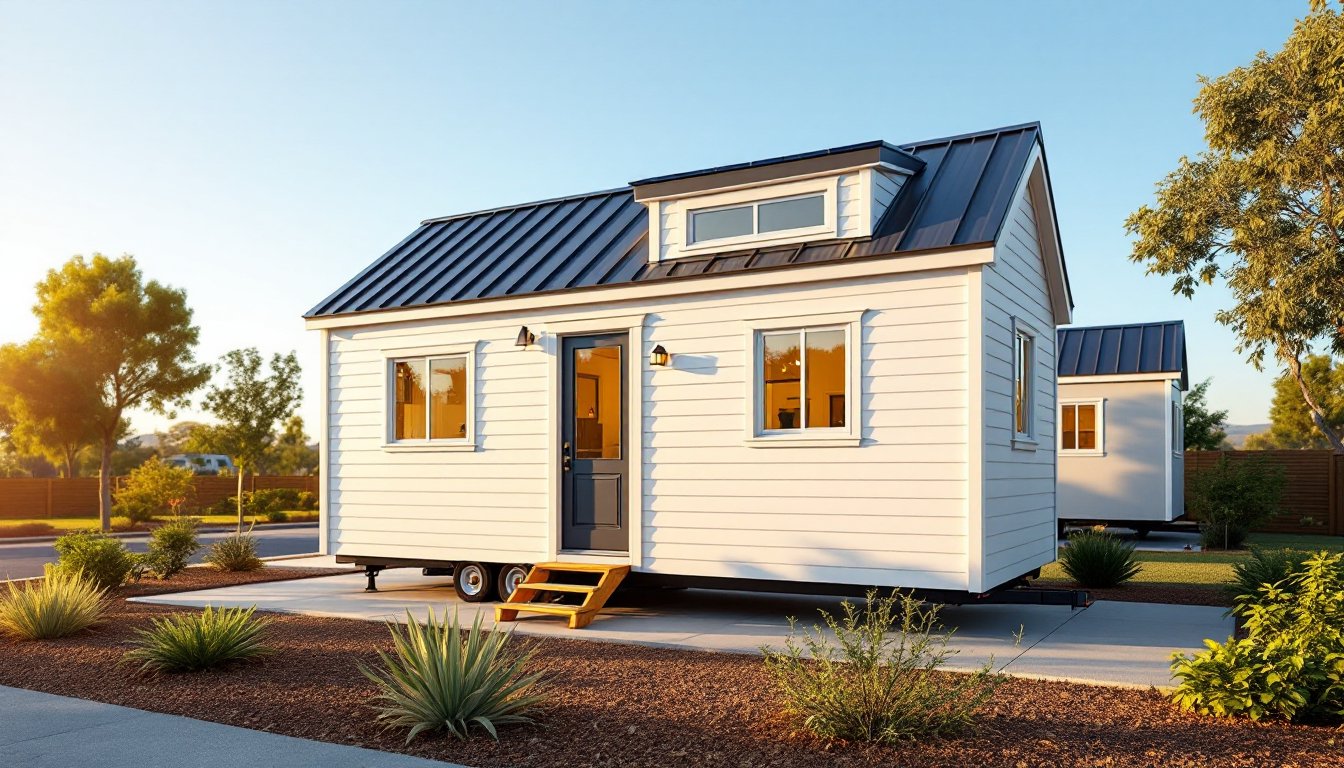
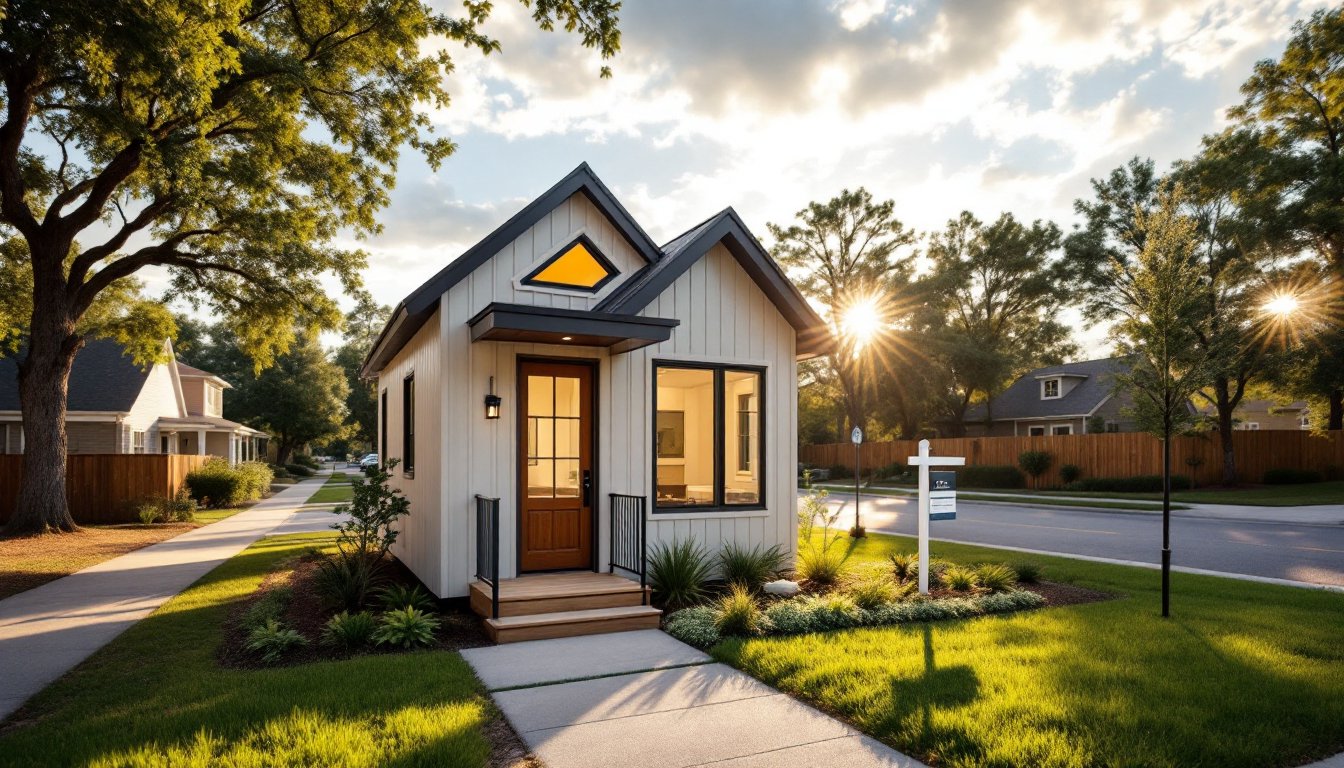
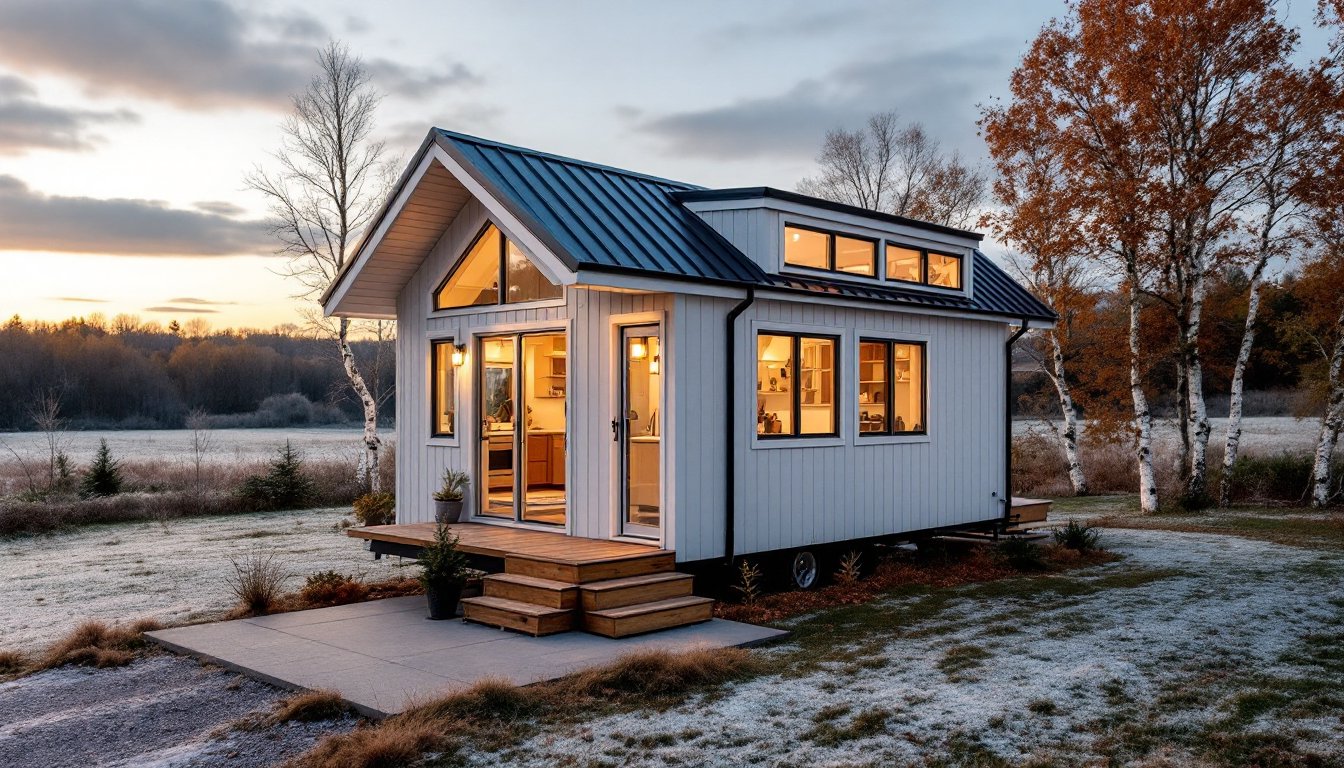
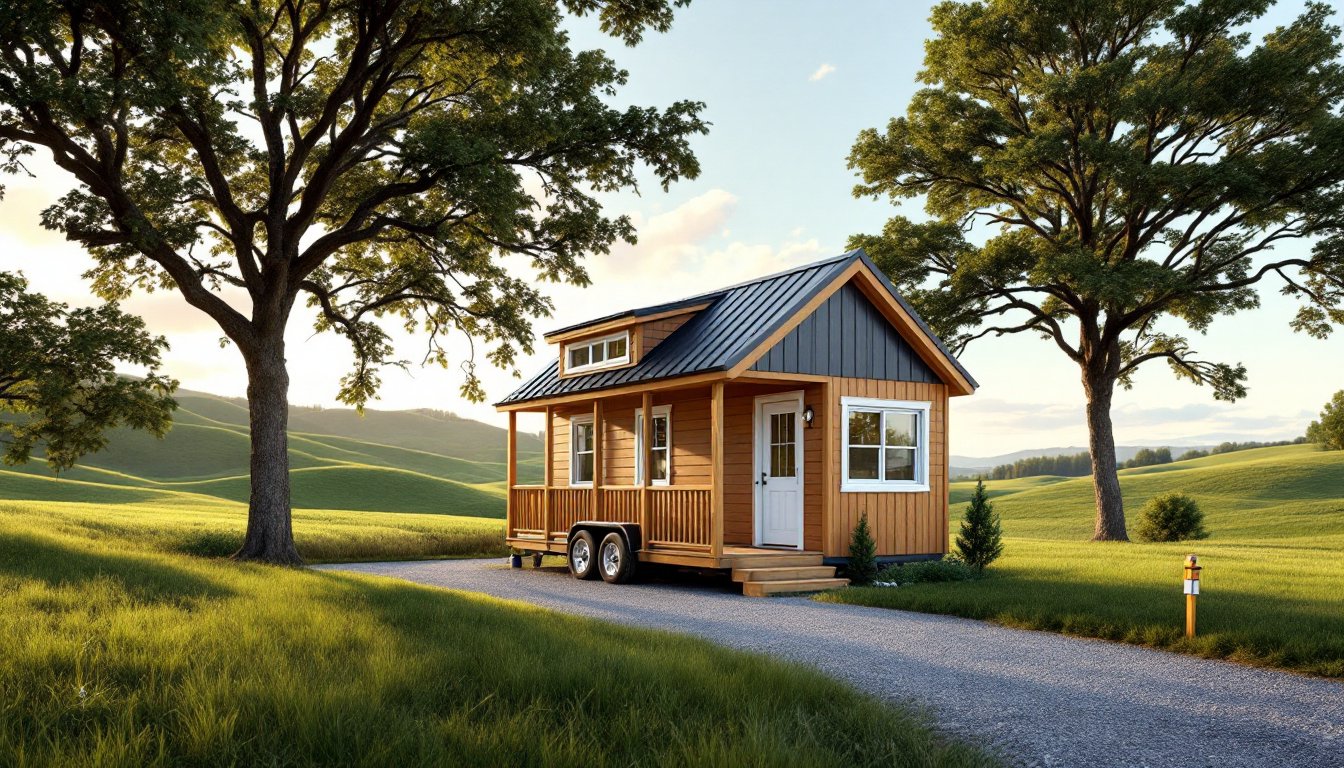
South Carolina’s booming tiny home movement is redefining what homeownership looks like in the Low Country. Whether you’re drawn by lower costs, sustainable living, or simply tired of maintaining excessive square footage, tiny homes in South Carolina offer a practical path forward. The state’s warm climate, affordable land, and increasingly friendly zoning regulations make it an ideal location for downsizers, first-time buyers, and those seeking an alternative lifestyle. This guide walks you through everything you need to know, from market trends to financing options to design strategies, so you can make an well-informed choice about whether a South Carolina tiny home is right for you.
Table of Contents
ToggleKey Takeaways
- Tiny homes in South Carolina offer an affordable path to homeownership with lower costs, mild climate, and reduced utilities compared to larger homes in other states.
- Zoning regulations vary significantly by county and municipality in South Carolina, so you must research local rules before purchasing land or a tiny home unit.
- Factory-built tiny homes in South Carolina typically cost $45,000–$85,000, while financing options include RV loans, USDA rural development loans, and construction-to-permanent mortgages designed for non-standard properties.
- Efficient design—vertical storage, open layouts, and multi-use furniture—is essential to making a tiny home feel spacious and genuinely livable in 300–600 square feet.
- Begin your tiny home journey by researching zoning, securing pre-approval from a tiny-home-friendly lender, and hiring a local real estate attorney to navigate potential legal and regulatory issues.
Why South Carolina Is Becoming a Tiny Home Hotspot
South Carolina’s appeal for tiny home living comes down to three factors: affordability, climate, and lifestyle. The state’s cost of living remains below the national average, making both land and construction labor more accessible than in coastal hotspots like North Carolina or Georgia. Winter is mild, no extensive foundation frost protection needed, and heating costs stay reasonable. The state’s growing population of remote workers has also fueled demand: people can relocate to South Carolina, buy a tiny home on a small parcel, and maintain their higher-paying out-of-state income.
Beyond economics, South Carolina’s culture celebrates practical living. Communities from the Upstate’s foothills to the Lowcountry’s marsh edges are accustomed to resourcefulness and making do with less. Tiny Homes for Beginners: A Complete Guide to Getting Started captures how newcomers are discovering what locals have always known: smaller homes mean lower property taxes, reduced utilities, and more freedom to invest in what matters. The state’s tourism and retiree populations also mean land is plentiful in many regions, and developers are increasingly willing to zone for small-lot residential properties.
The Tiny Home Market in South Carolina: Current Trends and Opportunities
The South Carolina tiny home market is splitting into two distinct segments: factory-built models (typically 300–600 square feet) and owner-built or custom designs. Factory-built units dominate affordability, a quality 2-bedroom tiny home runs $45,000–$85,000 before land and site prep. Custom builds, including renovation of vintage trailers or kit homes, range higher but allow for regional finishes and personal design choices.
Demand is strongest in secondary markets: Beaufort, Greenville, Charleston’s outskirts, and smaller towns along the Interstate 85 corridor. Primary drivers include millennials entering the market after years of renting, retirees downsizing from large family homes, and remote workers seeking a low-cost base. Tiny Home Ideas: Creative Designs for Small Space Living shows how innovative layouts turn 400 square feet into a genuinely livable space.
One opportunity often overlooked: accessory dwelling units (ADUs) on existing properties. Many South Carolina homeowners build a tiny home on their land for adult children, rental income, or aging parents. This trend is quieter but growing as families realize the financial and logistical benefits.
Zoning Laws and Regulations You Need to Know
This is where things get murky, and it’s critical to understand your jurisdiction before investing. South Carolina has no statewide tiny home definition or zoning standard, each county and municipality sets its own rules. Charleston allows ADUs on residential lots in some neighborhoods, but others cap lot divisions or minimum home sizes. Greenville County has more lenient codes for small homes than neighboring Anderson County.
Key regulations to research first:
- Minimum lot size: Many jurisdictions require 5,000–15,000 square feet: some zoned agricultural allow smaller parcels.
- Minimum home size: Some counties impose a 600–1,000 square foot minimum, effectively banning true tiny homes.
- Foundation requirements: Permanent foundations are standard: RV-style trailers or wheels are usually prohibited in residential zones.
- Setback and easement rules: Even on small lots, you must maintain distances from property lines and utility easements.
- Septic vs. municipal: Rural areas often require on-site septic (pricey to install and maintain): municipal sewer access is cheaper but limits location options.
Before buying land or a unit, hire a local real estate attorney or contact your county planning office directly. Zoning maps are available online, but interpretation varies. What’s allowed in one neighborhood may be forbidden in another, proximity to schools, flood zones, and historical districts all affect rules.
Affordable Financing Options for Tiny Homes
Financing a tiny home isn’t as straightforward as a traditional mortgage, but options exist. Most banks won’t finance a standalone tiny home under $50,000 or on land under 1 acre, so you’ll likely deal with one of these routes:
Personal Loans or Home Equity Lines: Fastest but highest interest rates (6–12%). Good for under-$75,000 purchases where speed matters.
RV or Chattel Loans: If your tiny home sits on wheels or is classified as personal property, RV lenders can finance it. Rates are higher (7–14%), and terms are shorter (15 years max), but approval is faster than mortgage underwriting.
Construction Loans + Permanent Financing: For custom builds, a construction-to-permanent loan funds the build phase, then converts to a standard mortgage. Requires solid credit and 20–25% down. How to Build a Tiny Home: A Beginner’s Guide covers cost planning in detail.
Rural Development Loans (USDA): If you’re buying in an unincorporated or rural area, the USDA may back a loan with minimal down payment (0–3%). Rates are competitive, but property must meet rural criteria.
Manufacturer Financing: Some factory-built tiny home producers (like Blokable or similar regional builders) offer direct financing with promotional rates. Read the fine print, prepayment penalties vary.
Save 15–20% down to reduce monthly payments and avoid private mortgage insurance (PMI). Work with a lender experienced in tiny homes: conventional mortgage brokers may drag their feet on non-standard properties.
Design and Layout Tips for Maximizing Your Tiny Home Space
A well-designed tiny home doesn’t feel small, it feels efficient. Essential Tiny Homes Tips for Comfortable Small-Space Living and resources like Southern Living’s home design guides both emphasize layout as the foundation.
Vertical Storage: Don’t hoard things: instead, build up. Floor-to-ceiling shelving, wall-mounted desks, and lofted sleeping areas reclaim floor space. In a 400-square-foot home, every vertical inch counts.
Open Concept with Defined Zones: Knock down walls between kitchen, dining, and living areas, but use area rugs, partial dividers, or a change in flooring to define spaces. Your eye reads “rooms” even if they’re not walled off.
Multi-Use Furniture: A bed with drawers underneath, a kitchen island that doubles as a dining table, a murphy desk that folds up, these aren’t trendy: they’re essential. Apartment Therapy’s small space solutions offers solid inspiration here.
Natural Light and Color: Large windows, skylights, and light interior colors make spaces feel larger. South Carolina’s sun is an asset, use it.
Minimize Hallways: Every hallway is wasted square footage. Cluster bedrooms, bathrooms, and utilities to reduce corridor length.
Oversized Entries and Patios: A generous porch or deck extends your living space and makes the home feel less cramped. South Carolina’s mild weather means outdoor living works 9 months of the year.
These aren’t decoration tips, they’re functional design that directly affects livability.
Getting Started: Steps to Finding and Buying Your South Carolina Tiny Home
Step 1: Research Zoning and Pick a Region
Decide between a prepared tiny home community, raw land, or ADU placement on existing property. Pull zoning maps for your target county. Call the planning office and ask directly: “Can I put a 300-square-foot home on a 0.25-acre lot?” Write down the answer.
Step 2: Get Pre-Approved for Financing
Talk to lenders now, not after you’ve found a property. Tiny home financing is non-standard: some banks will say no outright. Find one that says yes and understand your borrowing power.
Step 3: Tour Existing Tiny Homes
Visit completed homes in your target area. Walk through a 400-square-foot model and ask owners what surprised them, storage challenges, layout quirks, resale appeal. Tiny Homes Strategies: Smart Approaches to Small Space Living covers these real-world considerations.
Step 4: Hire a Local Real Estate Attorney
Non-negotiable. A $500–$1,500 legal review upfront saves you from zoning disasters, boundary disputes, or title issues later. They’ll also clarify whether your purchase qualifies as real property (better for resale) or personal property (affects loans and taxes).
Step 5: Negotiate Land and Build/Purchase Terms
If custom-building, get a detailed contract spelling out materials, timelines, and contingencies. Essential Tiny Homes Tools for Building and Maintenance helps you evaluate quality. If buying pre-built, inspect for structural issues, water damage, and systems (HVAC, plumbing, electrical).
Step 6: Plan for Utilities and Site Prep
Budget $5,000–$15,000 for site prep: grading, driveway, utilities hookup, and septic or sewer connection. These aren’t optional and vary wildly by location. Get quotes from local contractors early.
Conclusion
Tiny homes in South Carolina are more than a trend, they’re a practical response to rising housing costs, environmental concerns, and a desire for simpler living. The state’s favorable climate, affordable land, and increasingly supportive local policies create real opportunity for those willing to think differently about home. Success requires assignments: understand your local zoning, secure financing early, and design thoughtfully. The payoff is a paid-off home, lower utility bills, and the freedom to invest in experiences rather than square footage.