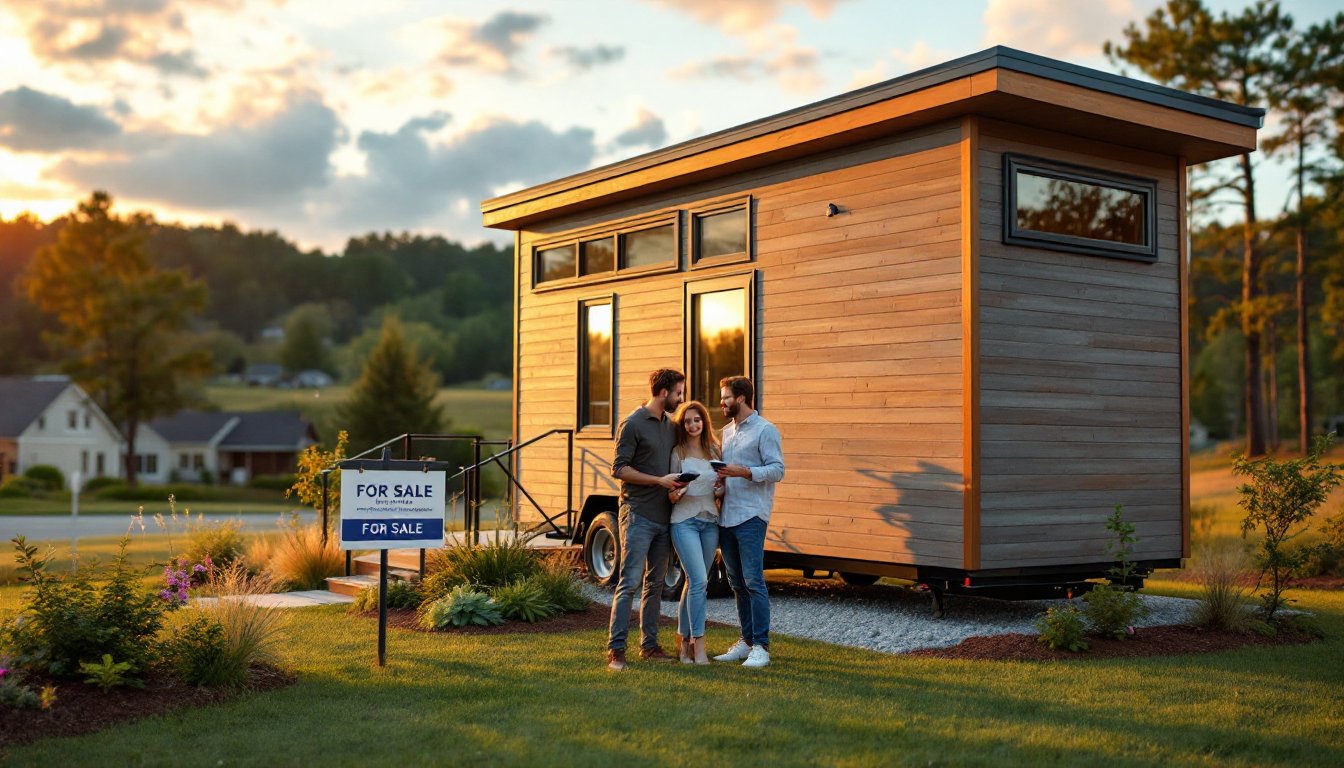
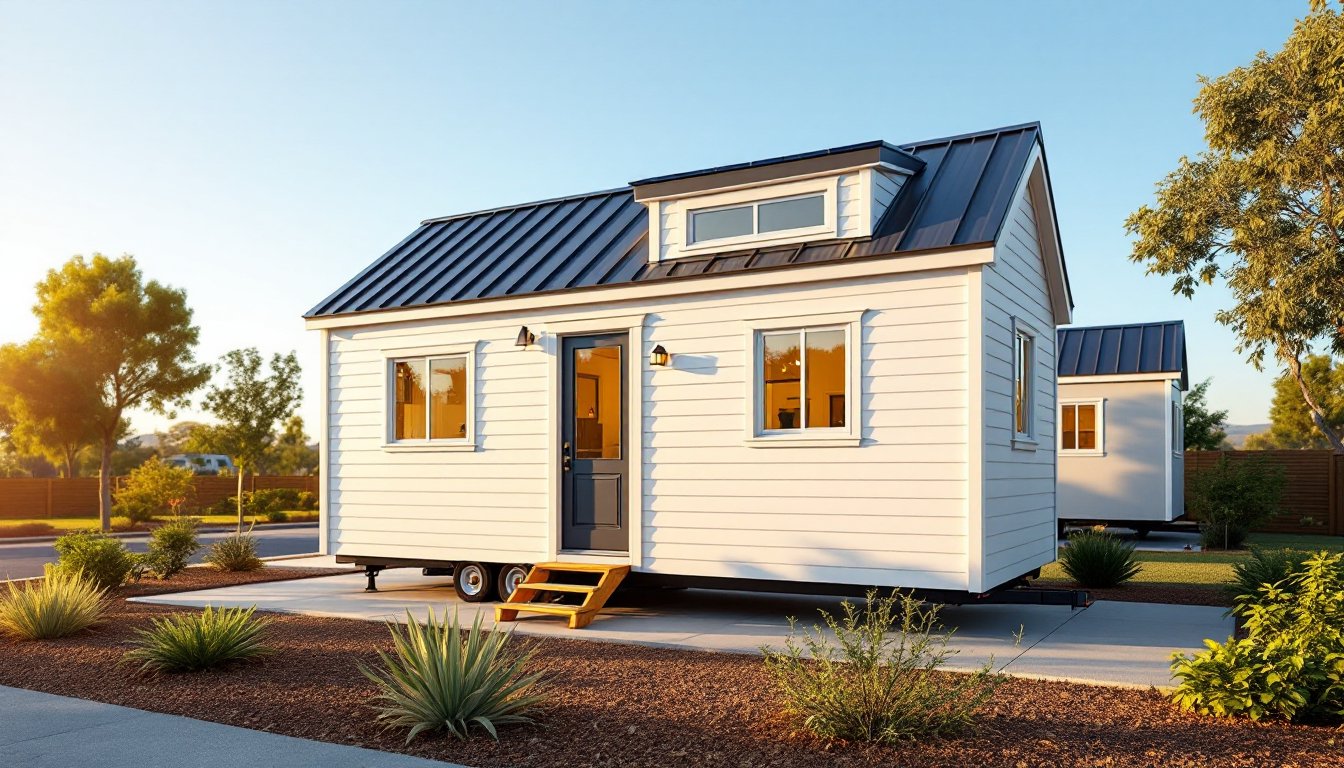
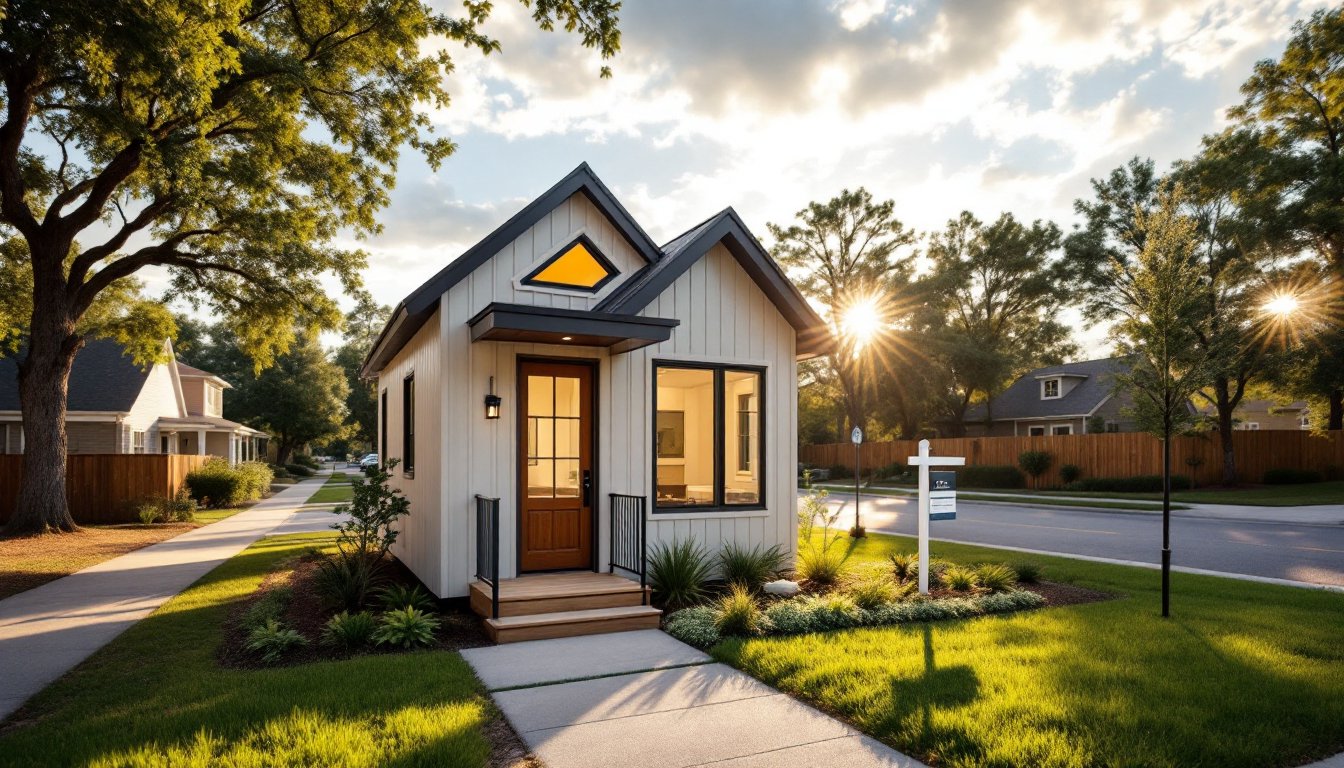
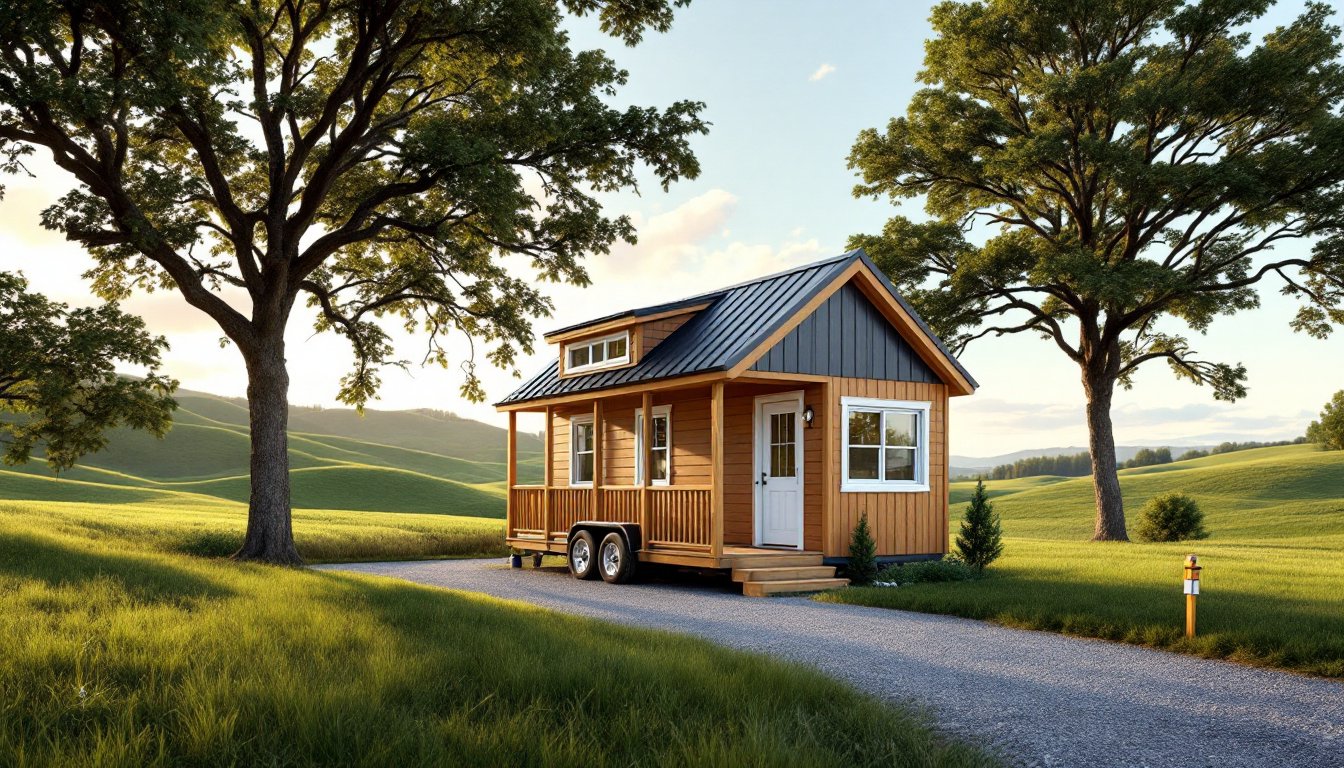
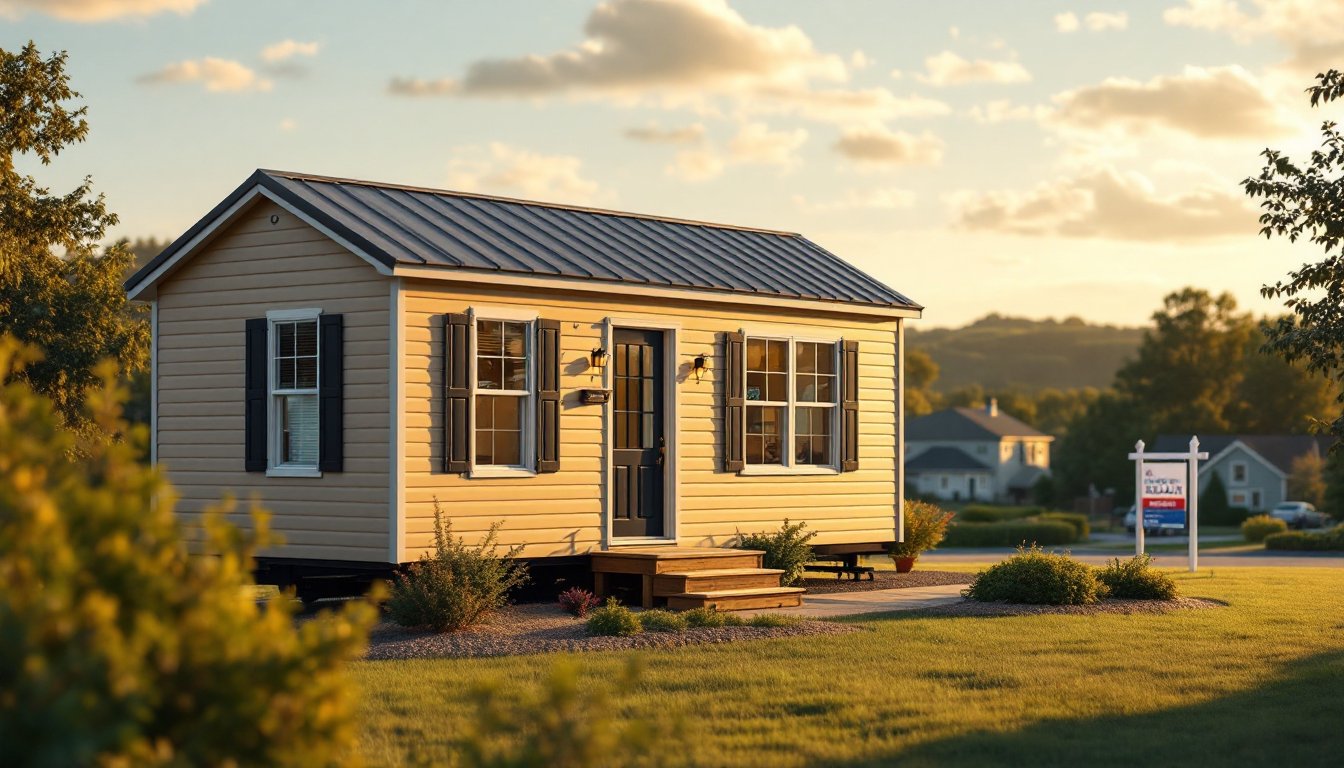
Minnesota’s housing market is shifting. As property taxes climb and urban sprawl eats into commute times, more residents are asking whether they really need 2,000 square feet. Tiny homes in Minnesota offer a compelling answer, lower costs, easier maintenance, and genuine financial freedom. Whether you’re eyeing a compact cabin in the north woods or a modular unit near the Twin Cities, this guide covers everything from zoning regulations to design strategies tailored for Minnesota’s harsh winters. Downsizing isn’t about sacrifice: it’s about intentional living in a place that demands efficiency.
Table of Contents
ToggleKey Takeaways
- Tiny homes in Minnesota cost $50,000–$150,000 versus $350,000+ for conventional houses, with property taxes and heating bills that shrink accordingly, making homeownership achievable for middle-income families.
- Zoning regulations vary significantly across Minnesota—Minneapolis allows 400–600 square feet, but rules differ in rural areas and northern lakes regions, so contact your city’s planning department directly for written zoning confirmation before purchasing.
- Essential design strategies for Minnesota tiny homes include vertical storage, multifunctional furniture, continuous flooring, mirrors, and color palettes that enhance warmth; invest in high-efficiency HVAC systems, triple-glazed windows, and insulation rated R-40 walls minimum to survive harsh winters.
- Financing tiny homes in Minnesota requires non-traditional lenders like credit unions or CDFIs since conventional banks rarely approve mortgages for structures under $50,000; clarify whether your tiny home will be taxed as real property or mobile property with your county assessor.
- Minnesota’s land availability remains a key advantage—rural parcels cost $20,000–$80,000 compared to $100,000+ in coastal states, allowing total ownership with no mortgage when combined with a compact footprint.
Why Tiny Homes Are Gaining Popularity in Minnesota
Minnesota homeowners are drawn to tiny homes for hard financial reasons, not lifestyle trends. A typical tiny home costs $50,000 to $150,000 versus $350,000+ for a conventional Minnesota house. Property taxes shrink accordingly. Heating bills drop because you’re conditioning less square footage, critical in a state where winter lasts five months.
The appeal extends beyond economics. Young professionals, retirees, and empty-nesters all find tiny homes practical. They reduce maintenance burden: no massive roof to reroof, no sprawling yard to maintain. Some build tiny homes as accessory dwelling units (ADUs) on existing property, creating rental income or housing for aging parents. Others buy prefabricated models and place them on land they already own, bypassing years of construction.
Minnesota’s land availability helps too. Unlike coastal states where lots cost $100,000+, rural Minnesota parcels remain affordable. Combine cheap land with a compact footprint, and you’re looking at total ownership under $200,000 with no mortgage. That’s achievable for middle-income families, something traditional homeownership rarely is anymore.
Essential Tiny Homes Tips highlight how residents maximize every square inch, turning perceived limitations into advantages. The movement reflects broader skepticism of over-consumption and a genuine desire to redirect money toward experiences, debt payoff, or early retirement rather than square footage.
Zoning Laws and Regulations for Tiny Homes Across Minnesota
Here’s where tiny homes hit friction in Minnesota. Zoning codes were written for conventional houses on conventional lots, not 240-square-foot structures. Most cities specify minimum house sizes (often 800–1,200 square feet) or minimum lot sizes (typically 7,500–10,000 square feet) that tiny homes violate. Some ordinances ban mobile or modular homes outright.
The good news: this is shifting. Minneapolis eliminated single-family zoning in 2019, allowing duplexes and triplexes citywide. Saint Paul and a dozen smaller cities have followed suit or softened tiny home restrictions. Hennepin County townships are approving ADUs. But rules remain fragmented, what’s legal in Minneapolis may be banned five miles north in Golden Valley.
Understanding Local Ordinances by Region
Minneapolis-St. Paul metro: Most allow 400–600 square feet minimum if it’s a primary residence or ADU. Mobile and modular units face fewer restrictions than they did five years ago. Check specific city codes: some cap ADU rent (affecting investment returns).
Rural Minnesota: Counties and townships have final say. Some encourage tiny homes as workforce housing: others don’t regulate them provided they’re on private land with adequate septic and well systems (subject to health department approval).
Northern Minnesota lakes region: Shoreline-adjacent lots often have stricter minimum square footage rules tied to historic preservation. Inland properties are more flexible.
Before buying land or ordering a tiny home, contact your city’s planning department directly, not a real estate agent. Get zoning confirmation in writing. Tiny Homes Strategies: Smart Approaches to Small Space Living explain how to navigate regulatory hurdles, including when to hire a zoning attorney (usually $500–$2,000 upfront, but worth it to avoid placing a $100,000 structure in a non-compliant location).
Finding and Purchasing Tiny Homes in Minnesota
Buying a tiny home in Minnesota has three pathways: purchase a completed unit locally, order a prefab model, or build custom.
Local inventory: Very small. Minnesota has a handful of tiny home dealers and builders. Searching “tiny house for sale MN” yields maybe 5–15 listings at any given time, mostly hand-built or semi-custom units in rural areas or hobby builders’ lots. Prices range widely ($40,000 for basic used trailers to $200,000+ for new, turnkey models).
Prefab manufacturers: Companies like Tumbleweed, Mint, and Liberation Tiny Homes ship nationally. Most are 8-16 weeks production plus shipping. Budget $1,500–$3,000 shipping from Oregon or North Carolina to Minnesota. These offer design consistency and warranty. Quality varies: read reviews and inspect prototypes before committing $80,000+.
Custom builds: Local contractors can frame a tiny home for $150–$250 per square foot (all-in labor and materials). That’s $36,000–$60,000 for a 240-square-foot shell, plus foundations, utilities, and interior finishes. Timeline: 6–12 months. Best for those with specific climate or aesthetic demands.
When evaluating listings, inspect the HVAC system closely, Minnesota winters are merciless. Tiny homes need either high-efficiency propane heaters, mini-split heat pumps (growing popular), or passive solar design. Insulation values matter: aim for R-40 walls and R-60 ceiling minimum in Minnesota. Tiny Homes Techniques: Essential Building Methods detail proper moisture barriers, preventing condensation buildup inside walls during freeze-thaw cycles, a common cause of hidden mold.
Design and Interior Tips for Minnesota Tiny Spaces
Tiny doesn’t mean cramped if you think strategically. Minnesota’s compact living community leans on vertical storage, multifunctional furniture, and careful color palettes.
Light colors and mirrors expand perceived space. A ceiling painted matte white (not glossy) absorbs rather than reflects, reducing harsh glare in spaces where you can’t hide light sources. Invest in good task lighting over the kitchen and bedside, ambient overhead lights cheapen the feel.
Furniture should nest or transform: murphy beds, drop-leaf tables, sectionals with storage underneath. Avoid bulky dressers: install floor-to-ceiling built-in shelving instead. One quality piece beats five cheap ones.
Floor material choice matters more in tiny homes. Continuous flooring (e.g., polished concrete, wide-plank vinyl, or real hardwood) unifies the space visually, making it feel larger. Rugs define zones without walls. A 5×8 rug anchors a living area: a 3×5 defines a bedroom nook.
Maximizing Warmth and Storage in Cold Climates
Minnesota winters demand dual focus: insulation and psychological warmth.
Storage is non-negotiable. Dead space between studs becomes shelving. Sloped ceilings (common in tiny homes) house built-in drawers underneath. Closets expand vertically with double-hanging rods, shelf dividers, and vacuum-seal bags. Most tiny dwellers remove one wall-mounted TV and gain 80 cubic feet of shelving in exchange.
For actual warmth, layering is your friend. Thick insulation, triple-glazed windows, and weatherstripping reduce heating load. Many Minnesota tiny home owners add radiant floor heating in bathrooms and kitchens (electric mats under tile, around $1,500–$3,000 installed). It’s luxurious and energy-efficient for small spaces.
Color psychology works here. Deep blues, warm grays, and natural wood tones feel cozier than clinical whites, particularly important in spaces where you’ll spend six months of semi-darkness. Tiny Home Ideas: Creative Designs for Small Space Living showcase Minnesota-specific layouts with fireplaces, wood elements, and thermal mass (exposed concrete or brick) that absorb and radiate heat during extended cold snaps.
Textiles matter too. Quality bedding, wool area rugs, and heavy curtains aren’t luxury, they’re survival gear in Minnesota. They insulate, reduce condensation, and make a 240-square-foot space feel intentional rather than temporary.
Cost Considerations and Financing Your Minnesota Tiny Home
Total costs break into categories: land, structure, site work, and furnishings.
Land: $20,000–$80,000 for rural Minnesota parcels: $50,000–$150,000 near metro areas. Buildable land with access roads and utilities costs more. Always verify septic/well feasibility ($3,000–$8,000 to install if not present).
Structure: $40,000–$200,000 depending on new vs. used, prefab vs. custom, and finish level. A basic wood-frame tiny home with standard fixtures runs $100,000–$130,000 all-in. High-end custom builds with solar, premium finishes, and metal exteriors can exceed $180,000.
Site prep and foundation: $5,000–$20,000. Grading, driveway, electrical hookup, and foundation (concrete slab, piers, or trailer frame) vary by location and soil conditions. Minnesota’s frost line runs 42–48 inches deep, so foundations must account for freeze-thaw cycles.
Financing is the tricky part. Conventional mortgages rarely finance tiny homes under $50,000 or structures on wheels. Banks consider them mobile homes (higher risk). Options include personal loans (6–12% interest, $25,000–$50,000 typical), home equity lines of credit (if you own land), RV loans (if the tiny home is built on a trailer frame), or construction loans during building phase.
Some Minnesotans finance through non-traditional lenders: credit unions, community development financial institutions (CDFIs), or builders themselves. Interest rates run 1–2% higher than conventional mortgages, but approval is faster and requirements more flexible.
Tax implications: Tiny homes on permanent foundations in Minnesota are typically assessed as real property (lower taxes than mobile homes). On wheels or not properly permitted? You may face personal property taxation or be taxed as a mobile home (higher rates). Clarify this with your county assessor before purchasing. Tiny Homes Trends 2026: What to Expect in Compact Living note that financing options are expanding as lenders recognize this market’s stability. Insurance runs $400–$800 annually for a standard tiny home, versus $1,200–$1,800 for conventional houses, a recurring win for the budget-conscious.