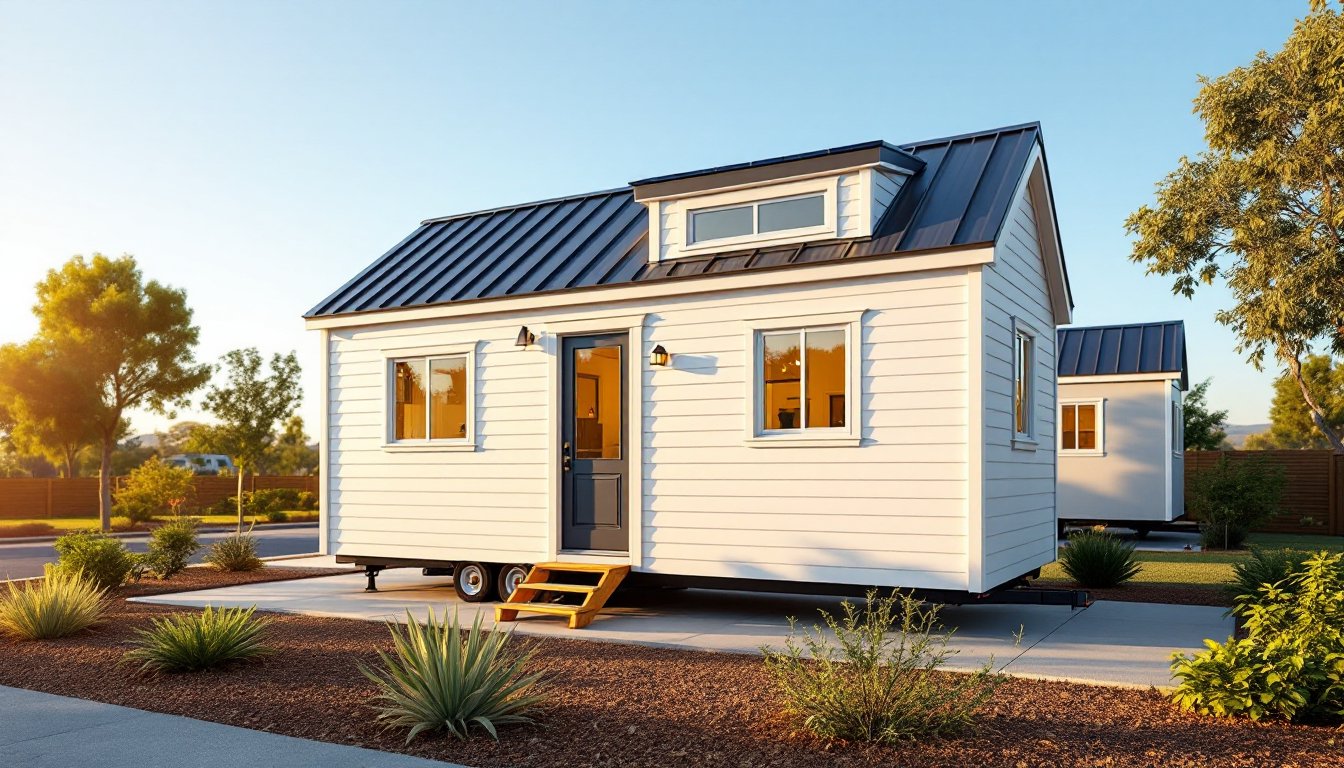
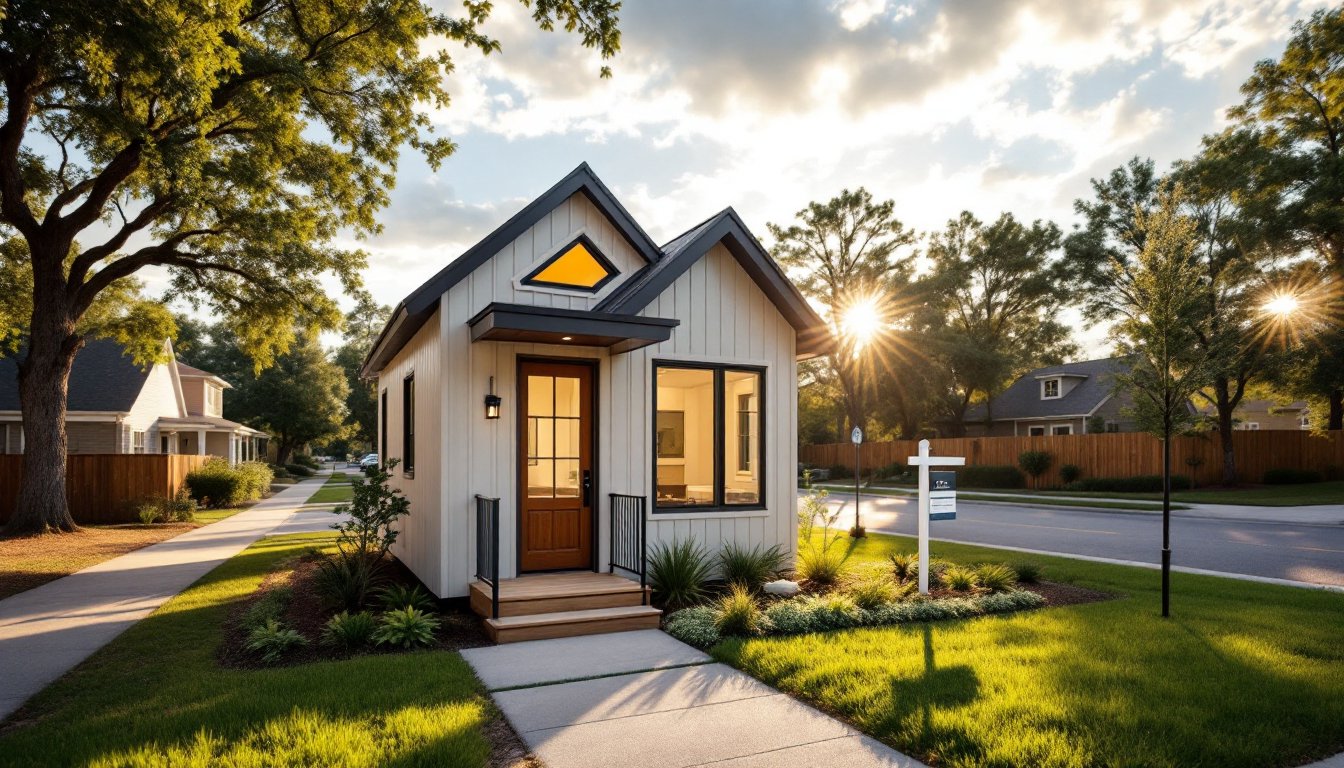
FHA loans ideas can open doors for buyers who thought homeownership was out of reach. These government-backed mortgages offer lower down payments, flexible credit requirements, and competitive interest rates. First-time homebuyers often overlook the creative ways they can use FHA loans to their advantage. This guide covers qualification basics, smart strategies, and pitfalls to avoid so buyers can make informed decisions about their home purchase.
Table of Contents
ToggleKey Takeaways
- FHA loans require as little as 3.5% down for buyers with credit scores of 580 or higher, making homeownership more accessible.
- House hacking with multi-unit properties is one of the smartest FHA loans ideas—live in one unit and rent the others to offset your mortgage.
- FHA 203(k) loans let buyers finance both the purchase price and renovation costs in a single mortgage, ideal for fixer-uppers.
- Sellers can contribute up to 6% of the purchase price toward closing costs on FHA loans, reducing your out-of-pocket expenses.
- Always shop multiple lenders and compare rates, fees, and closing costs to save thousands over your loan term.
- Avoid large purchases or new credit accounts between pre-approval and closing to protect your loan approval.
What Is an FHA Loan and Who Qualifies
An FHA loan is a mortgage insured by the Federal Housing Administration. The government doesn’t lend money directly. Instead, it backs loans from approved lenders, which reduces risk and makes financing accessible to more buyers.
FHA loans require a minimum credit score of 500. Buyers with scores between 500 and 579 need a 10% down payment. Those with scores of 580 or higher qualify for the 3.5% down payment option. This flexibility makes FHA loans popular among first-time buyers and those rebuilding credit.
Income and Debt Requirements
Lenders examine debt-to-income ratios carefully. Most FHA loans require a front-end ratio (housing costs divided by gross income) of 31% or less. The back-end ratio (total monthly debts divided by gross income) typically shouldn’t exceed 43%. But, some lenders approve ratios up to 50% for borrowers with strong compensating factors like cash reserves or a history of on-time rent payments.
Property Standards
FHA loans come with property requirements too. The home must serve as the buyer’s primary residence. It also needs to meet minimum safety and livability standards set by the Department of Housing and Urban Development. An FHA-approved appraiser inspects the property before closing to verify it meets these conditions.
Buyers should know that FHA loans aren’t just for single-family homes. They can purchase duplexes, triplexes, or four-unit properties, as long as they live in one unit.
Creative Ways to Use FHA Loans
FHA loans ideas extend beyond standard home purchases. Smart buyers find creative applications that build wealth and reduce costs.
House Hacking With Multi-Unit Properties
One of the best FHA loans ideas involves buying a multi-family property. A buyer purchases a duplex, triplex, or fourplex with just 3.5% down, lives in one unit, and rents the others. Rental income often covers most or all of the mortgage payment. This strategy works well in cities where rent prices are high.
For example, a buyer purchases a triplex for $400,000 with $14,000 down. They live in one unit and rent the other two for $1,200 each. That’s $2,400 monthly toward a mortgage that might cost $2,800. The buyer effectively lives for $400 per month while building equity.
FHA 203(k) Rehabilitation Loans
Buyers interested in fixer-uppers should explore FHA 203(k) loans. This program rolls purchase price and renovation costs into one mortgage. It’s one of the smartest FHA loans ideas for buyers in competitive markets where move-in-ready homes sell fast.
The Standard 203(k) covers major renovations like structural repairs, room additions, and system replacements. The Limited 203(k) handles smaller projects up to $35,000, such as kitchen updates or new flooring. Both options let buyers customize homes to their needs without separate construction financing.
Assumable Mortgage Benefits
FHA loans are assumable. This means a future buyer can take over the existing mortgage terms. If interest rates rise significantly, an assumable FHA loan at a lower rate becomes a valuable selling point. Sellers with FHA loans may attract more buyers and command higher prices because of this feature.
Tips for Maximizing Your FHA Loan Benefits
Getting approved is just the first step. These FHA loans ideas help buyers squeeze every advantage from their mortgage.
Shop Multiple Lenders
FHA loan rates and fees vary between lenders. A buyer who gets quotes from three to five lenders can save thousands over the loan term. Don’t just compare interest rates, look at origination fees, discount points, and closing costs too.
Consider Seller Concessions
FHA loans allow sellers to contribute up to 6% of the purchase price toward closing costs. Buyers should negotiate for these concessions, especially in buyer-friendly markets. A $300,000 home could include $18,000 in seller-paid closing costs, which dramatically reduces out-of-pocket expenses.
Plan for MIP Removal
Mortgage insurance premiums (MIP) add to monthly payments. Current FHA loans with less than 10% down require MIP for the loan’s entire life. But, buyers can refinance into a conventional loan once they reach 20% equity and have a credit score of 620 or higher. This eliminates MIP and often lowers the interest rate.
Use Gift Funds Strategically
FHA loans accept gift funds for down payments and closing costs. Family members, employers, and charitable organizations can contribute. Buyers should coordinate gift timing carefully, lenders need documentation showing the funds came from an acceptable source.
Common Mistakes to Avoid With FHA Loans
Even the best FHA loans ideas fail when buyers make preventable errors.
Ignoring Loan Limits
FHA loan limits vary by county and property type. In 2024, limits range from $498,257 in lower-cost areas to $1,149,825 in high-cost markets. Buyers who fall in love with homes above their area’s limit face disappointment. Check local limits before house hunting begins.
Skipping the Pre-Approval Process
Some buyers start shopping without pre-approval. This wastes time on homes they can’t afford and weakens their offers. Sellers prefer buyers with pre-approval letters because they’re more likely to close successfully.
Overlooking Condition Requirements
FHA appraisers flag safety issues that conventional appraisers might ignore. Peeling paint, broken windows, and faulty electrical systems can delay or kill a deal. Buyers should walk properties carefully before making offers and budget for repairs the seller won’t fix.
Making Large Purchases Before Closing
Lenders verify employment and finances right before closing. Buyers who finance cars, open new credit cards, or make large purchases can see their approval withdrawn. Keep financial activity minimal between pre-approval and closing day.
Forgetting About Reserves
FHA loans don’t require cash reserves for single-family homes, but having them helps. Unexpected repairs happen. Buyers who drain their savings for down payments may struggle when the water heater fails or the roof leaks.